


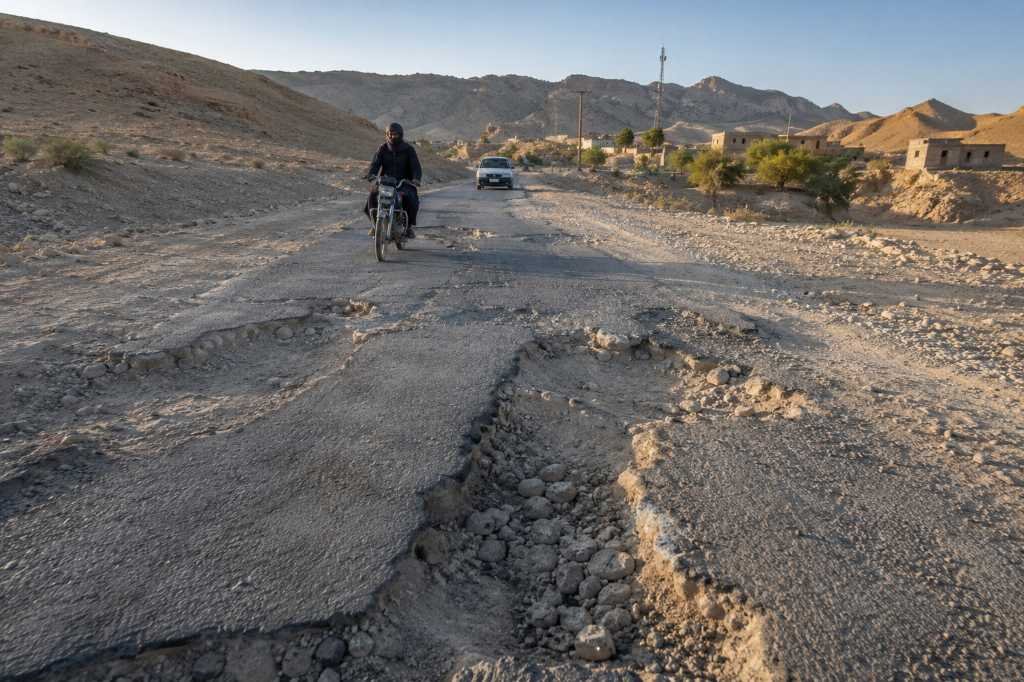
Roads are not merely strips of asphalt; they are lifelines connecting people with hospitals, schools, markets and economic opportunities. Unfortunately, the poor condition of roads in District Tump has become a serious obstacle to public safety, mobility and development.
Many roads in District Tump were constructed years ago and are now badly damaged. Some were apparently built without proper planning or quality materials. Consequently, broken surfaces, deep potholes and uneven sections make everyday travel difficult and dangerous.
During the rainy season, the situation becomes even worse. Water fills the potholes, while unpaved sections become muddy and difficult to cross. This increases the likelihood of accidents, particularly involving motorcycles and public transport vehicles.
Tump-Balicha road needs urgent repairs
The road from Tump to Balicha is among the clearest examples of neglect. It is full of potholes and causes serious difficulties for motorists, motorcyclists and public transport operators.
Similarly, the road from Balicha towards the Mand border is in extremely poor condition. Travelling on this route is uncomfortable in normal weather and potentially dangerous during rainfall. People may also struggle to reach their destinations on time because vehicles must travel slowly to avoid potholes and damaged sections.
These poor road conditions affect almost every section of society. Students, patients, farmers, traders and daily commuters all experience difficulties because of the damaged road network.
Patients and students face serious difficulties
Patients struggle to reach hospitals and healthcare centres, particularly during emergencies when every minute matters. A badly damaged road can turn a manageable medical emergency into a tragedy by delaying access to treatment.
Students also face considerable difficulties while travelling to schools and colleges. Their journeys become longer, more tiring and less safe. Transport breakdowns and interruptions can affect attendance and, ultimately, educational outcomes.
Moreover, damaged roads place an additional financial burden on families. Motorcycles, cars, buses and other vehicles require frequent repairs because of rough surfaces and deep potholes. For people with limited incomes, these expenses can be difficult to afford.
Poor roads affect farmers and traders
The condition of roads in District Tump also affects agriculture and local trade. Farmers cannot transport vegetables, fruits and other products to markets safely and on time.
Delays may cause fresh produce to deteriorate, reducing farmers’ earnings and increasing transportation costs. Therefore, poor roads do not cause inconvenience alone; they also restrict business activity and hold back the district’s economic potential.
The people of Tump are hardworking and deserve access to the same basic facilities available in other parts of the province. Better roads would improve access to education and healthcare while supporting agriculture, trade and employment.
Government must prepare a comprehensive plan
The Government of Balochistan and the relevant authorities should prepare a comprehensive plan for the reconstruction and rehabilitation of all major roads in District Tump. Particular attention should be given to the routes connecting Tump, Balicha and the Mand border.
However, reconstruction alone will not solve the problem. Contractors must use high-quality materials, while the authorities should closely monitor construction work. This would ensure that newly built roads remain usable for many years.
The government should also establish a regular inspection and maintenance system. Repairing minor damage promptly is easier and less costly than reconstructing an entire road after years of neglect.
Moreover, local residents should be given a platform to report damaged sections and dangerous potholes. Greater transparency regarding project budgets, contractors and completion deadlines would also improve accountability and public confidence.
Improving roads in District Tump could transform the lives of local people. Reliable roads would reduce travelling time, improve access to essential services, lower vehicle-repair costs and create new opportunities for farmers, traders and young people.
The provincial government and concerned officials must recognise the urgency of the situation and act without further delay. Improving the district’s roads is not a luxury; it is an essential investment in the safety, dignity and future of Tump’s people.