
Home Blog Page 43

Jalalpur Canal to irrigate 174,000 acres of arid land in Jhelum, Khushab

0

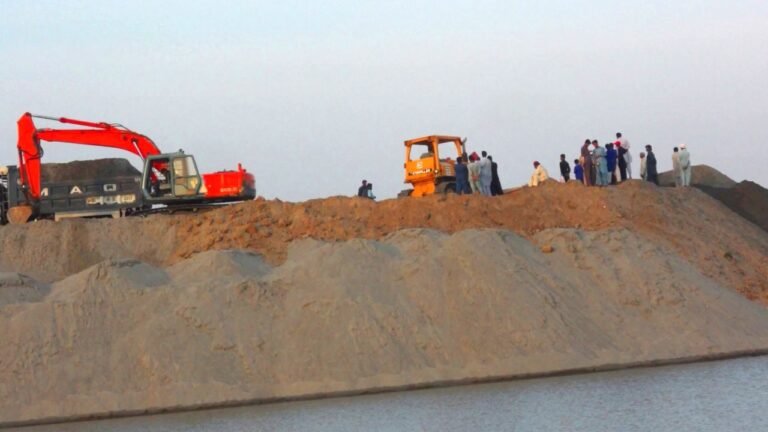
LAHORE, Feb 24 (ABC): The Jalalpur Irrigation Project, widely known as the Jalalpur Canal, will be completed by December 2027. The project will benefit about 384,000 people in 80 villages of Jhelum and Khushab districts.

The Jalalpur Canal will divert water from the Jhelum River to irrigate barren land in the tehsils of Pind Dadan Khan and Khushab. The canal lies along the right bank of the Jhelum River. It is a seasonal irrigation system that will operate from April to October.

The project includes an intake structure, a 117-kilometre main canal, 23 distributaries, and 10 minor canals. The total network will stretch over 210 kilometres. Authorities will also construct 485 tertiary-level watercourses and related infrastructure.

“The waters in the canal will irrigate 174,000 acres in the districts of Jhelum and Khushab, lying in the arid zone,” said Engr Waheed Ashraf, Project Director of the Jalalpur Irrigation Project.

He told Wealth Pakistan that authorities laid the foundation stone in December 2019. After completion, the Jalalpur Canal will increase Kharif crop intensity by 50 percent. The Asian Development Bank is financing the project. Officials expect it to enhance agricultural productivity in the region.

The concept of the Jalalpur Canal dates back to 1898. Engineers kept provisions for a future canal during the construction of the Rasul Barrage between 1898 and 1901. They maintained the same provisions during the barrage’s reconstruction in 1967 under the Indus Waters Treaty framework.

Planners also incorporated the canal into infrastructure planning during the construction of the Lahore-Islamabad Motorway. They provided a crossing near the Lillah Interchange.

Authorities conducted the first feasibility study in 1992-93 and updated it in 2010. They carried out a fresh feasibility assessment from March 2014 to November 2015. A topographic survey followed in 2016.

Water experts believe the Jalalpur Canal will transform the region. In addition to supplying irrigation water, it will improve groundwater quality. At present, groundwater remains brackish due to the area’s proximity to the Salt Range.

“The level of water will rise because of the canal and the area will become fertile,” Dr Ghulam Zakir Hassan Sial, Director of the Irrigation Research Institute (IRI), Punjab, told Wealth Pakistan. He said canal water will recharge and improve the aquifer, which is currently saline.

Pind Dadan Khan tehsil lies between the Salt Range and the Jhelum River. The area has long faced salinity and brackish flash floods from the salt-rich hills. High natural salt concentrations have damaged thousands of acres of farmland. Residents also face serious drinking water shortages due to saline subsoil water.

Experts say surface water from the Jalalpur Canal will boost agricultural output and improve living standards. By turning a rain-dependent area into an irrigated agricultural zone, the canal will support socio-economic uplift in Jhelum and Khushab.


Govt plans Rs39.76m project to train 3,920 workers in OSH

0

ISLAMABAD, Feb 23 (ABC): The Ministry of Overseas Pakistanis and Human Resource Development has proposed a Rs39.76 million project to train 3,920 workers in occupational safety and health (OSH), aiming to improve workplace standards in high-risk and export-oriented sectors.

According to official documents available with Wealth Pakistan, the project titled “Capacity Building of Workers/Employees Regarding Occupational Safety and Health” will run from July 2026 to June 2028.

3,920 workers to receive OSH training

The ministry plans to provide structured OSH training to 3,920 workers and employees working in high-risk industries. It will also prepare six master trainers through Training of Trainers (ToT) sessions to ensure continuity of the programme.

Officials say the project will help reduce workplace accidents and improve compliance with national and international safety standards. As part of the initiative, authorities will conduct 30 workplace inspections and safety audits during the two-year period.

The ministry has identified construction and infrastructure, health services, food, drink and tobacco industries, oil and gas production and refining, basic metal production, and brick kilns as priority sectors. These sectors face higher occupational risks and contribute significantly to export activity.

Focus on accident prevention and compliance

The document highlights workplace accidents, weak safety awareness, and limited institutional capacity as key challenges. The proposed project seeks to address these gaps through structured training, awareness campaigns, and institutional strengthening.

The ministry will develop standardized OSH curricula and training materials for consistent delivery. It will also organize seminars and workshops to promote safety awareness among employers and workers.

The initiative includes digital outreach activities to disseminate safety guidelines and best practices. Training modules will also cover emergency preparedness, incident reporting, and mental health awareness.

Economic and international significance

Officials expect the project to deliver economic and social benefits. Improved occupational safety can reduce workplace injuries and occupational diseases. It can also increase productivity and lower compensation and insurance costs for employers.

The initiative supports Pakistan’s commitments under International Labour Organization (ILO) Conventions No. 155 and 187 on occupational safety and health. It also strengthens compliance with labour-related obligations under the European Union’s GSP+ scheme, which covers a significant share of Pakistan’s exports.

By improving OSH standards in export-oriented sectors, the government aims to enhance worker protection and reinforce international confidence in Pakistan’s labour practices.

Ministry proposes LMRC to boost overseas employment planning

0

ISLAMABAD, Feb 22 (ABC): The Ministry of Overseas Pakistanis and Human Resource Development (OP&HRD) has proposed establishing a Labour Market Research Cell (LMRC) to strengthen evidence-based policymaking in labour migration and employment planning.

According to official documents available with Wealth Pakistan, the ministry plans to set up the LMRC as a centralized, secure, and scalable IT-based Labour Market Information and Analytics Hub. The proposal carries an indicative budget of Rs425 million for a two-year period from July 2026 to June 2028.

Centralized labour market intelligence hub

The Ministry of Overseas Pakistanis and Human Resource Development will sponsor the project, while the ministry and its allied entities will execute it. These entities include the Bureau of Emigration and Overseas Employment (BE&OE), Overseas Employment Corporation (OEC), and Overseas Pakistanis Foundation (OPF).

The document notes that Pakistan’s labour migration landscape involves multiple federal and provincial institutions, regulatory bodies, financial institutions, private sector actors, and international organizations. As a result, data often remains fragmented across departments.

Key stakeholders include OP&HRD, BE&OE, OEC, OPF, Federal Investigation Agency (FIA), Directorate General of Immigration and Passports (DGIP), State Bank of Pakistan (SBP), Pakistan Bureau of Statistics (PBS), National Vocational and Technical Training Commission (NAVTTC), and provincial Technical Education and Vocational Training Authorities (TEVTAs).

Within this ecosystem, the LMRC will act as a central analytical and intelligence layer rather than an operational body. Specifically, it will consolidate and analyze data generated across institutions and convert it into policy-relevant labour market intelligence.

Data integration and analytical outputs

Under the proposed structure, the LMRC will integrate emigration and overseas employment data with macroeconomic indicators and labour force statistics. In addition, it will incorporate return migration data, border movement records, remittance and investment account information, household and labour force surveys, SDG-related indicators, job-matching platform data, and datasets from relevant international organizations.

Consequently, the cell will generate analytical outputs on labour supply and demand trends, destination- and sector-specific skills demand, skills gap assessments, wage patterns, employer profiles, recruitment practices, and reintegration trends.

These insights will support bilateral labour negotiations, skills development planning, migrant protection strategies, employer engagement frameworks, and parliamentary oversight.

IT infrastructure and budget allocation

The indicative budget of Rs425 million covers both one-time capital expenditures and recurring annual costs over two years.

One-time costs include system design, architecture development, hardware procurement, infrastructure setup, and initial data standardization. Meanwhile, recurring expenses cover human resources, software licenses, hosting and cybersecurity, continuous data enhancement, capacity building, and seminars.

The ministry has outlined a three-phase implementation timeline. First, authorities will complete system design and infrastructure setup. Next, they will integrate data and develop dashboards. Finally, they will operationalize and scale the platform.

Expected economic impact

The proposal anticipates that the LMRC will create a centralized digital platform integrated with allied departments. Moreover, it expects improved evidence-based policy formulation, reduced data fragmentation, and stronger analytical foundations for labour market reforms.

Furthermore, better data integration can help align training institutions with foreign job market demand. It can also strengthen bilateral labour agreements and memoranda of understanding with emerging markets.

The document projects that improved data-driven planning and increased skilled workforce outflow could generate an additional $5 to $10 billion annually in remittances.

Use of mango bags likely to hit 10m in 2026 as export prices jump 70%

0

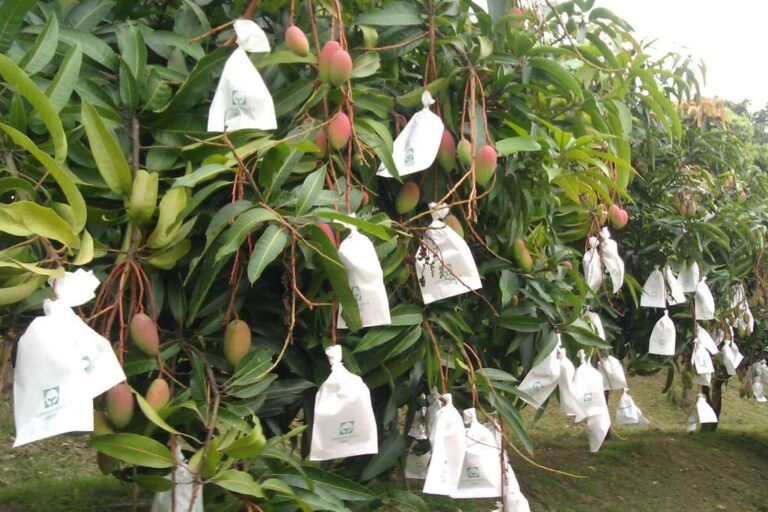
ISLAMABAD, Feb 22 (ABC): The use of mango bags is likely to reach nearly 10 million in 2026 as export prices for protected fruit have jumped around 70%, reflecting strong industry confidence in the quality-enhancement technique.

The Pakistan Horticulture Development & Export Company (PHDEC) introduced mango bags to cut post-harvest losses, improve fruit quality, and expand access to premium export markets.

Technique strengthens export potential

“This mango protection method has proved a breakthrough for growers and exporters alike,” Khawar Nadeem, Manager Agri Products PHDEC, told Wealth Pakistan.

Pakistan produces around 1.8 million tonnes of mangoes annually. However, the country exports only about 150,000 tonnes, or 8.3% of total output. Growers lose a significant portion of exportable fruit due to pests, blemishes, and poor handling. As a result, Pakistan struggles to penetrate high-end international markets.

To tackle these challenges, PHDEC introduced fruit-protection bags that cover hanging mangoes for 30 to 45 days. The bags protect the fruit from fruit flies, dust, and sunburn. Moreover, growers now rely less on pesticide sprays. Consequently, exporters receive fruit with better colour, improved cleanliness, and stronger market acceptance in Europe, America, and Japan.

Export prices surge by 70%

The price difference clearly shows the impact of mango bags. A 5kg pack of non-bagged mangoes usually sells for $17 to $18 in international markets. In contrast, the same quantity of bagged mangoes can fetch up to $30. Therefore, growers can earn nearly 70% more for protected fruit.

Initially, farmers hesitated to adopt the new method. Nevertheless, PHDEC launched a pilot phase to build confidence.

“We started by distributing 150,000 bags among 25 to 30 growers in Sindh and Punjab. Gradually, as farmers saw the difference in quality and prices, their response changed,” Khawar said.

In 2022, PHDEC distributed 200,000 mango bags free of cost in Punjab and Sindh. Similarly, it supplied the same number in 2023 and 2024. By 2025, growers and exporters purchased one million bags on their own. This shift clearly indicates commercial acceptance of the technique.

Looking ahead, industry stakeholders expect usage to surge further. “We project the use of mango bags to reach nearly 10 million in the coming season,” Khawar added.

Local production can reduce costs

Currently, importers source mango bags from China at around Rs6 per bag. However, growers want local manufacturers to start producing the bags. Local production can reduce costs and improve access, especially for small farmers. In addition, domestic manufacturing can create new business opportunities within the horticulture value chain.

Pakistan ranks as the fifth-largest mango producer in the world. Mango remains the country’s second-largest fruit crop and plays a vital role in horticulture exports.

Govt plans advanced dates processing plant in Khairpur

0

ISLAMABAD, Feb 20 (ABC): The Ministry of Industries and Production (MoIP) plans to establish a state-of-the-art dates processing, storage, and packaging facility in Khairpur district of Sindh to strengthen the country’s date industry.

According to official documents available with Wealth Pakistan, the project carries an estimated cost of Rs998.97 million. The government has proposed an allocation of Rs250 million for the financial year 2026-27.

The project will begin after approval from the Ministry of Planning, Development, and Special Initiatives. The Technology Upgradation and Skill Development Company (TUSDEC) under MoIP will supervise its execution.

Modern technology to reduce losses

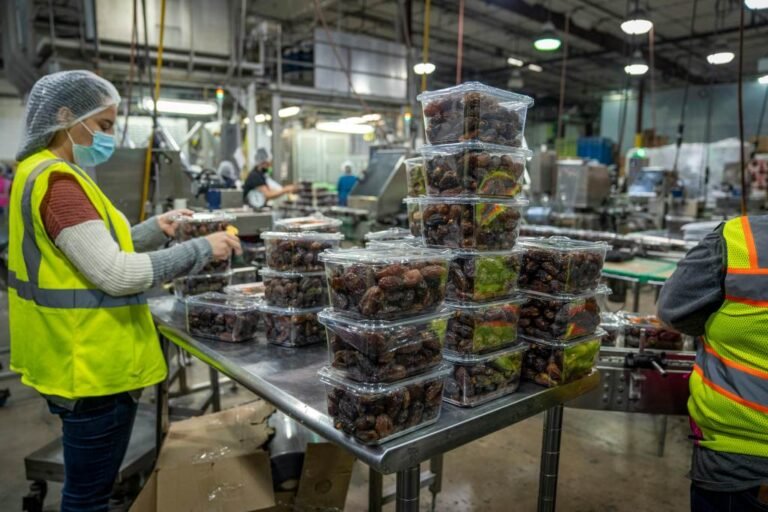
The facility will introduce advanced technologies for cleaning, grading, pitting, processing, packaging, and cold storage of dates. As a result, post-harvest losses will decline and fruit quality will improve.

Moreover, the project will help local growers meet international standards and compete in high-end global markets. It will also create new employment opportunities in the region.

Support for SMEs and capacity building

The initiative will encourage small and medium enterprises (SMEs) to produce value-added by-products such as date paste, syrup, and confectionery items. In addition, the project includes technical training and capacity-building programs for farmers and workers. These measures aim to enhance productivity and improve quality standards.

Speaking to Wealth Pakistan, Mahreen Razzaq Bhutto, Member of the National Assembly (MNA) from Khairpur, said the project will add significant value to the date industry, particularly in Sindh where Khairpur serves as a major production hub.

She said modern processing, storage, and packaging facilities will reduce post-harvest losses and improve quality in line with international benchmarks.

She added that the initiative will boost export potential, generate employment, and strengthen the supply chain. According to her, the project is essential to sustain and modernize Sindh’s date industry.

The MNA further said the new facility will help farmers secure better prices, promote agro-based industrialization, and support economic growth through higher foreign exchange earnings.

22,000 scooters to be distributed among women in three years

0

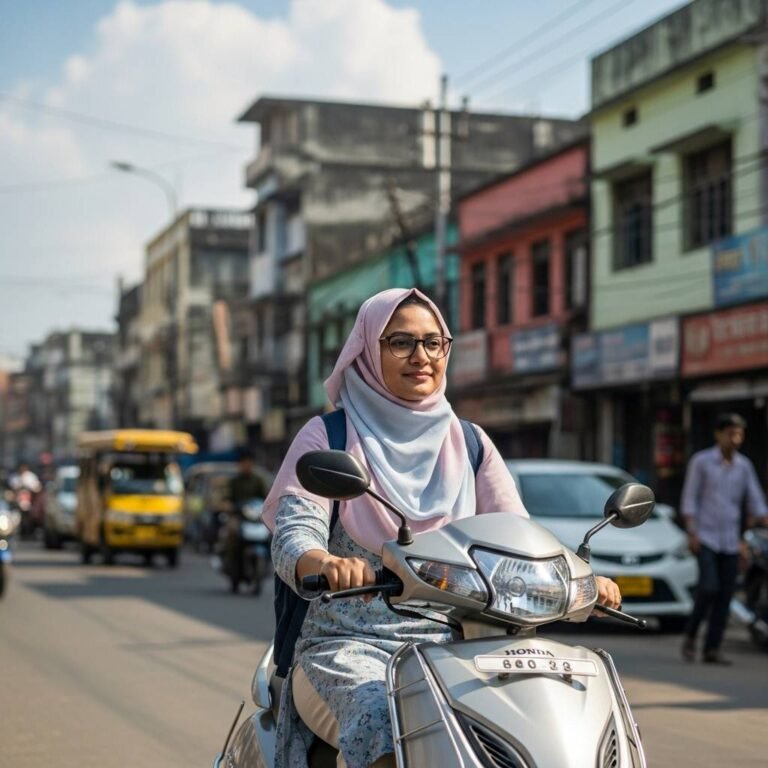
ISLAMABAD, Feb 19 (ABC): The government plans to provide 22,000 scooters to women across the country over the next three years under the Prime Minister’s Strategic Reforms Initiative for Women’s Mobility – “Women on Wheels”. The total cost of the project is Rs4.476 billion.

According to official documents of the Ministry of Human Rights available with Wealth Pakistan, the Central Development Working Party (CDWP) approved the initiative on June 23, 2023. The total estimated cost stands at Rs4,476.170 million.

The Ministry of Human Rights (MoHR) and the National Commission on the Status of Women (NCSW) will execute the project.

Out of the total cost, the government will contribute Rs2,496.17 million under the PSDP. Meanwhile, a financing partner bank, to be selected by the Project Technical Committee, will provide Rs1,980.00 million.

For the next three years, the ministry has proposed Rs837.945 million for 2026-27, Rs1,828.362 million for 2027-28, and Rs829.863 million for 2028-29.

Promoting economic and social inclusion

The project aims to improve women’s mobility by addressing transport barriers that restrict their economic, educational, and social participation. As a result, women will gain more independent access to transportation. This initiative is expected to increase their participation in the workforce and public life.

Human Rights Complex in Islamabad

In addition, the ministry has proposed the construction of a Human Rights Complex in Islamabad at a cost of Rs1.445 billion. The complex will house key institutions under one roof.

These include the National Commission on the Rights of the Child (NCRC), the National Commission on the Status of Women (NCSW), the National Commission for Human Rights (NCHR), and the Federal Institute of Human Rights (FIHR).

By consolidating these bodies in a purpose-built facility, the government aims to improve coordination and service delivery.

Senior Citizen and Child Protection facilities

Another major proposal includes the construction of a Senior Citizen Home and Child Protection Institute in Islamabad at a total cost of Rs1.609 billion.

The plan includes a Senior Citizen Home (Dar-ul-Shafqat) costing Rs465.622 million. It also includes a Child Protection Institute in Sector H-11/4 with an estimated cost of Rs1.144 billion.

These initiatives align with ICT child protection and senior citizen welfare laws. They also aim to fill long-standing gaps in institutional care facilities.

Women development initiatives worth Rs2.87 billion

Furthermore, the ministry has proposed human rights and women development initiatives worth Rs2.87 billion.

This programme includes the construction of the Federal Institute of Human Rights (FIHR) at a cost of Rs1.5 billion. The institute will serve as a centre for education, research, training, and international engagement on human rights.

The plan also includes an Rs800 million Gender Equality and Women Empowerment Programme. In addition, the government will establish Day Care Centres in ICT, AJK, and GB at a cost of Rs570 million. These centres aim to support working women and increase their participation in economic activities.

Punjab considers interest-free loans for commercial poultry sector

0

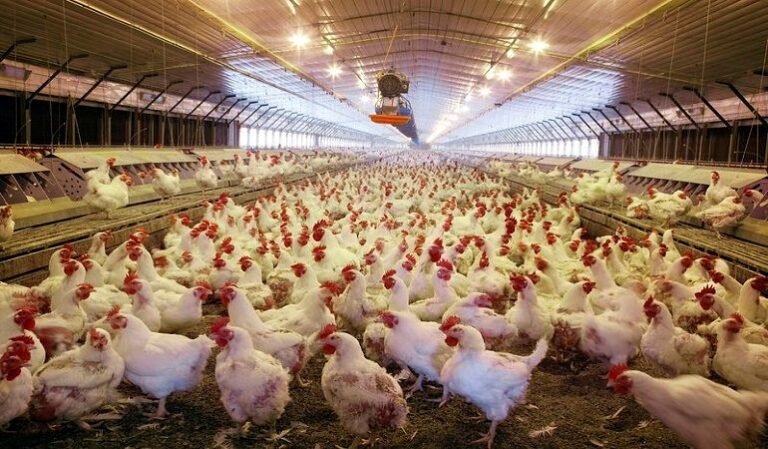
LAHORE, Feb 18 (ABC): The Punjab government is weighing interest-free loans and machinery import support for the poultry sector to boost investment and value addition. Officials say the proposed measures aim to strengthen commercial poultry operations across the province.

The government plans to extend interest-free loans to entrepreneurs, especially for value-addition units such as processing plants and cold storage facilities. At the same time, it is exploring options to facilitate the import of state-of-the-art machinery for the industry.

“Various plans are being discussed with stakeholders to formulate a policy in this regard,” said Dr Sajjad Hussain Kashfi, Director General (Research), Punjab Livestock Department.

Poultry sector’s economic importance

The poultry sector remains a key pillar of Punjab’s economy. More than 70% of total poultry farming, 80% of egg production, 85% of feed production, and all poultry processing units in Pakistan operate in the province.

Talking to Wealth Pakistan, Dr Kashfi said the Poultry Research Institute (PRI), Rawalpindi, provides diagnostic services to farms through its provincial network. In addition, the institute trains farm workers in flock management and offers extension services for disease prevention and treatment.

He stressed that poultry meat plays a critical role in stabilizing the prices of mutton, beef, and pulses. Therefore, any disruption in the poultry sector can trigger spillover effects on essential food items and overall food security.

The Livestock Department is also conducting research to address industry challenges. Meanwhile, it is implementing relevant laws and regulations to create a more business-friendly environment.

Industry calls for tax reforms

However, industry stakeholders argue that improving the ease of doing business and rationalizing the tax regime are essential for sustained growth.

“Poultry is a business. It needs a level playing field, not a discriminatory tax regime,” said Dr Abdul Karim Bhatti, former Central Chairman of the Pakistan Poultry Association (PPA).

Talking to Wealth Pakistan, Dr Bhatti said the sector has attracted more than Rs700 billion in investment in Punjab. As a result, it has generated around 1.5 million jobs, particularly in rural areas.

He noted that Punjab hosts an estimated 4,866 layer farms and 17,405 broiler farms, along with numerous high-density controlled sheds. Consequently, the province drives the supply of affordable white meat and eggs for Pakistan’s population of over 250 million.

Dr Bhatti maintained that over-taxation, especially the imposition of Federal Excise Duty (FED), has hurt the poultry sector.

“We want to pay taxes, but there is a need for a rational tax regime for the poultry sector,” he said.

He pointed out that processed and branded meat is taxed, while unhygienic raw meat often escapes taxation.

“If you impose 18% GST on processed meat, people will turn to unhygienic raw chicken, exposing themselves to a host of diseases,” he warned.

Call for free-market mechanism

Dr Bhatti further said price controls have created uncertainty for farm owners. When prices rise, authorities cap rates. However, when prices fall sharply, producers receive no relief.

“The government should believe in a free-market system, as poultry is a business of profit and loss,” he said.

He added that when losses become government-induced, farm owners struggle to decide whether to continue operations or exit the business.

Nutrition International stresses food fortification to tackle malnutrition in Punjab

0

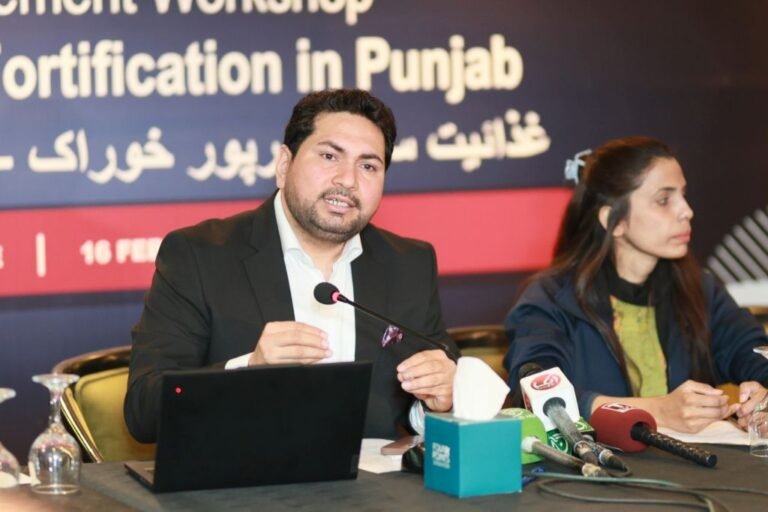
LAHORE, Feb 17 (Wealth Pakistan): Nutrition International has urged the Punjab government to adopt mandatory food fortification to tackle malnutrition, a persistent public health challenge in Pakistan.

High Malnutrition Rates in Punjab

Programme Manager Zameer Haider said Punjab continues to face alarming nutrition indicators. The province reports high levels of stunting, wasting, and anaemia among children. Many women of reproductive age also suffer from serious micronutrient deficiencies.

Nutrition International’s Cost of Inaction Tool estimates that malnutrition costs Pakistan over USD 17 billion (PKR 4.76 trillion) each year. The losses result from low productivity, rising healthcare expenses, and reduced cognitive development in children.

The Multiple Indicator Cluster Survey (MICS) 2018 presents concerning data for Punjab. Around 31.5% of children under five are stunted. Another 7.5% are wasted, while 21.2% are underweight. In addition, 42.2% of women and 52% of children under five suffer from anaemia.

Food Fortification as a Cost-Effective Solution

Food fortification adds essential micronutrients to commonly consumed staples. These nutrients include iron, folic acid, and vitamins A and D. Wheat flour, edible oil, and salt are the main vehicles for fortification.

Global evidence shows strong economic returns. Every dollar invested in fortification generates an estimated USD 27 in benefits. These gains come through disease prevention, higher productivity, and improved lifetime earnings.

In Pakistan, the intervention remains affordable. Fortifying a 20-kg bag of wheat flour costs about PKR 20. Fortifying one kilogram of edible oil costs nearly PKR 0.75. Officials say the measure can reach millions without altering eating habits.

Call for Policy Action in Punjab

Participants at a recent discussion session noted that Sindh, Balochistan, and Khyber Pakhtunkhwa have already enacted mandatory fortification laws. They stressed that Punjab should follow suit. As the largest province and a major wheat flour producer, Punjab can lead national progress.

Speaking at a workshop, Zameer Haider said many families consume enough calories but still face hidden hunger. Deficiencies in vitamins and minerals weaken immunity. They also impair cognitive growth and reduce productivity.

He added that Punjab’s “Healthy Punjab” vision provides an opportunity for preventive action. Fortification can complement curative services and reduce the burden of micronutrient deficiencies.

He also emphasized the media’s responsibility in raising awareness. According to him, informed public dialogue can help build support for sustainable nutrition policies.

The initiative forms part of Nutrition International’s broader efforts to strengthen Pakistan’s nutrition agenda and promote long-term public health improvement.

Huawei committed to deliver full-stack AI solutions: Masud

0

ISLAMABAD: Huawei has reaffirmed its commitment to supporting Pakistan’s digital transformation by delivering full-stack Artificial Intelligence (AI) and ICT solutions.

“Huawei is committed to empower Pakistan’s digital future,” said Ahmed Bilal Masud, CEO of AI and Cloud Business, while addressing the media in Islamabad.

“By bringing full-stack AI and ICT solutions, we aim not only to provide technology but also build local capacity, strengthen ecosystems, and ensure that Pakistan is ready to compete globally in the era of intelligent transformation,” he added.

As Pakistan enters a critical phase of digital transformation, artificial intelligence is emerging as a key enabler of economic growth, governance efficiency, and ICT innovation. Huawei says it is well positioned to support this transition through its full-stack, end-to-end solutions.

Artificial intelligence is increasingly recognized as a cornerstone of Pakistan’s digital future. The government has emphasized AI adoption across governance, industry, and education. It plans to establish Centers of Excellence, expand AI curricula in universities, and train professionals in advanced digital skills.

AI is expected to transform public services and industries by enabling smarter healthcare systems, predictive analytics in agriculture, and intelligent transport solutions. These national priorities align with Huawei’s vision of delivering technologies that empower societies and accelerate digital progress.

Huawei says it is not just a hardware provider but a facilitator of integrated solutions that combine infrastructure, services, and platforms. The company emphasizes supply chain reliability, product availability, and assured delivery. It has also shared a clear AI and ICT roadmap, reflecting its long-term commitment to Pakistan’s digital future.

Potato processing opens new growth avenues for Punjab growers

0

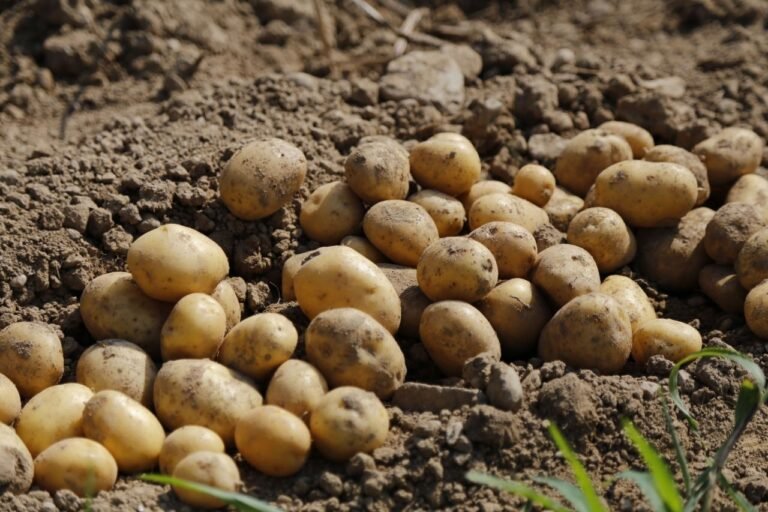
LAHORE, Feb 17 (ABC): Large-scale potato processing and dehydration are creating new growth avenues for Punjab’s growers after a bumper harvest generated fresh opportunities for value addition, export expansion, and rural job creation.

Punjab produced 12 million metric tons of potatoes in the 2025-26 season. This marks a 25% increase over last year. The higher output has increased supply across markets. However, experts say the surplus offers a clear opportunity to expand potato processing and strengthen the value chain.

“Value addition of the potato crop offers the most effective way to generate sustainable income for farmers,” Dr. Ahmad Din, Assistant Professor at the National Institute of Food Science and Technology in Faisalabad told Wealth Pakistan.

Global trends favor potato processing

Dr. Ahmad Din said consumers use less than half of global potato production as fresh produce. Food companies process the remaining volume into frozen French fries, crisps, flakes, powder, starch, and canned products. As a result, countries that invest in potato processing capture higher value.

He explained that processors can convert surplus potatoes into high-value products for domestic and export markets. This shift can stabilize prices and protect farmers from market gluts.

With competitive pricing and strong production volumes, Pakistan can expand its potato processing footprint. The country can also increase its share in global potato exports.

Export potential and infrastructure needs

Pakistan already produces potato crisps and French fries on a relatively large scale. However, manufacturers produce limited quantities of potato starch and other derivatives. Industry experts see strong potential in these segments.

French fries offer strong export prospects. Global demand continues to rise. Domestic consumption also shows steady growth.

To boost exports, investors must expand frozen food infrastructure. They also need to improve cold chain logistics. In addition, entrepreneurs should set up modern dehydration plants. These steps can strengthen export readiness.

Experts have urged the federal and Punjab governments to offer targeted incentives for new potato processing units. Such policies can absorb surplus output. They can also create manufacturing jobs and promote rural industrialization.

Suitable varieties key to value addition

Growers stress the need to cultivate varieties that support potato processing. “For value addition, potatoes must have high Dry Matter Content (DMC) to produce quality chips, snacks, flour, and starch,” said Chaudhary Maqsood Jutt, Chairman of the Potato Growers Society.

He said varieties such as Lady Rosetta, Sante, Mozika, and Astrex deliver higher DMC levels. These varieties suit industrial processing.

Farmers grow more than 100 potato varieties nationwide. However, only about six meet industrial standards. Therefore, farmers must plan crops according to market demand.

Maqsood Jutt, also former chairman of the Potato Research and Development Board, told Wealth Pakistan that farmers should divide production wisely. “A portion of the crop should serve table consumption, while a larger share should go to commercial and industrial processing,” he said.

Strengthening grower participation

Pakistan has around a dozen large potato processing plants. However, growers own only one or two of these facilities. Industry stakeholders encourage farmers to invest in their own processing units.

Greater grower ownership can improve bargaining power. It can also ensure fair returns and long-term sector growth.

Rising production, better technical knowledge, and growing global demand have strengthened Punjab’s potato sector. With focused investment in potato processing, variety development, and infrastructure, stakeholders can convert current gains into lasting economic growth for farmers and the wider agricultural economy.