
Home Blog Page 34

Al-Shifa eye hospital starts services in South Punjab

0

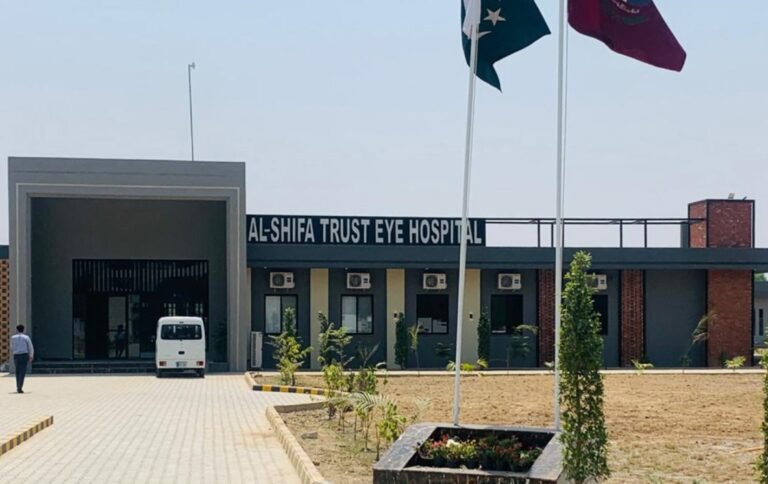
RAWALPINDI, April 28 (ABC): Al-Shifa Trust has started services at its new eye hospital in Haveli Lakha, Okara, ahead of the formal inauguration on May 4. The facility brings specialist eye care closer to residents of five districts in South Punjab.

Hospital to serve five districts

The hospital will serve patients from Haveli Lakha, Depalpur, Pakpatan, Sahiwal, and Bahawalnagar. These areas have long faced limited access to specialised eye treatment.

The trust built the facility on two acres of donated land. The total project cost stands at Rs162 million. This includes Rs122 million for construction and Rs40 million for medical equipment. Donors funded the project and helped expand access to quality healthcare in underserved communities.

Capacity and regional need

The hospital can treat up to 250 outdoor and indoor patients daily. This will strengthen healthcare delivery in the region.

South Punjab carries a high burden of eye disease. More than 1.8 million people live with blindness. Around 85 percent of these cases are avoidable. Nearly half result from cataracts, which doctors can treat through routine surgery. However, rural populations still face shortages of trained staff and modern surgical facilities.

Progress and remaining challenges

Pakistan has reduced its blindness rate over the years. The rate fell from 1.78 percent in 1990 to about 0.5 percent today. Expanded cataract surgeries and early diagnosis supported this progress.

Despite these gains, challenges remain. Treatment costs continue to rise, and facilities remain limited in rural areas. For daily-wage earners in Okara and Sahiwal, the new hospital reduces the need to travel to Lahore or Multan. This cuts both travel time and expenses.

Expanding national network

With the Haveli Lakha facility, Al-Shifa Trust now runs seven hospitals across Pakistan. These include centres in Rawalpindi, Sukkur, Kohat, Muzaffarabad, Chakwal, and Gilgit.

The trust has also organised more than 15,000 screening and surgical camps in remote areas. These efforts have improved outreach and early detection of eye diseases.

Focus on preventive care

The organisation continues to prioritise preventive healthcare. Last year, it screened more than 175,000 schoolchildren through over 550 free eye camps.

In the coming year, the trust aims to reach more than two million patients. It also plans to perform 120,000 surgeries. Around 80 to 90 percent of patients will receive free treatment, ensuring wider access to essential eye care services.
Aahil Mushtaq leads youth initiative for education in Head Baloki

1

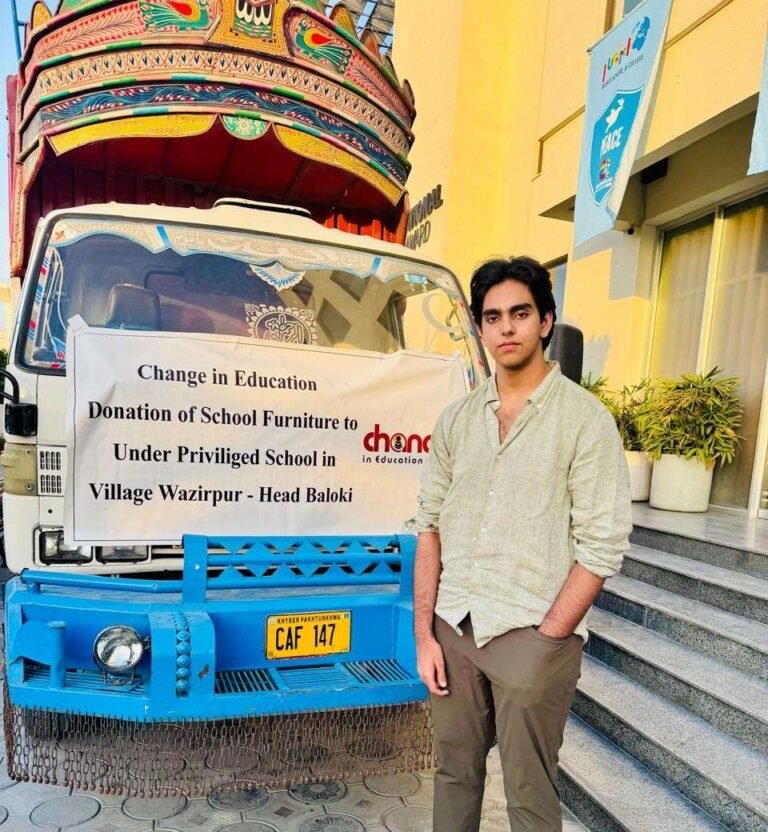
ISLAMABAD, April 28 (ABC): Demonstrating a strong commitment to advancing literacy and inclusive education, Aahil Mushtaq — Director of Change in Education Foundation and a brilliant student of Roots Millennium Future World School H-11/4 Campus Islamabad — successfully led an initiative to donate essential school furniture to an underprivileged school in Village Wazirpur, Head Baloki, according to a press release.

This meaningful contribution aims to improve the learning environment for students who face limited access to basic educational resources. The initiative directly aligns with the United Nations Sustainable Development Goals (SDGs), particularly SDG 4 Quality Education, which emphasizes inclusive and equitable education for all.

Speaking on the occasion, it was highlighted that millions of children in Pakistan remain out of school due to socio-economic challenges. In this context, initiatives like this one represent practical steps toward bridging the education gap and creating opportunities for marginalized communities.

Dr. Faisal Mushtaq, Chairman and CEO of The Millennium Education Group and the Change in Education Foundation, has consistently championed educational reform and improved access to learning. Under his leadership, the Foundation continues to work towards transforming lives through education, with a strong focus on access, equity, and quality learning outcomes.

The Change in Education Foundation envisions a Pakistan where every child has the opportunity to learn, grow, and succeed, regardless of their background. This initiative reflects the Foundation’s ongoing mission to empower communities and contribute to national development through education.

Aahil Mushtaq’s involvement highlights the growing role of youth leadership in addressing critical social challenges. It also promotes a culture of giving back to society, encouraging more young individuals to take part in initiatives that support educational equity in Pakistan.

Balochi embroidery: a heritage at risk

0

By Mahnaz Imdad

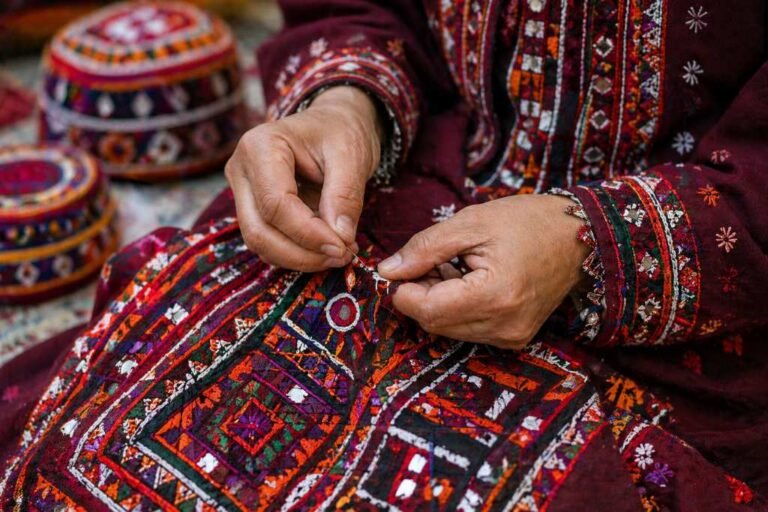
Balochi embroidery is not simply a craft—it is a living archive of identity, history, and cultural memory. In the rugged landscapes of Balochistan, this centuries-old art form has survived not because of institutional support, but because of the quiet, consistent labour of women who stitch their heritage into fabric, thread by thread.

At its core, Balochi embroidery is a language. Its intricate geometric patterns are not random designs; they are inherited codes, passed down across generations. Each motif tells a story—of tribe, lineage, and belonging. In a region where oral traditions dominate, embroidery becomes a visual record of identity, preserving what words often cannot.

What sets this craft apart is its astonishing precision. Entirely handmade, Balochi embroidery demands patience that borders on devotion. A single piece can take weeks, sometimes months, to complete. Every stitch is counted, every pattern measured, ensuring symmetry that machines struggle to replicate. In an era of speed and mass production, this slow, meticulous process is both its strength—and its vulnerability.

The guardians of this tradition are overwhelmingly women. From a young age, girls learn the art from their mothers and elders, not in formal classrooms but within homes. This transfer of knowledge is more than skill-building—it is cultural continuity. Yet, beyond preservation, embroidery also offers women a rare pathway to economic participation. For many in rural Balochistan, it is one of the few accessible means of income, providing both dignity and a degree of financial independence.

The visual power of Balochi embroidery lies in its bold use of color. Deep reds, vibrant blues, bright yellows, and earthy greens reflect both the natural environment and the celebratory spirit of the culture. Often, tiny mirrors are embedded into the fabric, catching light and symbolizing joy. These are not just aesthetic choices—they are expressions of life, resilience, and festivity.

Traditional garments such as the pashk and dosh are more than clothing; they are statements of pride. Worn at weddings and cultural gatherings, they embody heritage in its most visible form. To wear Balochi embroidery is not to follow fashion—it is to assert identity.

Yet, this rich tradition now stands at a crossroads. The rise of machine-made textiles and fast fashion has flooded markets with cheaper, quicker alternatives. While accessible, these products lack the authenticity and cultural depth of handmade embroidery. The result is a shrinking demand for original craftsmanship, pushing artisans to the margins.

This is not merely an economic issue—it is a cultural one. When traditional crafts disappear, entire histories fade with them. Balochi embroidery risks becoming a museum artifact rather than a living practice.

However, the solution is not complicated—it is commitment. Governments and cultural institutions must move beyond symbolic appreciation and invest in practical support: training programs, financial assistance, and structured market access. Designers and fashion houses should integrate Balochi patterns into contemporary collections, ensuring relevance without erasing authenticity.

Equally important is the role of digital platforms. Social media and e-commerce have the power to take this local craft to global audiences. With the right visibility, Balochi embroidery can tap into the growing international demand for handmade, sustainable products—turning cultural preservation into economic opportunity.

Tourism, too, offers untapped potential. Cultural festivals, exhibitions, and artisan markets can showcase this craft as a symbol of Pakistan’s rich heritage. For visitors, authenticity is the attraction—and Balochi embroidery offers exactly that.

Ultimately, preserving this art is not just about saving a tradition—it is about protecting identity. In a rapidly homogenizing world, cultural diversity is a strength, not a relic. Balochi embroidery represents resilience, creativity, and continuity. Losing it would mean losing a part of Pakistan’s soul.

The question, then, is simple: will we allow this heritage to fade, or will we give it the recognition and support it deserves?

CPEC projects create over 7,300 jobs in Balochistan; 10,425 more expected

0

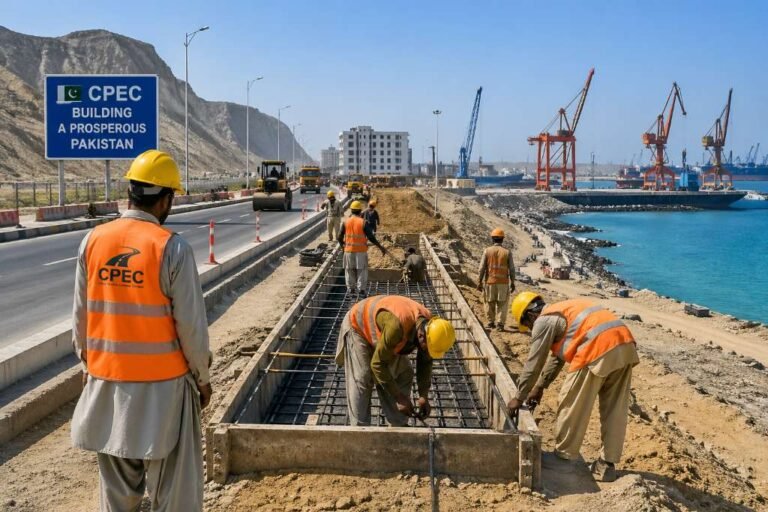
ISLAMABAD, April 28 (ABC): China-Pakistan Economic Corridor (CPEC) projects in Balochistan have so far created or engaged 7,313 workers under completed and ongoing schemes. Meanwhile, another 10,425 jobs are expected in future phases and pipeline projects.

According to official documents available with Wealth Pakistan, these employment figures cover multiple sectors. These include road infrastructure, energy, water, industry, health, education, and port-related projects. The documents show that many jobs have already been created during construction and execution. However, additional employment opportunities are still expected under upcoming initiatives.

At the project level, the Surab-Hoshab (N-85) road generated 101 jobs, all for local residents. Similarly, 616 locals were employed through contractors in the Gwadar-Hoshab-Awaran-Naal sections of M-8 and the Khuzdar-Basima project.

In another development, the Nokandi-Mashkail-Panjgur project created 82 temporary jobs during its execution. Likewise, the HUBCO Coal Power Project generated 627 jobs, including 170 for individuals holding Balochistan domicile.

The New Gwadar International Airport created 107 jobs. Out of these, 63 positions went to Balochistan residents, exceeding the federal government’s 6% quota. In addition, Gwadar Port and Free Zone generated 216 jobs, including 214 for local residents.

During infrastructure development, the Eastbay Expressway (Phase I) engaged around 1,400 workers. Among them, 200 were locals. Phase II is currently in the planning stage. Similarly, around 1,500 workers were engaged in construction near the Technical and Vocational Institute in Gwadar, including 450 locals.

Furthermore, the 1.2 MGD Desalination Plant in Gwadar employed about 330 workers during construction, including 165 locals. In the Bostan Special Economic Zone, existing industrial units created 426 jobs, all for local residents.

The 15,000 Solar Powered Lighting Equipment Project generated around 1,100 contractual jobs. Most of these positions were filled by locals. In the same way, fresh water treatment and supply facilities in Gwadar created 320 jobs, including 270 for residents.

Healthcare and social infrastructure projects also contributed to employment. The Pak-China Friendship Hospital in Gwadar created 515 jobs, including 441 for Balochistan domicile holders. Meanwhile, Westbay Expressway created 100 jobs, including nine for locals. The school at Faqeer Colony, Gwadar, generated 51 jobs, including 24 local positions.

Taken together, these completed and ongoing projects account for 7,313 jobs already created or workers engaged in Balochistan.

Looking ahead, the documents highlight significant employment potential. A total of 10,425 additional jobs are expected under future phases and pipeline projects.

In particular, the Bostan Special Economic Zone is projected to create around 8,030 new jobs. These will come from plots allocated to 24 enterprises, with a strong focus on local employment.

Similarly, the Gwadar fresh water treatment and supply project is expected to generate 300 more jobs. The Saindak Copper/Gold Mining Project is likely to create around 1,120 jobs, including about 950 for residents, especially from Chagai and nearby areas.

Moreover, the 300MW Coal Power Plant in Gwadar is expected to generate around 575 jobs during construction and operations. Out of these, 43 positions are reserved for local employment.

Finally, the Gwadar Smart Environmental and Sanitation System will create approximately 200 temporary construction jobs, including 150 for locals. In addition, it is expected to generate another 200 operational jobs, with priority given to local residents.

Huawei Pakistan Digital Week 2026 concludes with strong focus on innovation

0

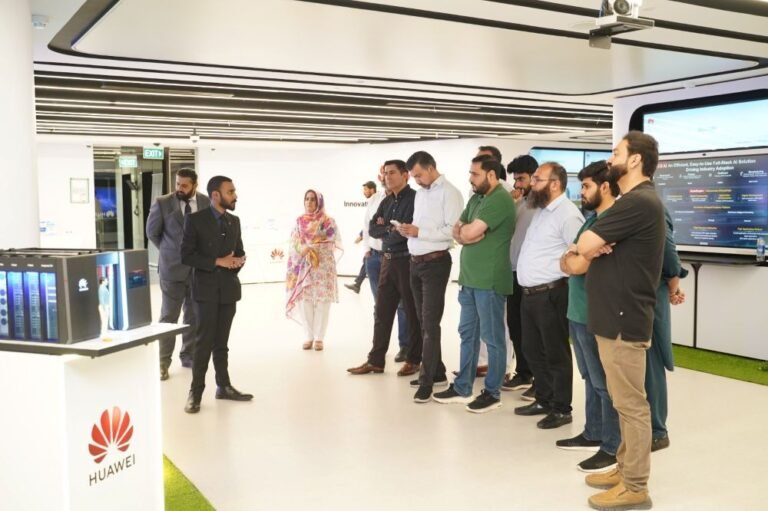
ISLAMABAD, April 27 (ABC): Huawei Pakistan concluded its week-long Digital Week Pakistan 2026 in Islamabad, showcasing innovation, collaboration, and digital transformation initiatives.

The event brought together senior government officials, ICT experts, telecom representatives, industry specialists, media professionals, and students. Throughout the week, participants attended workshops, exhibitions, panel discussions, and hands-on demonstrations. These sessions focused on cloud technologies, digital skills, cybersecurity, artificial intelligence, and next-generation ICT solutions.

Cloud technologies take center stage

Speaking at the event, Ethan Sun, CEO of Huawei Pakistan, highlighted the importance of cloud technologies in modern digital infrastructure. He said cloud platforms improve efficiency, enhance security, and support the adoption of emerging technologies across industries.

Ahmed Bilal Masud, CEO AI and Cloud Business at Huawei Pakistan, said the company remains committed to Pakistan’s digital development. He emphasized long-term investment, capacity building, and advanced technology solutions. He added that Digital Week Pakistan 2026 created a platform to engage partners, share global best practices, and explore new cooperation opportunities.

Industry participation and engagement

The invitation-only event featured multiple technology zones. Participants explored innovations through interactive showcases and live demonstrations. They also engaged directly with Huawei experts to understand real-world applications of ICT solutions.

Officials from the Ministry of IT and Telecom and the Pakistan Telecommunication Authority were among the early participants. Representatives from major telecom operators, financial institutions, and government bodies also attended. Media professionals visited the experience areas, received briefings, and interacted with technical teams.

Technical sessions highlight global trends

During the week, local and international experts led technical sessions on key topics. These included cloud migration strategies, AI-powered enterprise solutions, data protection frameworks, and digital talent development. As a result, participants gained insights into global technology trends and their relevance to Pakistan.

Focus on youth and skills development

A special segment of the event focused on youth engagement. Around 100 students and young professionals participated in training workshops, innovation challenges, and mentorship sessions. These activities aimed to improve digital literacy and encourage entrepreneurship.

University representatives and academic leaders also attended the sessions. They appreciated Huawei’s efforts to support talent development and create opportunities for future ICT professionals.

Strengthening Pakistan’s digital ecosystem

The event also promoted networking among industry leaders, telecom operators, and technology partners. Discussions focused on cloud adoption, future digital initiatives, and sector-specific transformation strategies.

Participants noted that the event provided valuable exposure to emerging technologies. Many emphasized the need to strengthen Pakistan’s digital ecosystem through collaboration and innovation.

Commitment to long-term digital growth

Huawei Pakistan reaffirmed its commitment to supporting innovation and digital transformation in the country. The company said it will continue to invest in local talent, expand its technology portfolio, and work closely with stakeholders.

Participants expressed strong appreciation for the quality of sessions and interactive demonstrations. They highlighted the opportunity to engage directly with experts as a key takeaway from the event.

Punjab plans to launch CBD projects in major cities

0

LAHORE, April 26 (ABC): The Punjab Central Business District Development Authority is planning to establish central business districts in major cities across the province, including Rawalpindi, Faisalabad, Gujranwala, Sialkot, Multan, and Bahawalpur. The move follows the successful launch of its flagship project in Lahore.

According to an interview with Wealth Pakistan, Chief Executive Officer Imran Amin said the authority is carrying out feasibility studies and strategic planning. He said the aim is to replicate the CBD model across Punjab after strong investor response in Lahore.

Expansion aims to boost investment and growth

The expansion aims to centralize economic activity and develop modern commercial hubs in key urban centers. It also seeks to attract both domestic and international investment. Moreover, the initiative is expected to promote balanced and sustainable urban growth across the province.

Amin said the establishment of a network of CBDs will create new engines of economic activity. He added that it will strengthen Punjab’s overall economic landscape and position the province as a leading investment destination in the region.

Lahore CBD projects gain momentum

Highlighting the flagship Lahore CBD project, Amin said several developments are shaping the city’s urban landscape. These include CBD Route 47, which is designed to improve connectivity and unlock commercial potential. In addition, CBD Walk will serve as a pedestrian-friendly lifestyle destination. Meanwhile, CBD Arena is planned as a major venue for events, entertainment, and business activities.

He said the Central Business District Punjab is progressing at full pace. Both infrastructure and vertical development are underway, which shows a shift from planning to execution.

To ensure high standards, the authority has engaged internationally recognized master planners. It has also attracted leading private developers to deliver premium projects within the district.

Experts highlight need for city-specific planning

Urban affairs experts support the rollout of CBDs in Lahore and other cities. However, they stress that the economic impact depends on local conditions. Speaking to Wealth Pakistan, Dr. Nasir Javed, former chief executive officer of the Punjab Urban Unit, said CBDs must align with city-specific value chains.

He said export-oriented textile services can drive growth in Faisalabad. Similarly, back-office and tech services can support development in Rawalpindi. He added that logistics and agri-processing can play a key role in Multan. If aligned properly, these sectors can improve productivity and increase formal economic activity.

Global examples offer key lessons

Dr. Javed said CBDs have played a central role in the growth of major cities in developed countries, especially in the United States. He noted that in cities like New York, Chicago, and San Francisco, CBDs developed over decades as hubs of finance, commerce, and governance.

He explained that their strength comes from deep labor markets, strong infrastructure, effective institutions, and global connectivity. He added that CBDs are not just clusters of office buildings but complete economic ecosystems.

For Pakistan, he said the key lesson is to go beyond physical development. He emphasized the need for mixed-use planning, efficient transport systems, regulatory transparency, and alignment with competitive economic sectors.

Lahore hosts dialogue on preserving heritage for a sustainable future

0

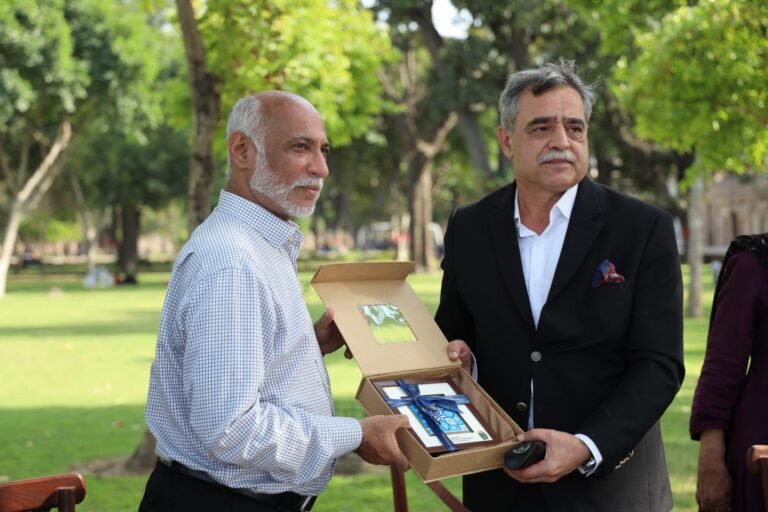
LAHORE, April 24 (ABC): A high-level dialogue on cultural preservation and sustainability brought together key stakeholders at the historic Shalimar Gardens to discuss strategies for protecting Pakistan’s rich heritage.

The event, organised by the Walled City of Lahore Authority, focused on the theme “Preserving the Past for a Sustainable Future,” highlighting the importance of safeguarding historical assets while ensuring community development.

Experts from academia, government institutions, and non-governmental organisations participated in the discussion. Speakers emphasised that preserving heritage sites is essential to maintaining cultural identity and promoting sustainable tourism.

Professor Emeritus Neelum Naz stressed the need to raise awareness about heritage conservation from an early age. She suggested introducing cultural heritage education at the primary school level to build long-term appreciation. She also proposed using everyday items, such as stamps and matchboxes, to promote historical imagery and create awareness at the grassroots level.

Echoing this perspective, Sajida Vandal said that changing public perception is crucial. She noted that heritage must be presented in a way that is accessible and meaningful for all segments of society.

Architect and academic Umer Farooq highlighted the importance of engaging youth through innovative approaches. He pointed out that young people have multiple recreational options, making it necessary to develop creative strategies that connect them with cultural heritage.

Director General WCLA Najamus Saqib underlined the growing role of social media in promoting Pakistan’s historical landmarks. He said digital platforms are helping bring heritage sites into the spotlight and improving the country’s global image.

Member of the National Assembly Shaista Pervaiz Malik highlighted the socio-economic importance of traditional crafts. She noted that crafts are closely linked to tourism and must be incorporated into policy frameworks. She also stressed the need to support artisans by providing better opportunities and ensuring their dignity.

Speakers also emphasised community engagement as a key pillar of conservation. Najamus Saqib shared that WCLA integrates social mobilisation into its projects, ensuring that local communities remain central to conservation efforts.

Tausif Khawaja of the Aga Khan Cultural Service – Pakistan highlighted the connection between heritage and community development. He said conservation initiatives must focus on improving livelihoods and reducing poverty.

Referring to the restoration of Wazir Khan Mosque, he described it as a transformative project that engaged local communities and trained young professionals in technical fields such as surveying and computer science.

He also pointed to strong public interest in historical sites, noting that millions visit the Lahore Fort each year. Surveys show that a majority of visitors return due to their interest in history rather than leisure alone.

The dialogue concluded with a consensus on the need for stronger institutional collaboration, innovative outreach, and education reforms. Participants agreed that community involvement remains central to preserving Pakistan’s heritage and ensuring its sustainability for future generations.