



By Sassi Nasir Ali
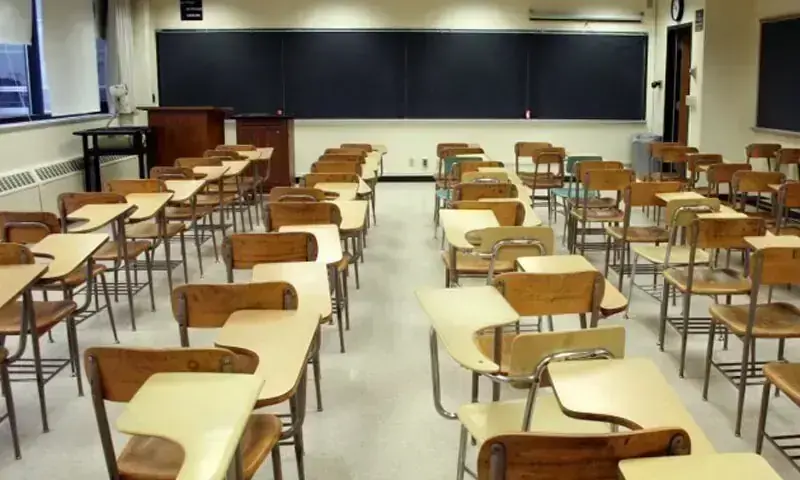
A school is more than a building. It is where a child learns, grows, and dreams of a better future. Today, in Balochistan and across Pakistan, many classrooms stand empty. Schools, colleges, and universities have closed repeatedly due to a severe fuel crisis. With each extension, students lose valuable time.
Closures spread across provinces
In Balochistan, the government first announced that all educational institutions would remain closed until March 31 to save fuel amid rising petrol and diesel demand. In Punjab, authorities ordered closures from March 10 to March 31 and advised schools to shift to online classes where possible. Khyber Pakhtunkhwa also introduced fuel-saving measures, including reduced office hours and remote work for government staff.
These steps aim to cut fuel use at a time when global oil prices have increased due to geopolitical tensions and supply constraints. The policy reflects the need to manage limited resources during a difficult period.
Uncertainty deepens concerns
What was already difficult is becoming more uncertain. Reports suggest that authorities may extend closures from April 1 to April 15. The government says it needs more time to manage shortages. However, this uncertainty adds to the stress faced by students and parents.
While the official reasoning is understandable, the education sector should not bear a disproportionate burden. Fuel is essential for transport, agriculture, and emergency services. Yet, repeated school closures risk long-term damage to learning outcomes.
Digital divide limits online learning
In much of Balochistan, online learning is not a practical solution. Internet access remains slow and expensive. Many families cannot afford smartphones or computers. Even where connectivity exists, frequent power outages and weak networks disrupt virtual classes.
For students, each closure means lost lessons and reduced opportunities. The gap in learning continues to widen, especially for those already facing disadvantages.
Rising pressure on students and parents
Parents are increasingly worried as their children fall behind. Motivation is declining, while anxiety continues to rise. Exams remain scheduled, despite the disruption. Many students now face the risk of taking tests without adequate preparation.
This situation places an unfair burden on families who have little control over the circumstances.
Need for a clear and balanced approach
The government faces a complex challenge. A fuel crisis requires careful management, and solutions are not simple. However, education must remain a priority. School closures should be a last resort, not a recurring response.
Authorities should present a clear plan with a defined timeline for reopening institutions. If closures must continue, alternative solutions are essential. These may include community learning centres, subsidised internet access, or flexible education models suited to local conditions.
Students deserve clarity and continuity
Students and families are not asking for special treatment. They seek clarity, fairness, and continuity in education. While many are prepared to wait until April 1, any extension to April 15 requires clear communication and reassurance.
The children of Balochistan and Pakistan deserve uninterrupted learning. Their future depends on the decisions made today. The nation cannot afford to let their education fall behind.