


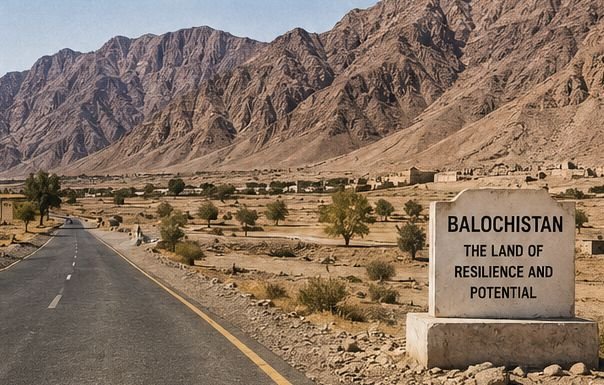
As temperatures rise across Pakistan, summer brings more than discomfort. For many people in Balochistan, it brings hardship, uncertainty and daily struggle. Extreme heat affects the entire country, but people in underdeveloped regions often face greater difficulties because they lack adequate services and economic opportunities.
Why students and workers suffer most
Students face some of the toughest challenges during the summer months. Summer vacations should offer time for rest, learning and personal development. However, many students in Balochistan struggle with financial pressures, limited educational facilities and inadequate infrastructure. These challenges affect both their studies and future prospects.
The situation is equally difficult for workers. Thousands of labourers, daily wage earners and job seekers travel long distances under the scorching sun to earn a living. Many families depend on a single income source and struggle to meet basic needs. Extreme temperatures make their daily efforts even more difficult.
A province rich in potential
Balochistan holds a unique position in Pakistan. It is the country’s largest province by area and possesses abundant natural resources. Its mineral wealth, strategic location and energy reserves can contribute significantly to national development.
Despite these advantages, many parts of the province continue to face serious development challenges. Large sections of the population still lack access to opportunities that could improve their quality of life and strengthen the local economy.
Development challenges remain
Unemployment remains one of the province’s most pressing concerns. Many young people struggle to find meaningful jobs and often feel uncertain about their future. Infrastructure gaps add to these difficulties.
Many areas need better roads and stronger communication networks. Access to quality healthcare also remains limited in several districts. Residents of remote communities often travel long distances to receive basic medical treatment. These shortcomings slow economic activity and affect everyday life.
The need for equal opportunities
Many residents believe they do not receive the same opportunities available in other parts of the country. Whether these concerns are real or perceived, policymakers should address them seriously. Inclusive development strengthens national unity and promotes long-term stability.
The Constitution of Pakistan guarantees fundamental rights to every citizen. Article 9 protects the right to life and security. These guarantees place a responsibility on the state to ensure that citizens can live with dignity, safety and access to essential services.
A shared responsibility for the future
The future of Balochistan is closely linked to the future of Pakistan. A prosperous Balochistan can strengthen the national economy, improve regional connectivity and contribute to overall stability. Investments in education, healthcare, infrastructure and employment can unlock the province’s vast potential.
Climate change has intensified heatwaves across Pakistan. Policymakers must therefore pay greater attention to vulnerable regions such as Balochistan. Authorities should address immediate challenges while also pursuing long-term development goals.
The people of Balochistan have shown resilience despite numerous hardships. With sustained investment, equal opportunities and effective governance, the province can become a powerful driver of Pakistan’s future growth and prosperity. Achieving this goal requires cooperation, unity and a commitment to ensuring that no region is left behind.
About the writer: Zahid Dilwash is a resident of Tump Zamoran Bazaar, Balochistan. He writes on social, educational and development issues affecting local communities and advocates inclusive growth and equal opportunities for all citizens.