



By Zahid Dilwash
Education is one of the most important foundations of human life. It shapes character, builds morality, and helps people understand the difference between right and wrong. Many thinkers have described education as the most powerful tool to change the world. However, the true strength of education depends on teachers.
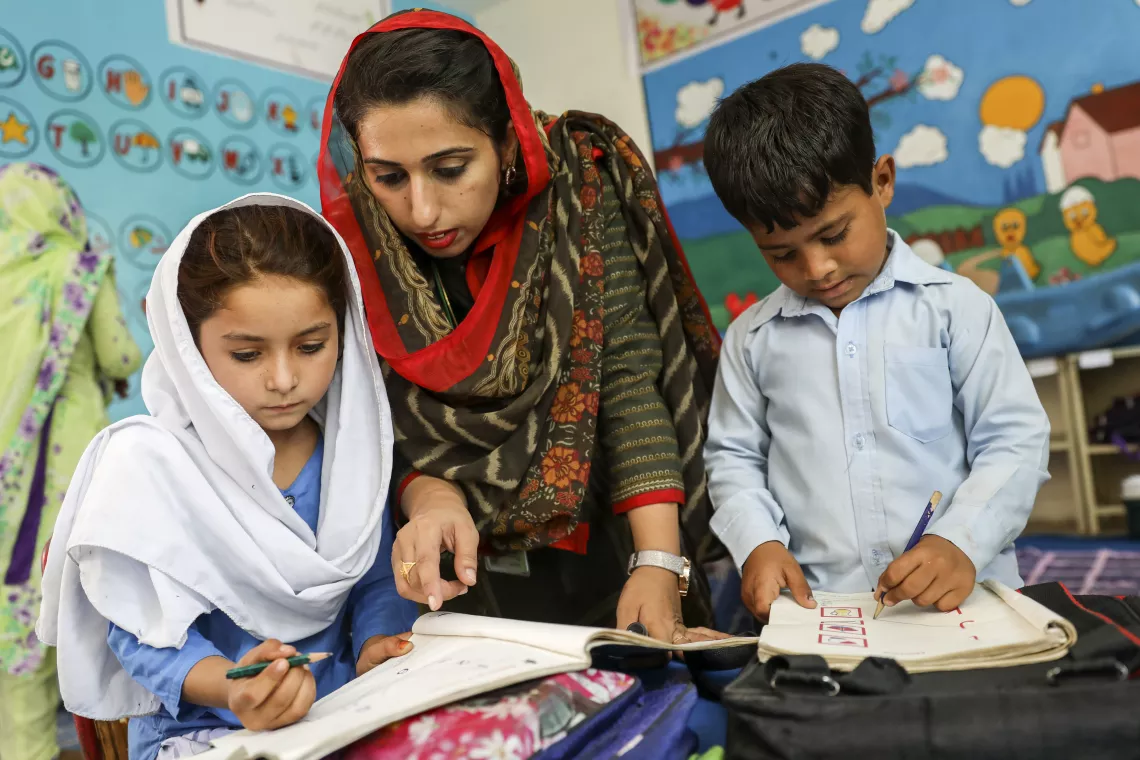
Teachers are the backbone of any society. They guide students from ignorance to awareness and from confusion to clarity. Their role is not limited to delivering lessons. They must also understand the psychological needs of their students. Without this understanding, education loses its real purpose.
Not all students learn the same way
Every student is different. Just as the five fingers on a hand are not equal, students also have different abilities. Some students excel in academics, while others show strength in creative or practical skills. This diversity is natural and should be respected.
However, many teachers fail to recognise these differences. They often treat all students in the same way. As a result, students who struggle in traditional learning feel ignored or discouraged. This approach creates distance between teachers and students.
Importance of understanding students’ psychology
A teacher’s primary role is to guide, not to impose. Good teachers do not force or insult students for their weaknesses. Instead, they try to understand each student’s mindset and learning capacity.
When teachers understand students’ psychology, they become more approachable. This helps students feel safe and confident in the classroom. It also allows teachers to adopt better teaching methods that suit individual needs.
Many students who appear weak in studies often possess hidden talents. These may include skills in art, sports, or problem-solving. Unfortunately, such talents are often overlooked. Constant criticism and harsh behaviour can damage a student’s confidence and motivation.
A lesson from Taare Zameen Par
A powerful example of this issue can be seen in the film Taare Zameen Par. The story revolves around a young student who struggles with studies but has exceptional artistic talent.
As a result, the same student who once struggled becomes confident and successful. The film delivers a clear message: every child has unique abilities, and it is the teacher’s responsibility to discover and develop them.
Moving beyond rote learning
Education should not rely only on memorisation. Rote learning limits creativity and discourages critical thinking. Teachers should focus on understanding how students learn rather than forcing them to follow a single method.
A supportive teacher creates an environment where students feel encouraged to express themselves. Respect, patience, and empathy are essential qualities in this process.
Conclusion
Every student has potential. The responsibility lies with teachers and parents to recognise and nurture that potential. Education should be based on understanding, not pressure.
When teachers guide students with wisdom and kindness, they build confident individuals. In the long run, this approach strengthens society as a whole.