


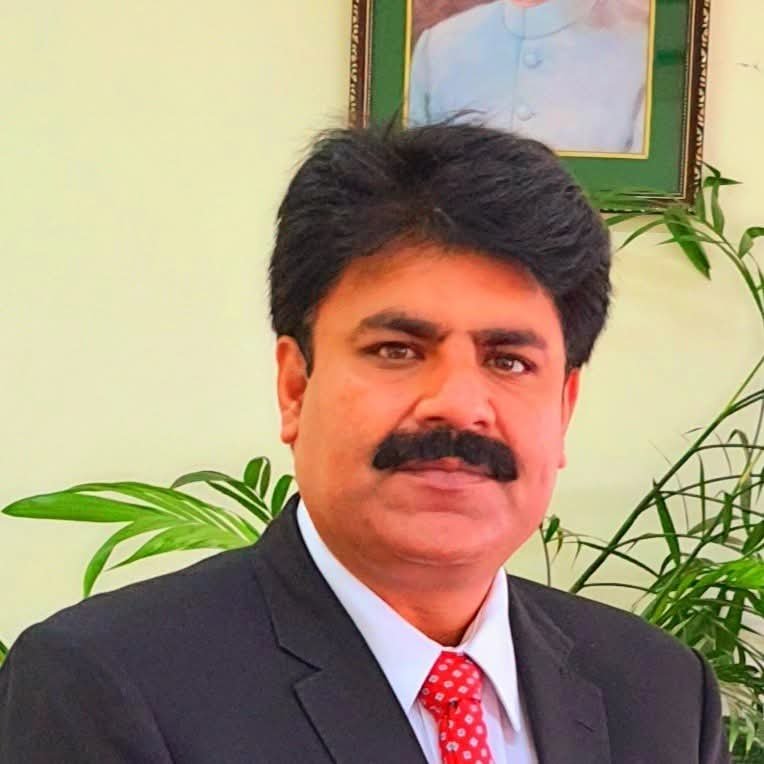

By Hafiz Ahsaan Ahmed Khokhar
PIA privatisation offers a blueprint for transforming loss-making public-sector enterprises into engines of economic growth. For decades, Pakistan International Airlines (PIA) has been a source of both pride and frustration for Pakistanis, symbolising national ambition as much as public-sector inefficiency. Chronic losses, mounting liabilities, and declining service standards gradually turned the national carrier from a strategic asset into a fiscal burden.
The recent decision to transfer a majority stake to a consortium led by the Arif Habib Group therefore represents more than a commercial transaction. It is an opportunity to finally translate long-delayed reform commitments into measurable outcomes.
Transparency and process as confidence-building tools
What sets this privatisation apart is not only the asset involved but also the process through which it was executed. Competitive, transparent, and live-televised bidding directly addressed a longstanding criticism surrounding major public-sector deals: opacity.
In reforming economies, confidence is built when procedures are visible, predictable, and consistently applied. By placing the process itself under public scrutiny, the transaction sent an important signal. It showed that rules, rather than discretion, would govern outcomes.
Domestic capital and policy credibility
The identity of the buyer is equally significant. The Arif Habib Group’s decision to invest in PIA reflects a strategic deployment of domestic capital, signalling confidence not only in the airline but also in Pakistan’s broader policy and institutional direction. Unlike foreign capital, domestic investors are fully exposed to the country’s economic cycles, regulatory environment, and political realities.
Their willingness to commit therefore carries deeper informational value about expectations regarding policy continuity and institutional stability.
Linking theory with practice
This confidence aligns with a wider development insight. In Gambling on Development, economist Stephen Dercon argues that durable reform takes hold when domestic investors make long-term commitments because they trust that rules will hold and policies will endure.
The PIA transaction translates this principle into practice. It marks a tangible vote of confidence in Pakistan’s reform trajectory and institutional credibility.
Governance, not ownership, will decide outcomes
The implications extend well beyond financial restructuring. PIA’s privatisation is a direct test of whether Pakistan can shift from discretionary control to rule-based governance. Success will depend on whether authority is clearly delegated, professional management is empowered, and performance rather than intervention determines outcomes.
The airline’s future will therefore reflect not just managerial competence but also the state’s capacity to step back, honour agreed frameworks, and resist political or bureaucratic intrusion.
Institutional coordination behind the deal
Collective institutional coordination was central to the execution of this landmark privatisation. The Privatisation Commission of Pakistan played a foundational role by structuring the transaction and ensuring procedural integrity and transparency.
The Ministry of Finance provided fiscal stewardship by restructuring bank loans, addressing taxation issues, facilitating stakeholder negotiations, and aligning the privatisation with Pakistan’s home-grown reform agenda and IMF programme commitments. Complementing these efforts, the Special Investment Facilitation Council (SIFC) functioned as a high-level coordination platform. It streamlined approvals across ministries, resolved inter-agency bottlenecks, and reduced transaction uncertainty.
Together, these institutions converted a complex, multi-stakeholder exercise into a coherent and manageable process. Importantly, they established a collaborative framework capable of translating reform intent into sustained economic performance.
Lessons from international aviation experience
International experience provides useful perspective. Airlines such as Japan Airlines and Turkish Airlines succeeded by combining commercial discipline, professional autonomy, and long-term planning. Global leaders including Emirates, Singapore Airlines, British Airways, and Qatar Airways demonstrate that sustained success rests on governance quality, operational efficiency, and continuous investment in people.
Pakistan’s challenge is not replication. Instead, it lies in internalising the principles that underpin these outcomes.
Aligning commercial incentives with national interest
Commercial incentives reinforce this trajectory. In aviation, profitability is closely tied to operational reliability, fleet utilisation, route strategy, and service quality. Improvements in these areas align private returns with national interest.
A credible airline that connects Pakistan to the world strengthens tourism, trade, and connectivity. At the same time, it projects institutional competence internationally.
A blueprint beyond aviation
The broader relevance of this transaction is systemic. With many state-owned enterprises continuing to absorb substantial public resources, PIA’s restructuring could serve as a blueprint beyond aviation. Even partial success would demonstrate that reform is possible when incentives align and governance is insulated from interference.
More importantly, it would show that policy design can be followed by disciplined execution.
From reform intent to measurable results
The privatisation of PIA marks a defining moment for Pakistan’s economic future. Its success would go beyond reviving a single enterprise. It would signal the country’s ability to translate policy into practice, honour commitments, and manage complex reforms.
A thriving airline strengthens connectivity, trade, and tourism, all critical levers of growth. On the global stage, it would demonstrate Pakistan’s capacity to meet international standards, attract investment, and project institutional competence. Above all, it would show that when institutions hold and execution follows intent, Pakistan can convert reform into results and ambition into sustained economic progress.