


ISLAMABAD, May 24 (ABC): Pakistan has prepared a long-term strategy to reduce dependence on imported edible oil and achieve 70% self-sufficiency by 2035 through increased local oilseed production and expanded olive cultivation.
According to the Ministry of National Food Security and Research’s Year Book 2024-25, the Pakistan Oilseed Department has developed a Strategic Development Plan aimed at meeting most of the country’s edible oil demand through domestic production.
Pakistan plans major increase in edible oil production
The strategy aims to raise annual edible oil production and import substitution to more than 4.578 million tonnes by 2035. Officials estimate that the initiative could reduce import costs by nearly $7.017 billion annually.
Pakistan currently relies heavily on imported edible oil to meet domestic requirements.
During FY2024-25, the country imported 4.169 million tonnes of edible oil, including 0.542 million tonnes extracted from imported oilseeds. These imports were valued at Rs1,407 billion or $4.971 billion.
In comparison, local edible oil production reached only 0.474 million tonnes during the same fiscal year. Total edible oil availability from local production and imports stood at 4.643 million tonnes.
Oilseed cultivation area to expand by 2035
The Year Book stated that two major projects are supporting the development of the edible oil sector. These projects include the National Oilseed Enhancement Programme and the Promotion of Olive Cultivation on Commercial Scale in Pakistan Phase-II.
Under the long-term strategy, Pakistan plans to increase oilseed cultivation area from 1.240 million hectares to 4.600 million hectares by 2035.
The plan also includes the installation of 1,000 mini expellers and the provision of 1,500 farm machines to strengthen oilseed processing and production activities.
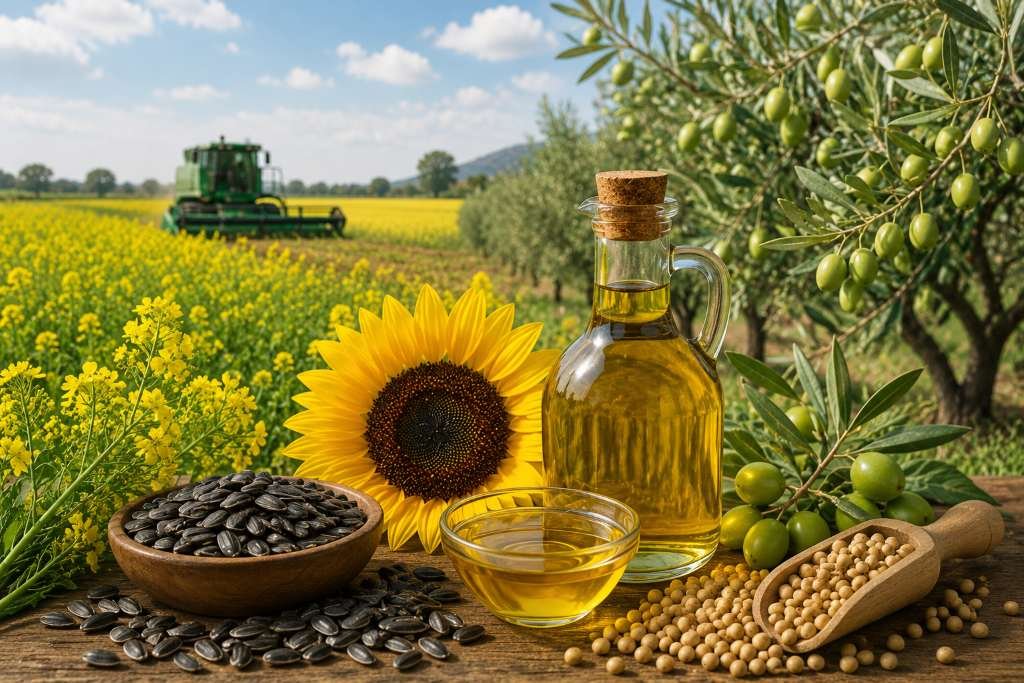
The Pakistan Oilseed Department has also conducted awareness campaigns to promote sunflower, canola and olive cultivation in different regions of the country.
Officials worked with provincial governments to encourage farmers to adopt oilseed crops and oil-producing plants as part of broader import substitution efforts.
Olive sector emerging as a key growth area
The olive sector is becoming an important component of Pakistan’s edible oil strategy.
During FY2024-25, different project components planted 822,452 olive cuttings for the production of disease-free and true-to-type nursery plants.
In Balochistan, the Agricultural Research and Development Centre planted 108,859 olive plants in different districts with a 33% farmer cost-sharing model.
The project also introduced drip irrigation systems across 737 acres in different districts of the province.
Training and international cooperation support sector growth
The Year Book said authorities conducted 45 training programmes on olive cultivation, nursery management, orchard development, value addition and oil processing.
A total of 2,684 participants, including youth and women, attended these training programmes.
The report also highlighted progress in international cooperation.
A €20 million TEVET Umbrella Project on professional capacity building and agricultural extension has been approved by the Central Development Working Party. The initiative focuses on technical training and infrastructure development in olive cultivation and other fruit crops.