
Home Blog Page 47

Flurry of activities to mark 75th anniversary of Pak-China diplomatic ties

0

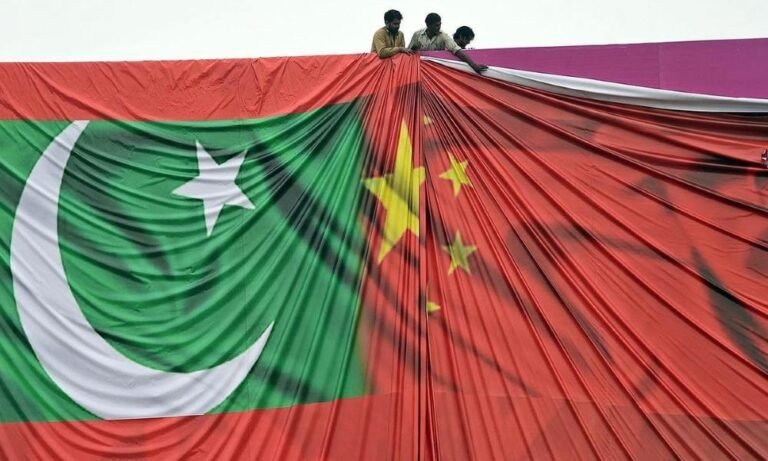
ISLAMABAD, Feb 7 (ABC): Pakistan and China are set to celebrate the 75th anniversary of diplomatic relations in 2026 with a year-long series of events, as the government plans dozens of joint initiatives to commemorate their historic partnership and strengthen future cooperation.

To oversee the celebrations, the prime minister has constituted a special committee tasked with organizing 72 activities throughout the year. Officials say the initiatives will highlight the depth of bilateral ties and open new avenues for collaboration across trade, culture, technology and diplomacy.

The planned activities aim not only to celebrate past achievements but also to reinforce the strategic partnership between the two countries.

Commemorative coin and stamp

Among the key highlights, Pakistan will issue a commemorative coin and postage stamp to mark the milestone year.

These symbolic items will represent the enduring friendship between Islamabad and Beijing and serve as a tribute to decades of mutual trust and cooperation.

Officials told Wealth Pakistan such gestures reflect the historical significance of Pakistan-China ties, often described as “all-weather” and time-tested.

Wide-ranging joint events planned

In addition, more than two dozen joint activities are already under active preparation.

These programmes will take place across both countries and cover multiple sectors. They include trade exhibitions, cultural exchanges, academic collaborations and technology initiatives.

Authorities from Pakistan and China are working closely to ensure smooth execution of the events.

Officials told Wealth Pakistan that these engagements will deepen people-to-people contacts and strengthen business and institutional linkages.

Diplomatic momentum builds

The anniversary celebrations gained further momentum with Pakistan’s Deputy Prime Minister and Foreign Minister’s recent visit to China.

He became the first foreign dignitary to attend the 7th Foreign Ministers’ Strategic Dialogue, underscoring the high level of trust between the two countries.

During the visit, the Pakistani foreign minister and Chinese Foreign Minister Wang Yi jointly launched a special anniversary logo.

The logo symbolises the resilience and continuity of Pakistan-China relations and reflects both nations’ commitment to expanding cooperation.

Focus on future cooperation

Officials say the 75th anniversary offers an opportunity to look ahead, not just back.

While the celebrations will recall shared history and achievements, they will also focus on new areas of collaboration. These include strategic coordination, economic development, cultural exchange and technological advancement.

Analysts note that Pakistan-China ties have expanded steadily under the China-Pakistan Economic Corridor (CPEC) and broader regional cooperation frameworks.

Therefore, the anniversary year could further accelerate joint projects and investment initiatives.

Strengthening an all-weather partnership

The planned activities demonstrate both governments’ commitment to maintaining strong and stable relations.

Officials say the partnership has remained resilient through global challenges and continues to adapt to new economic and geopolitical realities.

“The anniversary is a reminder of the robust ties that connect our two nations and our shared vision for the future,” an official said.

As preparations continue, the year-long celebrations are expected to showcase the breadth of Pakistan-China cooperation and reinforce their long-standing friendship for decades to come.

Rashakai SEZ rolls out investor-friendly policies to boost investment

0

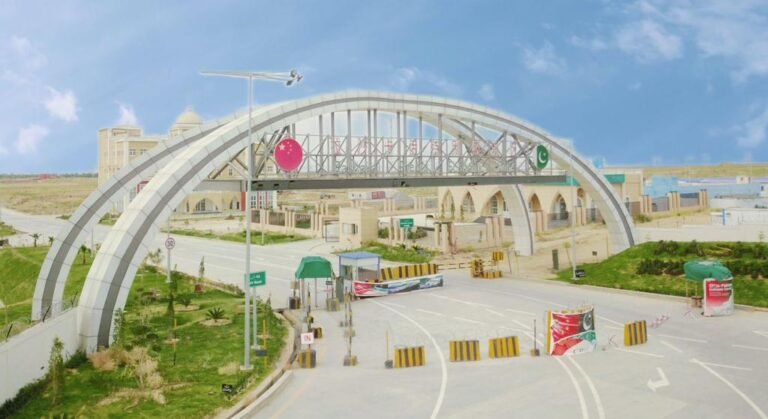
ISLAMABAD, Feb 7 (ABC): Rashakai Special Economic Zone (SEZ) is rolling out investor-friendly policies, fiscal incentives and reliable utility services to attract local and foreign manufacturers, positioning itself as a key driver of Pakistan’s industrial growth under the China-Pakistan Economic Corridor (CPEC).

Officials say the zone combines tax exemptions, long-term land leases and uninterrupted infrastructure to create a business environment that lowers costs and improves operational certainty for investors.

The SEZ has already allocated 102 acres to 26 enterprises, signalling rising industrial activity and growing investor confidence.

Incentives to reduce startup costs

Talking to Wealth Pakistan, Abdul Hameed, Marketing Manager at the Investment Department of the Rashakai Economic Zone Development and Operation Company, said the zone offers a comprehensive package of incentives designed to ensure ease of doing business and long-term sustainability.

He explained that Rashakai SEZ provides a one-time exemption from customs duties and taxes on the import of capital goods. This concession significantly lowers initial setup expenses for factories and manufacturing units.

In addition, investors can avail a 10-year income tax exemption starting from the commencement of commercial operations.

“This makes the zone highly attractive for both domestic and foreign investors,” Hameed said.

Moreover, businesses receive a 99-year land lease, which offers stability and encourages long-term expansion plans.

One-window facility speeds approvals

To further support investors, the zone operates a one-window service system.

The system functions as a one-stop centre for approvals, documentation and regulatory procedures. As a result, companies can shorten processing times and avoid bureaucratic delays.

Hameed said this streamlined approach improves efficiency and helps investors start operations faster.

At the same time, round-the-clock security arrangements ensure a safe and secure environment for industrial activity.

Growing investor interest

Providing an update on investment trends, Hameed said the response from businesses has been encouraging.

So far, 26 enterprises have secured 102 acres of land within the zone. He added that dozens of Chinese companies are actively exploring partnerships with local firms to establish manufacturing units.

Meanwhile, hundreds of domestic enterprises have also expressed strong interest in setting up operations.

Industry observers say this interest reflects increasing confidence in Pakistan’s special economic zones as reliable production hubs.

Reliable utilities and infrastructure

A major attraction for investors is the availability of uninterrupted utilities.

The SEZ currently offers 160 megawatts (MW) of power supply, which authorities plan to expand to 210MW in the long term. In addition, the zone ensures 33 million cubic feet per day (MMCFD) of gas supply to meet industrial demand.

For logistics and storage needs, standardized warehouse facilities covering over 10,000 square metres have already been developed.

Furthermore, an effluent treatment plant with a capacity of 12,000 tons per day supports environmentally sustainable operations and compliance with regulations.

Phased development plan

Rashakai SEZ spans nearly 1,000 acres and is being developed in three phases.

Phase I covers 247 acres, where core infrastructure is already in place. The zone features dedicated internal roads, drainage systems, gas supply lines, 11KV power connectivity and telecom services up to the enterprise level.

It also offers customized workshops, commercial complexes, residential apartments and other supporting facilities to create a complete industrial ecosystem.

Officials say this integrated setup allows companies to operate efficiently within a self-contained environment.

Strategic CPEC advantage

Hameed told Wealth Pakistan that Rashakai SEZ enjoys strategic importance under CPEC, which enhances its attractiveness to Chinese and regional investors.

With modern infrastructure, policy incentives and strong connectivity, the zone is expected to play a central role in boosting exports, creating jobs and promoting regional economic development.

He said the SEZ could become a catalyst for Pakistan’s industrial transformation by supporting value addition and manufacturing growth.

As investment activity accelerates, Rashakai SEZ aims to position itself as one of the country’s leading industrial hubs.

Olive oil, bone broth and chia seeds: Do viral gut health foods work?

0

ISLAMABAD, Feb 7 (ABC): Viral “gut health” foods such as chia seed water, olive oil shots, sea moss gel and bone broth have surged in popularity on social media, with influencers claiming they can improve digestion, boost energy and even enhance mood. However, scientists say many of these trends offer limited proven benefits and may be oversold.

A detailed report published by BBC examined the science behind these so-called gut “superfoods” and found that while some contain useful nutrients, evidence supporting dramatic health claims remains thin.

Experts say maintaining gut health depends more on a balanced diet and lifestyle than on quick fixes.

What is the gut microbiome?

According to BBC science broadcaster Caroline Steel, the gut includes the entire digestive tract, from the mouth to the anus. Inside it lives the gut microbiome — trillions of bacteria, viruses and fungi that help regulate digestion, immunity and even mental wellbeing.

She explains that every person’s microbiome is unique.

“Our gut microbiome is more unique than our fingerprint,” Steel notes, adding that a healthy microbiome helps extract energy from food, regulate blood sugar and strengthen immune defence.

Research also links gut health with improved mood and lower anxiety levels.

However, experts stress that this field is still evolving. Therefore, many online claims go beyond what science currently supports.

Trending foods under scrutiny

Microbiologist Alan Walker and gut health scientist Dr Megan Rossi say many viral foods contain a “small seed of truth.” Yet they caution that these products are often marketed as miracle solutions without strong clinical evidence.

Chia seed water

Chia seeds are rich in fibre. Fibre can feed beneficial gut bacteria and improve bowel regularity.

However, Walker explains that no single fibre source can transform gut health on its own. Different microbes require different fibres, so dietary diversity matters more than any one ingredient.

“There’s no harm in drinking chia seed water,” he says, “but it has little benefit by itself.”

Olive oil shots

Olive oil is widely recognised for its anti-inflammatory and heart-protective properties. It may also help ease constipation.

Still, scientists say drinking olive oil as a concentrated “shot” does not offer special benefits for the gut microbiome.

“There’s no meaningful difference between drinking it straight and adding it to your food,” Walker says.

Sea moss gel

Sea moss gel, a form of seaweed, has become another popular supplement because it contains fibre, vitamins and minerals.

However, Rossi says there is very little scientific evidence supporting claims that it improves gut health.

She also warns against high consumption, especially for people with inflammatory bowel disease. Walker adds that seaweed may contain heavy metals and excess iodine, which could pose health risks if consumed in large amounts.

Bone broth

Bone broth is made by simmering animal bones with vinegar, herbs and vegetables to extract nutrients.

Although it is nutrient-dense and comforting, Walker says most nutrients are absorbed in the small intestine. Meanwhile, most gut microbes live in the large intestine.

Therefore, little of the broth directly benefits the microbiome.

“There’s no strong evidence it has systematic beneficial effects on the gut microbiome,” he explains.

Rossi also warns that high saturated fat levels in some broths could negatively affect cholesterol if fat is not removed.

Kombucha

Kombucha, a fermented tea, may offer more potential benefits.

Rossi says traditional kombucha contains natural acids and antioxidants formed during fermentation. These compounds may support digestive health.

However, she advises consumers to avoid sugary or artificial varieties and choose products with live cultures.

Experts urge balanced approach

Doctors say people should watch for warning signs such as persistent constipation, diarrhoea, excessive gas or ongoing abdominal pain. In such cases, medical advice is more important than following extreme diet trends.

Steel warns that eliminating entire food groups without guidance may do more harm than good.

“If you’ve got a problem with your gut then doing something like cutting out bread isn’t going to heal it,” she says.

She emphasises that most healthy individuals do not need drastic interventions.

Instead, experts recommend simple, sustainable habits. These include eating more plant-based foods, increasing fibre intake and reducing ultra-processed products.

Evidence over hype

Scientists conclude that while viral gut health foods may offer minor benefits, they are not cures.

Rather than chasing trends, people should focus on overall dietary quality and lifestyle choices.

As the BBC report highlights, maintaining a healthy gut relies less on miracle drinks and more on consistent, balanced nutrition.

NHA committee calls for revised cost for Khuzdar–Kuchlak project

0

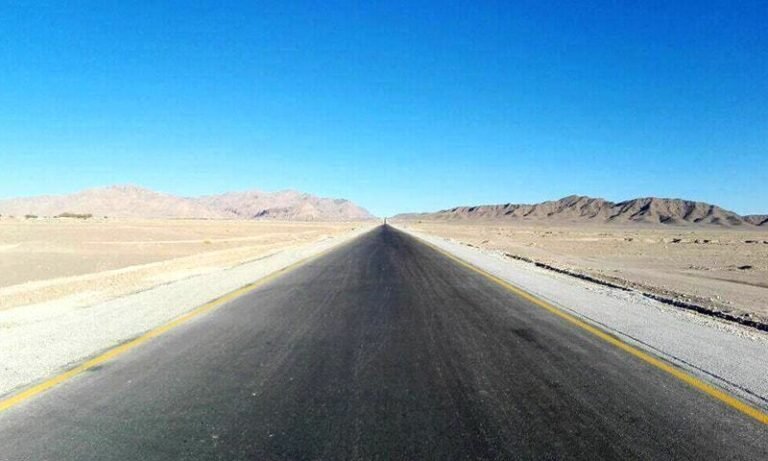
ISLAMABAD, Feb 7 (ABC): The Zonal Committee of the National Highway Authority (NHA) has recommended revising the project cost for Sections I and II of the Khuzdar–Kuchlak dualization scheme on the Balochistan Expressway (N-25), following updated estimates submitted by contractors, according to official documents available with Wealth Pakistan.

The committee reviewed the revised cost proposal after contractors highlighted changes in construction expenses and project requirements. Officials say the updated figures aim to reflect ground realities and ensure the timely completion of the strategically important highway.

Contractors submit revised estimates

According to the documents, the rehabilitation and dualization work has been awarded to M/s SMAD Baloch and M/s Umar Jan in a joint venture with NPI.

After receiving the contractors’ revised cost calculations, the zonal committee recommended that the proposal be reconsidered at higher levels. The revised cost will now be examined in light of observations and comments by the Dispute Resolution Committee (DRC) as well as the Planning and Contract Administration (P&CA) wing.

Officials said this process will help determine the final financial requirements and ensure transparency in cost adjustments.

Major highway upgrade approved

The Khuzdar–Kuchlak project forms part of the broader rehabilitation of the Balochistan Expressway (N-25), one of the province’s most critical transport corridors.

Last year, the Central Development Working Party (CDWP) approved the dualization of the 332-kilometre Khuzdar–Kuchlak stretch at an estimated cost of around Rs100 billion.

Authorities expect the entire project to be completed within two years.

The dual carriageway will replace the existing single road, which often faces congestion, accidents and weather-related disruptions.

Safety and connectivity benefits

A senior official from the NHA’s Engineering Wing told Wealth Pakistan that the dualization of the Khuzdar–Kuchlak section will significantly improve road safety and operational efficiency.

“The project will reduce travel time and lower transportation costs for both passengers and freight,” the official said.

He told Wealth Pakistan that the upgraded road will provide smoother connectivity between Balochistan’s key districts and major national markets.

As a result, trade flows are expected to improve, while tourism and regional economic activity may also receive a boost.

Reducing accidents and improving mobility

The N-25 has long been considered accident-prone due to heavy traffic, narrow lanes and poor road conditions. Therefore, officials believe the new carriageway will help reduce accidents and ensure uninterrupted movement of goods and vehicles.

Improved infrastructure will also support faster emergency response and better law enforcement mobility.

Moreover, year-round accessibility will benefit remote communities, especially during adverse weather conditions when road closures often disrupt travel.

Jobs and local development

Beyond transport benefits, the project is expected to generate employment during the construction phase.

Officials say thousands of direct and indirect jobs may be created, supporting local workers and small businesses.

In the long run, better road connectivity could stimulate investment and contribute to socio-economic development across Balochistan.

Analysts note that improved highways typically strengthen supply chains, reduce logistics costs and integrate remote regions into national markets.

Additional projects underway

Separately, the federal government has also approved the dualization of the 104-kilometre Karoro Wadh–Khuzdar–Chaman section at a cost of Rs133 billion.

An allocation of Rs33 billion has been earmarked for the current fiscal year. However, officials estimate that around Rs50 billion annually will be required over the next two years to complete the project on schedule.

Together, these highway upgrades form part of a broader effort to modernise Balochistan’s road infrastructure and enhance inter-provincial connectivity.

High utility costs begin to clog Karachi’s small industries

0

KARACHI, Feb 7 (ABC): High utility costs are beginning to choke Karachi’s small industries, as rising electricity, gas and water tariffs sharply increase production expenses and force many units to scale back operations or consider shutdowns, industry representatives say.

Small and medium-sized enterprises (SMEs) across the city’s major industrial zones report that energy and water bills have doubled, and in some cases tripled, over the past few years. As a result, factory owners say survival has become increasingly difficult.

Industrial clusters in Korangi, SITE, Landhi, North Karachi and Baldia appear to be the worst affected.

Electricity tariffs hit hardest

Entrepreneurs say electricity has become their single largest expense.

Higher base tariffs, combined with multiple taxes, fuel adjustments and surcharges, now exceed labour and raw material costs for many units. Consequently, profit margins have shrunk sharply.

“Small industries simply cannot absorb these costs,” said Muneeb Hussain, a small entrepreneur in SITE.

“Unlike large exporters, we have limited margins and no access to subsidised energy. High utility charges are eroding our competitiveness and pushing businesses into losses,” he told Wealth Pakistan.

He added that frequent price hikes make planning and budgeting almost impossible for small manufacturers.

Gas shortages worsen production

At the same time, gas shortages have further complicated operations.

Many small units rely on gas to run boilers and heating processes. However, inconsistent supply, low pressure and sudden shutdowns disrupt daily production schedules.

Therefore, factory owners often turn to alternative fuels such as diesel or furnace oil. These options, however, significantly increase operating costs.

“Frequent gas shutdowns force us to use generators and expensive fuels,” Muneeb said. “Diesel and furnace oil add to costs at a time when demand remains uncertain.”

Industry experts say this shift not only raises expenses but also reduces efficiency.

Water scarcity adds another burden

Water shortages present yet another challenge.

Several industrial areas receive insufficient municipal supply. Consequently, factories must purchase water from private tankers at high prices.

For units engaged in textiles, leather, food processing and chemicals, water remains a critical input. Therefore, rising tanker rates directly inflate production costs.

“Water shortages and rising tanker prices are another major problem,” Muneeb noted. “For many small units, water costs have become unsustainable.”

Workers feel the impact

The effects of rising utility costs extend beyond factory owners.

Reduced production has already led to layoffs, shorter work shifts and delayed wage payments. Workers, many of whom rely on daily earnings, face increasing financial stress.

“When factories slow down, livelihoods are directly affected,” said Junaid Memon, a factory owner in Korangi Industrial Area.

He told Wealth Pakistan that smaller businesses often lack financial buffers. Therefore, even minor disruptions can halt operations.

Exports losing competitiveness

Export-oriented small businesses also struggle to compete internationally.

Higher energy tariffs make Pakistani products more expensive than those from regional competitors such as Bangladesh, Vietnam and India. These countries offer targeted subsidies and more stable utility pricing for small industries.

As a result, local manufacturers risk losing orders to overseas rivals.

Industry representatives warn that unless costs are rationalised, Pakistan’s small exporters may gradually lose their foothold in global markets.

Trade bodies seek relief

Business associations have repeatedly urged the government to intervene.

The Karachi Chamber of Commerce and Industry (KCCI) and other trade bodies have called on federal and provincial authorities to rationalise tariffs and introduce special relief packages for SMEs.

Their proposals include reduced electricity rates during off-peak hours, restoration of uninterrupted gas supply and removal of excessive surcharges and taxes on utility bills.

Some industrialists are exploring solar power to cut energy costs. However, high upfront installation expenses and limited space in congested industrial zones remain major obstacles.

Economic risks for Karachi

Entrepreneurs warn that ignoring small industries could damage Karachi’s broader economy.

“Small units contribute significantly to employment, value addition and supply chains linked to larger exporters,” Junaid told Wealth Pakistan. “If these industries collapse, recovery will be difficult.”

Analysts note that SMEs form the backbone of Karachi’s manufacturing sector. Therefore, sustained pressure from high utility costs could slow industrial activity, reduce exports and increase unemployment.

For many small factory owners, timely policy support may determine whether they survive or shut down.

FBR proposes Customs Rules amendments to streamline exports

0

ISLAMABAD, Feb 7 (ABC): The Federal Board of Revenue (FBR) has proposed amendments to the Customs Rules to streamline the Export Facilitation Scheme (EFS), improve operational efficiency and strengthen regulatory oversight of importers and exporters, according to an official document available with Wealth Pakistan.

The draft amendments, issued under S.R.O. 211(I)/2026, aim to simplify procedures for export-oriented businesses while tightening compliance and accountability within Pakistan’s export regime.

Officials say the changes will make the Export Facilitation Scheme clearer and more efficient. At the same time, they will ensure better monitoring of duty-free imports linked to export production.

Shift from utilization to authorization

Among the key proposals is a significant revision to Rule 875.

Under the amendment, the word “utilization” will be replaced with “authorization.” This change signals a shift in the regulatory approach to input goods used in export manufacturing.

According to the document, the new wording will clarify approval procedures for companies operating under the EFS. As a result, exporters will follow a more structured authorization process before using imported inputs for production.

Officials believe this step will reduce ambiguity and improve transparency.

New conditions for duty-free imports

In addition, Rule 878 will introduce a new sub-rule (5) that sets clear conditions for exporting goods under the scheme.

The proposed provision will allow users to import duty-free goods based on the value of input materials already consumed in export production. However, the total value must remain within the limits prescribed under existing rules.

This measure aims to align duty-free imports more closely with actual export performance. Consequently, authorities expect better tracking of raw material usage and reduced misuse of concessions.

Stronger compliance requirements

The amendments also propose updates to acquisition procedures for International Operating Companies (IOCs) and Importers or Exporters (IOREs).

These changes will reinforce compliance requirements for both imports and exports. Moreover, they will standardise documentation and monitoring practices across the supply chain.

Officials say stricter compliance will protect revenue while facilitating genuine exporters.

Faster dispute resolution

Meanwhile, Rule 879 will introduce a new clause requiring appeals to be filed with the relevant Chief Collector within 30 days of issuance.

The move seeks to ensure quicker resolution of export-related disputes. By setting a clear deadline, authorities aim to reduce delays and provide faster decisions for businesses.

Exporters have long called for speedier dispute settlement to avoid disruptions to shipments and cash flows.

Simplified procedures for exporters

Another proposed change relates to Rule 887.

The FBR plans to remove the phrase “after expiry of utilization period.” Officials say this step will simplify the regulatory framework and provide clearer guidance to exporters.

By eliminating complex wording, the amendment is expected to make compliance easier and reduce interpretation issues.

Stakeholder feedback invited

The FBR has invited stakeholders and the general public to submit objections or suggestions within seven days of the notification’s publication.

After reviewing feedback, the board will finalise the amendments.

Officials say the proposed reforms aim to improve clarity, efficiency and regulatory certainty. Ultimately, they expect the revised Export Facilitation Scheme to support Pakistan’s export growth and make it easier for businesses to compete in international markets.

World denounces Imambargah bombing in Pakistan

0

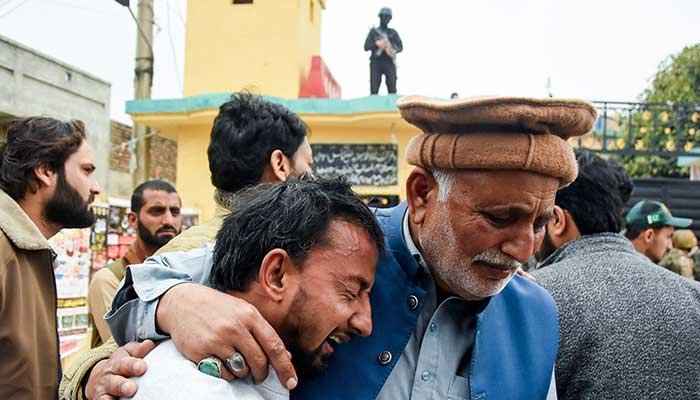
ISLAMABAD, Feb 7 (ABC): Condemnations from across the world poured in on Friday after a devastating suicide bombing struck Imambargah Khadijah al-Kubra in Islamabad’s Tarlai area, killing at least 31 worshippers and injuring dozens during Friday prayers, prompting governments, diplomats and international organisations to express solidarity with Pakistan and renew calls for decisive action against terrorism.

The United Nations led the international response. Secretary-General António Guterres condemned the attack in the strongest terms and said assaults on civilians and places of worship were unacceptable under any circumstances. He stressed that those responsible must be identified and brought to justice, while reaffirming the UN’s full support for Pakistan’s efforts to combat terrorism and violent extremism.

The United States also issued a strong statement. The US Embassy in Islamabad said all acts of terror and violence were unacceptable and could never be justified. Charge d’Affaires Natalie A. Baker extended sincere condolences to the families of those killed and wished a speedy recovery to the injured. The embassy reiterated that Washington stood with Islamabad and remained committed to advancing peace, security and stability through its bilateral partnership with Pakistan.

Similarly, the United Kingdom expressed outrage over the tragedy. British High Commissioner Jane Marriott said she was “outraged and heartbroken” by the horrific attack at the imambargah during prayers. She described such violence as abhorrent and extended thoughts and prayers to the victims and their families, while conveying solidarity with the Pakistani people.

The Chinese Embassy conveyed deep sorrow over the loss of innocent lives. In its message, China extended heartfelt condolences to the victims and expressed sympathy for their families. The embassy emphasised that Beijing stands firmly with its Pakistani brothers and sisters and supports Pakistan’s efforts to safeguard peace and security.

From the region, Iran strongly condemned the bombing. Ambassador Reza Amiri Moghadam described the explosion as a hideous terrorist act that resulted in the martyrdom and injury of innocent civilians. He said the government and people of Iran stood with Pakistan during this painful moment.

Turkiye’s Ministry of Foreign Affairs also condemned the attack in the strongest terms. Ankara extended condolences to the bereaved families and reaffirmed its solidarity with Pakistan in the fight against terrorism.

The European Union joined the chorus of condemnation. EU Ambassador Raimundas Karoblis said he was deeply shocked by what he termed a heinous act of violence. He reiterated that the EU strongly opposes terrorism and violent extremism in all forms and expressed sympathy with the victims.

Meanwhile, Afghanistan’s Ministry of Foreign Affairs denounced the suicide bombing and said such attacks violated the sanctity of mosques and sacred rituals. Spokesperson Abdul Qahar Balkhi said targeting worshippers and innocent civilians was unacceptable and deserved universal condemnation.

Several other countries and diplomatic missions also issued messages of support and sympathy, underscoring broad international backing for Pakistan during the national tragedy.

Emergency response

While the world reacted with grief and anger, authorities in Islamabad continued rescue and security operations at the blast site.

According to eyewitnesses, the attacker approached the imambargah entrance shortly before prayers. He first opened fire to create panic and then attempted to force his way inside. Security guards intercepted him at the main gate. Moments later, he detonated explosives strapped to his body, triggering a powerful explosion that shook the surrounding neighbourhood.

The blast tore through the entrance area, shattering windows and damaging nearby structures. Worshippers rushed to safety as smoke and dust filled the compound. Several people fell unconscious, while others suffered shrapnel wounds and burns.

Emergency services responded quickly. Rescue teams reached the scene within minutes and shifted the injured to multiple hospitals across the capital. All major hospitals declared an emergency and mobilised additional doctors, nurses and paramedics to treat the wounded. Blood donation appeals were also issued to meet urgent medical needs.

Officials said at least 31 people were killed on the spot or succumbed to their injuries later, while dozens remained hospitalised. Authorities fear the death toll could rise as several victims are in critical condition.

Meanwhile, security forces cordoned off the entire area and launched a search operation. Forensic teams began collecting evidence, and investigators examined CCTV footage to trace the network behind the attack.

Pakistan’s leadership responds

President Asif Ali Zardari expressed deep grief and sorrow over the loss of lives. He offered condolences to the bereaved families and prayed for patience and strength for those affected.

Prime Minister Shehbaz Sharif also condemned the attack and described it as a cowardly act of terror. He ordered authorities to immediately identify, arrest and punish those responsible. The prime minister reaffirmed that the state would not allow extremists to destabilise the country or target innocent citizens.

Renewed resolve against terrorism

The Imambargah bombing has once again highlighted the persistent threat posed by militant groups targeting civilians and places of worship. However, the strong and unified international reaction reflects growing global support for Pakistan’s counterterrorism efforts.

Diplomats said such attacks aim to spread fear and division, yet the solidarity shown by the international community sends a clear message that terrorism will not succeed.

As investigations continue, Pakistan remains on high alert. At the same time, messages of sympathy from around the world continue to pour in, reinforcing a shared commitment to peace, security and the protection of innocent lives.

Iran–US nuclear talks in Oman seen as ‘good start’

0

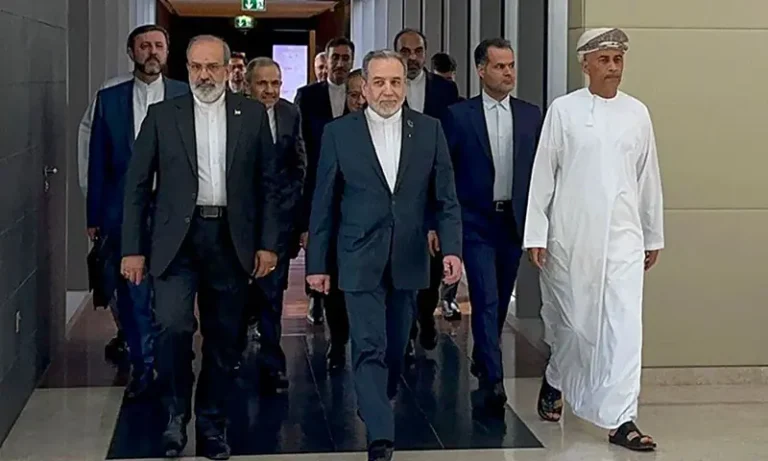
OMAN, Feb 06 (ABC): High-stakes nuclear talks between Iran and the United States resumed in Oman on Friday, with both sides describing the discussions as a positive first step toward reviving diplomacy and avoiding another conflict in the Middle East.

Iranian Foreign Minister Abbas Araghchi said the negotiations began on a constructive note and would continue after further consultations in both capitals.

“It was a good start to the negotiations. There is an understanding on continuing the talks,” he told Iranian state television. “If this process continues, we can reach a workable framework.”

Officials from Tehran and Washington held indirect talks in Muscat through Omani mediation. After the meeting, both delegations returned home to coordinate the next phase.

Talks focus on nuclear issue only

However, differences remain over the scope of negotiations. Iran insists the dialogue will focus strictly on its nuclear programme.

Araghchi told Iran’s state news agency that talks must proceed without threats or pressure. He added that Tehran would not discuss missiles or regional policies with the United States.

“We only discuss the nuclear issue. No other subject is on the table,” he said.

Iranian officials have repeatedly ruled out any negotiations on their ballistic missile programme. They also demand recognition of Iran’s right to enrich uranium for peaceful purposes.

US seeks broader agenda

In contrast, Washington wants the talks to cover more than uranium enrichment. US Secretary of State Marco Rubio said the United States hopes to address Iran’s missile capabilities, its support for armed groups in the region and domestic human rights concerns.

For the US, uranium enrichment inside Iran remains a red line. American officials argue that such activity could shorten the time needed to develop nuclear weapons capability.

The gap between both sides has created mistrust. Araghchi acknowledged that rebuilding confidence would be one of the biggest challenges.

“The lack of trust is a huge obstacle and must be overcome,” he said.

Military tensions heighten risks

Meanwhile, tensions remain high in the region. The US Navy has increased its presence near Iran, while President Donald Trump has warned that “bad things” could happen if no deal is reached.

Last year, the United States struck Iranian nuclear targets during the final phase of a 12-day Israeli bombing campaign. Tehran later said its enrichment activities had stopped.

Nevertheless, the recent military buildup has raised fears of another confrontation.

Regional governments and world powers worry that failed diplomacy could trigger open conflict between Washington and Tehran. Such a clash could disrupt the oil-rich Gulf and affect global energy markets.

Iran shows mixed signals

Ahead of the talks, Iran displayed defiance by announcing the deployment of one of its most advanced long-range ballistic missiles, the Khorramshahr-4, at an underground military site.

At the same time, Iranian officials hinted at flexibility on uranium enrichment. According to reports, Tehran may consider handing over around 400 kilogrammes of highly enriched uranium and even accept zero enrichment under an international consortium arrangement.

However, Iran has set a key condition. It demands the removal of sanctions reimposed after the US withdrew from the 2015 nuclear deal in 2018.

Global concerns grow

The US, European allies and Israel accuse Iran of using its nuclear programme as a cover to pursue weapons capability. Tehran denies the allegation and says its programme is strictly peaceful.

Israel remains particularly concerned. Prime Minister Benjamin Netanyahu has repeatedly warned that both Iran’s missile stockpile and nuclear ambitions pose a serious threat.

Diplomats say negotiators in Oman now face a delicate task. They must bridge deep disagreements while preventing further escalation.

For now, both sides appear willing to keep talking. Observers say sustained diplomacy offers the best chance to reduce tensions and avoid another war in the Middle East.

Dedicated secretariat set up to speed up seed approvals

0

ISLAMABAD, Feb 07 (ABC): The Ministry of National Food Security and Research has streamlined its pest risk analysis and seed approval process to ensure the timely availability of quality seeds across the country. At the same time, it has kept strict regulatory checks in place to maintain safety standards.

According to official documents available with Wealth Pakistan, the government has taken several administrative and digital measures to speed up seed approvals and reduce procedural delays.

Secretariat formed to fast-track approvals

First, the National Seed Development and Regulatory Authority and the Federal Seed Certification and Registration Department have revised the composition of the Variety Evaluation Committee (VEC). In addition, they have established a dedicated Variety Evaluation Committee Secretariat to handle approvals more efficiently.

Moreover, authorities are digitising the committee’s operations. This step aims to improve transparency, track applications in real time and minimize delays in seed evaluation.

Pest risk analysis remains mandatory

However, the documents available with Wealth Pakistan clarified that every commodity must still undergo a pest risk analysis before import approval. The timeline largely depends on how quickly exporting countries provide complete technical data.

The assessment examines pest biology, ecology, host range and mitigation measures adopted in the country of origin. It also evaluates possible economic and environmental risks.

Therefore, the process ensures that imported seeds and plant materials do not threaten local crops or ecosystems.

Imports regulated under quarantine rules

Plant and plant material imports are regulated under the Plant Quarantine Rules (PQR) 2019 and the guidelines of the International Plant Protection Convention. Imports are allowed for both commercial and research purposes.

However, commercial shipments require a formal pest risk analysis under Rule 10 of PQR 2019. This scientific evaluation prevents the introduction of quarantine pests and limits the spread of regulated non-quarantine pests.

Clear timelines for clearance

According to the documents, completing a pest risk analysis may take several months. In some cases, it can take one to two years, depending on the crop, commodity and exporting country.

Once market access is approved, authorities release consignments within one to two working days. This clearance occurs only after documents are verified and inspections confirm the goods are pest-free, as required under Rules 45 and 46 of PQR 2019.

Special rules for research imports

Meanwhile, imports for research fall under Rule 3 of PQR 2019. Importers must maintain a post-entry quarantine facility to grow or test plant material safely. They must also comply with minimum safety conditions to prevent pest introduction.

If a valid post-entry quarantine licence is available and all requirements are met, officials process applications on the same day after payment of the fee. Similarly, they release goods the same day once inspections confirm compliance.

Dozens martyred in suicide blast at Islamabad imambargah

0

ISLAMABAD, Feb 6 (ABC): At least 31 worshippers were martyred and 169 others injured when a suicide bomber detonated explosives inside an imambargah during Friday prayers in Islamabad’s Tarlai area, officials confirmed on Friday. The attack targeted Imambargah Khadijah al-Kubra and caused heavy casualties among congregants.

Witnesses said the attacker tried to enter the premises during prayers but security guards challenged him at the main gate. The suspect opened fire and then ran nearly 20 metres inside the compound before blowing himself up near the last rows of worshippers.

Blood-stained carpets, shattered glass and scattered debris marked the site as panicked worshippers rushed the injured outside and called for help.

Immediate rescue and emergency response

Rescue teams, police and security forces reached the site within minutes. Authorities shifted bodies and the wounded to the Pakistan Institute of Medical Sciences (PIMS), Polyclinic Hospital and the Capital Development Authority (CDA) Hospital.

Hospital administrations declared emergencies and cancelled the leaves of doctors, nurses and paramedical staff.

PIMS officials confirmed receiving at least 18 bodies and more than 78 injured. Meanwhile, Rawalpindi’s Benazir Bhutto Hospital treated four injured, where one later succumbed to injuries. Punjab also dispatched 25 ambulances to support rescue efforts.

Federal Health Minister Mustafa Kamal said emergency services were fully operational and directed hospitals to utilise all available resources. He warned that negligence in treatment would not be tolerated.

Security forces seal area, probe begins

Law enforcement agencies, including Pakistan Army troops and Rangers, cordoned off the area and launched a full-scale investigation. Police collected forensic evidence from the scene.

According to police sources, the attack appeared linked to militants associated with “Fitna al-Khawarij,” though no group immediately claimed responsibility.

Islamabad Capital Territory Police spokesperson Taqi Jawad confirmed that a relative of the Islamabad Inspector General of Police was among the martyrs.

Suspect’s travel history under scrutiny

Officials said authorities identified the suicide bomber through forensic analysis. Minister of State for Interior Talal Chaudhry stated that the attacker was not an Afghan national but had travelled to Afghanistan multiple times.

Defence Minister Khawaja Asif said preliminary investigations suggested possible cross-border links. He alleged that hostile elements were using proxies to destabilise Pakistan and vowed a strong state response.

“The state will respond to this brutality with full force,” he said.

Leadership condemns attack

President Asif Ali Zardari expressed deep sorrow and extended condolences to the families of the victims. He termed the targeting of worshippers a crime against humanity and assured the nation’s solidarity with affected families.

Prime Minister Shehbaz Sharif also condemned the bombing and directed authorities to conduct a thorough investigation. He instructed the health minister to personally oversee medical treatment for the injured and ensure immediate relief.

Deputy Prime Minister and Foreign Minister Ishaq Dar described the attack as a blatant violation of Islamic principles and said Pakistan would not allow terrorists to spread fear.

Opposition leaders, federal ministers and foreign diplomats, including Iran’s ambassador to Pakistan, also condemned the blast. The United States, the United Kingdom and several other countries expressed solidarity with Pakistan.

Rising security concerns

The attack has renewed concerns over the safety of religious gatherings in the federal capital. Security has been tightened at mosques and imambargahs across Islamabad and Rawalpindi. Police have increased patrols and reviewed standard operating procedures to prevent further incidents.

Authorities said investigations are ongoing and those responsible will be brought to justice.