
Home Blog Page 46

UN report flags rising cross-border terror threat to Pakistan

0

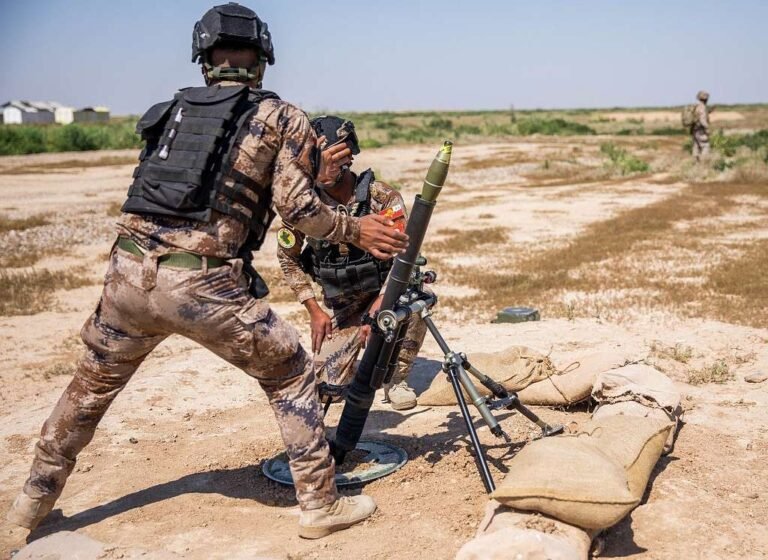
ISLAMABAD, Feb 10 (ABC): The United Nations has warned that Pakistan is facing an escalating cross-border terrorism threat as Tehrik-e Taliban Pakistan (TTP) steps up attacks from Afghan territory, with militants gaining access to advanced weapons that are increasing the lethality of assaults on security forces and strategic projects.

In its latest report submitted to the UN Security Council, the Analytical Support and Sanctions Monitoring Team said the global terrorist threat has intensified across several regions, including South Asia, where Pakistan remains directly exposed to militant activity spilling over from Afghanistan.

The report noted a rise in attacks inside Pakistan launched by TTP operatives based across the border, leading to repeated military exchanges and heightened tensions in the region.

TTP activity expanding

According to the assessment, TTP continues to operate as one of the largest militant groups present in Afghanistan and has been able to expand its operations against Pakistani state institutions and security forces.

The group’s attacks are becoming more frequent and increasingly complex. Some recent assaults involved larger numbers of fighters and better coordination, indicating improved planning and operational capacity.

Security analysts say this shift poses fresh challenges for Pakistan’s border management and internal security framework.

Advanced weapons increase risks

The UN report also flagged the growing availability of modern weapons to militant groups.

It said fighters are now using advanced assault rifles, night-vision and thermal-imaging devices, sniper systems and drone-based attack capabilities. Such equipment allows militants to conduct surveillance, strike with greater precision and operate effectively at night.

Officials believe these developments have made recent attacks deadlier and more difficult to counter.

Threats to CPEC projects

Besides TTP, the report also highlighted the activities of the Baloch Liberation Army (BLA), which has targeted Pakistani security forces and projects linked to the China-Pakistan Economic Corridor (CPEC).

The group has carried out attacks on convoys and infrastructure along the corridor, raising concerns about the security of key economic and development initiatives.

Authorities view these attacks as attempts to disrupt investment and slow Pakistan’s economic progress.

Regional spillover a concern

The UN warned that instability in Afghanistan continues to provide space for multiple armed groups, increasing the risk of cross-border violence and complicating regional security.

Experts say Pakistan remains on the frontline of this evolving threat environment due to its geographic location and strategic importance.

Despite the challenges, Pakistani security forces have stepped up counter-terrorism operations to dismantle militant networks and safeguard both citizens and critical infrastructure.

The report underscores the need for sustained regional cooperation to address the sources of militancy and prevent further spillover into neighbouring countries.


Pakistan defeat USA by 32 runs in T20 World Cup clash

0

COLOMBO, Feb 10 (ABC): A disciplined all-round performance from batters and bowlers powered Pakistan to a convincing 32-run victory over the United States of America (USA) in the 12th match of the ICC Men’s T20 World Cup 2026 at Colombo’s Sinhalese Sports Club (SSC) Ground on Tuesday.

Defending a challenging target of 191 runs, Pakistan restricted the USA to 158/8 in their allotted 20 overs to secure their second straight win of the tournament.

The victory also helped Pakistan avenge their shock defeat to the USA in the previous edition of the World Cup two years ago.


Farhan, Babar lay strong foundation

After USA captain Monank Patel opted to field first, Pakistan openers Sahibzada Farhan and Saim Ayub provided an aggressive start.

The pair added 54 runs in just five overs and took full advantage of the powerplay.

Ayub scored a quick 19 off 17 balls with two sixes and a four before falling in the sixth over. Captain Salman Ali Agha followed soon after for just one, as Shadley van Schalkwyk struck twice to bring the USA back into the contest.

Star batter Babar Azam then joined Farhan at the crease. The experienced duo stabilised the innings and rotated strike smartly. They built a crucial 81-run partnership for the third wicket to rebuild momentum.

Babar played fluently and scored 46 off 32 balls, hitting four boundaries and a six before Mohammad Mohsin dismissed him in the 15th over.

Farhan continued his attacking approach and remained the top scorer. He smashed a brilliant 73 off 41 balls, studded with six fours and five sixes. During the knock, he also completed 1,000 T20 international runs.


Late flourish pushes Pakistan to 190

After the top-order effort, Shadab Khan accelerated the scoring in the death overs. He blasted 30 off just 12 balls, including four fours and a six.

However, Pakistan lost wickets quickly towards the end and slipped from a strong position. The team eventually finished at 190/9 in 20 overs.

For the USA, Shadley van Schalkwyk stood out with the ball. He claimed four wickets for 25 runs in his four overs. Saurabh Netravalkar, Mohsin and Harmeet Singh picked up one wicket each.


USA start well but lose momentum

Chasing 191, the USA began positively. Openers Andries Gous and Shayan Jahangir added 42 runs at a brisk pace.

Mohammad Nawaz broke the partnership by dismissing Gous for 13. The wicket slowed the scoring rate.

Captain Monank Patel struggled to anchor the innings and managed only three runs before Shadab Khan removed him.

Shadab struck again in the next over to dismiss the well-set Shayan, who scored 49 off 34 balls with five fours and two sixes.


Tariq, Shadab lead Pakistan’s bowling charge

With the USA under pressure, Shubham Ranjane and Milind Kumar attempted a recovery. The pair added 54 runs for the fourth wicket to keep hopes alive.

Usman Tariq broke the stand by dismissing Kumar for 29 in the 16th over. That breakthrough triggered a collapse.

Pakistan bowlers tightened their grip and removed wickets at regular intervals. Ranjane fought back with an aggressive 51 off 29 balls, hitting three sixes and three fours, but Shaheen Shah Afridi dismissed him in the final over.

The USA eventually closed at 158/8.

Tariq spearheaded Pakistan’s bowling with impressive figures of 3/27. Shadab Khan supported him with 2/26. Nawaz, Abrar Ahmed and Shaheen Afridi took one wicket each.


Afridi completes 100 T20I matches

The match also marked a personal milestone for Shaheen Shah Afridi, who completed 100 T20 internationals for Pakistan. Before the game, fellow pacer Naseem Shah presented him with a commemorative cap.


Tournament backdrop

The T20 World Cup, co-hosted by India and Sri Lanka, began on February 7. However, the event saw off-field developments after Bangladesh withdrew from playing matches in India over security concerns and was replaced by Scotland.

Following consultations between the International Cricket Council (ICC) and participating boards, Pakistan later decided to continue participation to protect the spirit of the game.


With back-to-back victories, Pakistan have strengthened their position in Group A and boosted confidence ahead of the upcoming fixtures in the tournament.

Farmers in Punjab shift to broccoli cultivation as demand rises

0

LAHORE, Feb 10 (ABC): Sensing a lucrative opportunity, progressive farmers in Punjab are increasingly turning to broccoli cultivation as demand for the vegetable rises among upper-income consumers in major urban centres.

Although broccoli remains a niche crop compared to traditional vegetables such as cauliflower and cabbage, its presence in the market has expanded in recent years. The vegetable is now widely available at major supermarkets, specialised vegetable outlets, and online platforms catering to urban consumers.

Cultivation spreading beyond Lahore

At present, broccoli is being cultivated mainly on the outskirts of major cities, particularly Lahore. Farmers have also started growing the crop in Sheikhupura, Kasur, Sahiwal, and Pakpattan districts, where climatic conditions during winter favour its production.

“This is a profitable crop. There is a strong demand for broccoli in Lahore, Islamabad, and Karachi,” said Pir Mehmoud Chishti, a broccoli grower from village Tibba Sherkot in Pakpattan district.

Talking to Wealth Pakistan, Chishti said that while prices are attractive, growers face uncertainty due to the absence of a well-developed marketing network for the exotic vegetable.

Prices attractive but market remains limited

According to growers, the retail price of broccoli currently ranges between Rs400 and Rs700 per 500 grams. This is significantly higher than prices of traditional vegetables such as cauliflower or cabbage.

Despite the premium prices, Chishti said imported seed remains the highest cost component in broccoli cultivation. He added that marketing also poses a major challenge, as the vegetable is still unfamiliar to a large segment of the population.

“Because broccoli is not commonly used by the general public, its market is limited,” he explained.

He said the main buyers include high-end hotels, departmental stores, and selected vegetable shops in large cities such as Lahore, Karachi, and Islamabad. Some farms also sell broccoli directly to affluent households through online platforms, where it is mainly used in salads.

“You cannot supply broccoli in large quantities. Sending small volumes is more profitable because demand is limited. In case of oversupply, growers face losses,” he added.

Green variety dominates local production

Several varieties of broccoli are currently being cultivated in Pakistan, with the green variety being the most popular among growers and consumers.

Often described as a superfood, broccoli is primarily grown during the cool season, from September to March. Farmers say the crop performs best during winter, when lower temperatures support healthy growth and better yields.

Imported seed drives up production costs

Vegetable seed dealers say all broccoli seed used in Pakistan is imported from countries including Holland, Japan, China, and Thailand.

“A 10-gram packet costs around Rs3,000, making broccoli cultivation an expensive venture,” said Tahir Saleemi, a vegetable seed dealer.

Talking to Wealth Pakistan, he said that developing local broccoli varieties could significantly reduce production costs and encourage more farmers to adopt the crop.

Research efforts underway for local seed

Efforts are ongoing to develop local broccoli varieties, but progress has been slow due to climatic constraints.

“The seed production phase of broccoli falls in late March and April. Because of high temperatures during this period, we have not yet succeeded in developing a local variety,” said Wajeeha Khan, a broccoli expert at the Vegetable Research Institute.

Talking to Wealth Pakistan, she said scientists at the institute are experimenting with different sowing windows to overcome the temperature challenge.

“Hopefully, we will succeed in developing a local broccoli variety in the future,” she added.

Punjab suitable for winter broccoli cultivation

According to Khan, broccoli requires low temperatures for optimal production. This makes the entire Punjab province suitable for its cultivation during winter.

“It can easily be grown alongside cauliflower and cabbage in the same field,” she said.

Unlike traditional vegetables, broccoli is usually cultivated on small plots, sometimes on less than an acre. Despite the limited area, growers report much higher returns compared to conventional crops.

Health benefits fuel rising demand

Nutritionists say broccoli’s growing popularity is also driven by its health benefits.

The vegetable is rich in fibre, vitamins C, K, and A, and compounds such as sulforaphane, which make it a nutrient-dense food.

“It supports heart health, boosts immunity, and strengthens bones,” said Syed Ali Haider, a nutritionist at a hospital in Lahore.

Talking to Wealth Pakistan, he said broccoli contains antioxidants and bioactive compounds that help reduce cancer risk, aid digestion, and offer low-calorie, anti-inflammatory, and detoxifying benefits.

Pakistan faces growing child eye cancer burden

0

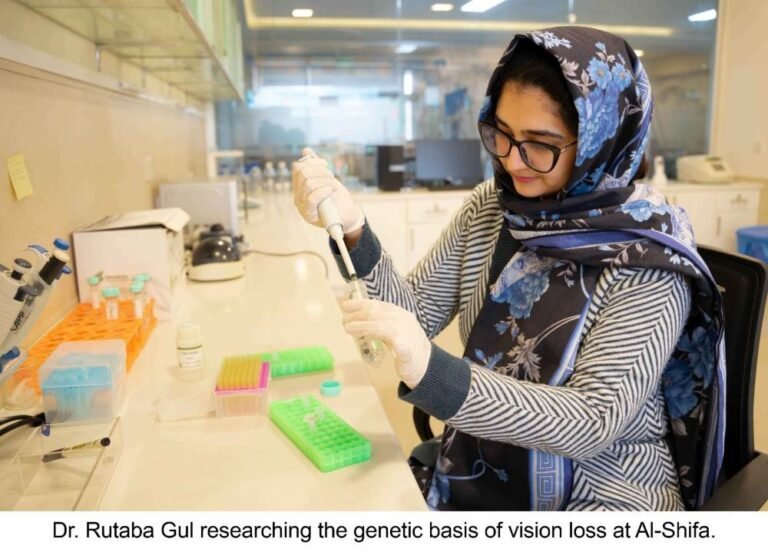
RAWALPINDI, Feb 9 (ABC): Pakistan faces a growing child eye cancer burden and a high rate of inherited vision disorders. Al-Shifa Trust Eye Hospital has completed genetic testing for 139 patients from 91 families in one year.

The hospital launched the country’s first ophthalmic genetic testing lab in January 2025. The facility helps doctors identify genes that cause inherited blindness. Early detection improves treatment and protects children’s sight.

Dr Rutaba Gul, Geneticist at the Department of Ophthalmic Genetics, said inherited eye diseases affect nearly eight million people worldwide. However, Pakistan’s burden remains higher than the global average. She noted that no official national data currently exists.

Genetic testing enables early diagnosis

Doctors at the lab use advanced DNA testing to confirm the exact cause of eye disorders. The method provides faster and more accurate results. It also helps doctors plan targeted treatment.

Eye specialists refer patients based on symptoms and family history. After confirmation, families receive counseling about risks and future planning. This guidance helps prevent complications in other family members.

Early diagnosis also reduces the risk of severe vision loss and blindness.

Cousin marriages increase inherited risks

Health experts link the high rate of inherited diseases to cousin marriages. Such marriages remain common in many regions of Pakistan.

Research shows that more than 70 percent of inherited retinal disease cases occur in children born to closely related parents. Therefore, these disorders appear more frequently in Pakistan than in Europe, the United States, or other Asian countries.

Doctors encourage awareness and genetic counseling to lower future risks.

Hospitals treat 700 child eye cancer cases yearly

Prof Dr Tayyab Afghani, Head of the Orbit and Oculoplastics Department, said Pakistan also carries a heavy child eye cancer burden. Al-Shifa Trust hospitals treat around 700 children with eye cancer every year.

He said this number is nearly double the cases reported in India. Doctors stress that early detection improves survival rates and saves vision.

Free care and national expansion planned

Major General (Retd) Rehmat Khan, President of Al-Shifa Trust, said the hospital provides all genetic tests free of charge. The trust absorbs the high costs to support poor families.

Nearly 80 percent of patients receive free treatment at Al-Shifa hospitals in Rawalpindi, Chakwal, Kohat, Sukkur, Muzaffarabad, and Gilgit. The trust will open a new hospital in Lahore by 2027.

He added that the hospital plans to expand testing services and create a national database. The database will support early screening and future research.

Chinese hybrid rice, canola varieties lift yields in Pakistan

0

ISLAMABAD, Feb 09 (ABC): Chinese agricultural technologies are transforming Pakistan’s farming sector by increasing crop yields, reducing post-harvest losses, and creating new income opportunities for rural communities.

Talking to Wealth Pakistan, Zhou Xusheng, Country Director of Wuhan Qingfa Hesheng Agricultural Development Company, said Chinese hybrid seeds and modern machinery are helping farmers produce more food with fewer inputs.

Hybrid rice improves exports and farm productivity

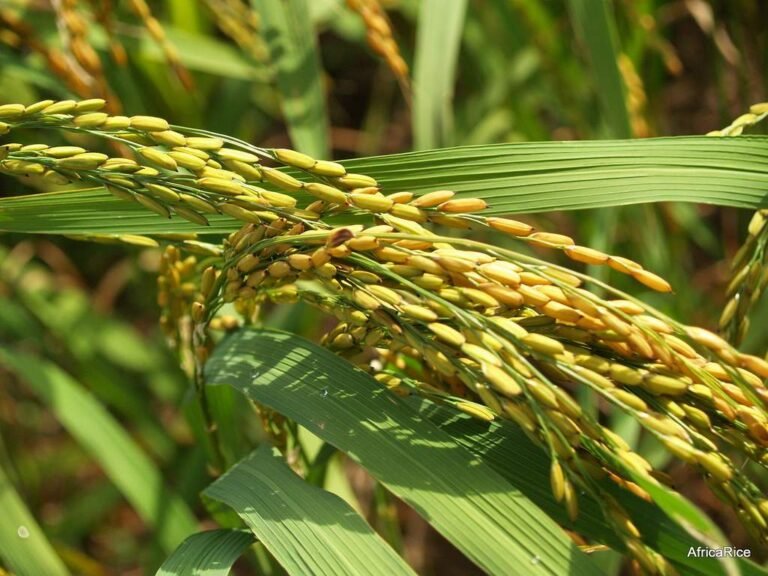
Zhou said one of the earliest successes came through hybrid rice cultivation. He noted that Pakistan has moved from being the world’s seventh-largest rice exporter to fourth place and is now approaching third.

Since arriving in Pakistan in 2010, Zhou has overseen the expansion of hybrid rice adoption. According to him, the technology has increased average rice yields from 50–60 mounds per acre to 90–100 mounds. In some areas, farmers are achieving even higher output.

He said hybrid rice has strengthened Pakistan’s export capacity while generating employment across the seed supply chain, agrochemical marketing, cultivation, processing, and overseas sales.

Moreover, future cooperation will focus on improving grain quality. Chinese varieties fetch higher prices in international markets and can help Pakistani exporters access premium buyers.

Hybrid canola reduces oil imports

Alongside rice, Zhou highlighted edible oil as a major national challenge. Pakistan currently imports nearly 90 percent of its edible oil and spends about $4 billion annually.

He said that after nearly a decade of joint research, Pakistan registered its first hybrid canola variety in 2019. In 2025, the project was formally incorporated into the China-Pakistan Economic Corridor framework.

Hybrid canola offers higher yields and better oil content. At the same time, it requires less fertilizer and fewer chemicals, which benefits both farmers and the environment.

Village-level processing boosts household incomes

Zhou explained that the project also promotes small and micro oil extraction units in rural areas. These units allow villages to process canola locally and supply nearby communities with affordable, high-quality oil.

Under this model, families grow crops and process them simultaneously. Women can operate extraction machines, sell oil, and use the high-protein by-product as livestock feed. As a result, households earn additional income and reduce dependence on middlemen.

Modern machinery cuts post-harvest losses

Post-harvest losses remain a key issue in Pakistan. Zhou said canola losses can reach 30–40 percent due to limited harvesting equipment.

Drawing on Chinese experience, he noted that specialized machinery has reduced losses to 5–10 percent in China. Pakistani farmers using similar equipment can therefore increase effective yields and profits.

He added that Chinese enterprises are keen to invest in modern harvesting technologies to expand business opportunities while helping farmers reduce waste.

Rising Chinese demand offers export potential

Zhou also pointed out that China’s demand for imported agricultural products is growing steadily. Pakistan’s climate and soil conditions make it well suited to supply crops such as grains and sesame if yields and quality improve.

He said shrinking farmland and rising consumption in China will create sustained demand for overseas farm products. This trend presents long-term export opportunities for Pakistani growers.

“If Pakistan increases yield and quality, its products will become competitive in this market,” Zhou said.

He added that agriculture remains central to Pakistan’s economic development. Deeper China-Pakistan cooperation in seeds, machinery, processing, and market access can help farmers achieve higher productivity and better livelihoods.

Mastermind of Islamabad imambargah blast arrested in KP raids

0
  • Four facilitators, Afghan Daesh handler held; planning and training traced to Afghanistan

ISLAMABAD, Feb 7 (ABC): Security forces arrested the alleged mastermind and four facilitators of the Islamabad imambargah suicide blast during overnight raids in Khyber Pakhtunkhwa, Interior Minister Mohsin Naqvi said on Saturday.

He said police and intelligence teams launched operations in Peshawar and Nowshera soon after Friday’s attack. The teams detained all suspects by early morning.

The suicide bombing targeted worshippers during prayers in the Tarlai area. At least 33 people lost their lives and dozens suffered injuries.

Raids lead to arrests

Naqvi said the Counter Terrorism Department, KP police and other agencies worked together during the raids. Officers used technical and human intelligence to locate the suspects.

Teams arrested four facilitators in separate operations. They also captured the main handler, whom officials described as an Afghan national linked to the banned Daesh group.

“All those involved in this attack are now in custody,” the minister said.

Exchange of fire in Nowshera

Security teams faced resistance during a raid in Nowshera’s Hakeemabad area. Suspects opened fire on the officers.

An assistant sub-inspector embraced martyrdom during the exchange. Several other officers sustained injuries.

Despite the clash, the teams completed the operation and detained the suspects.

How the attack unfolded

Officials said the attacker reached the imambargah entrance during prayers. He opened fire to create panic and then detonated himself.

The explosion caused heavy casualties. Rescue workers shifted the injured to hospitals across Islamabad.

Authorities fear the death toll may rise because several victims remain critical.

Planning and training abroad

Naqvi said investigators traced the planning and training of the attacker to Afghanistan. He said the suspect travelled there for indoctrination and preparation.

“We have clear evidence about his training and movement,” he said.

He added that several militant groups operated together and shared networks across the border.

Claims of foreign funding

The minister claimed that foreign elements financed these networks. He said militants earlier received about 500 dollars per task.

He said the payments later rose to 1,500 dollars. He alleged that India provided funds and targets to the groups.

Pakistan will raise the issue at international forums, he added.

Public cooperation urged

Naqvi urged citizens to support law enforcement agencies. He asked people to report suspicious individuals living in their areas.

“Community information helps prevent attacks,” he said. “Many plots fail because of timely intelligence.”

He added that security forces foil dozens of attempts before they occur.

Social media monitoring

The minister said terrorists used social media accounts for communication and propaganda. The government asked platforms to block such accounts.

He warned that authorities would consider stronger measures if companies failed to cooperate.

Security tightened in capital

Islamabad police also reviewed the city’s security plan. Officials examined 93 entry points and increased monitoring.

Authorities plan to introduce stricter checks and digital tracking systems in sensitive zones.

Operations continue

The Ministry of Interior said further intelligence-based operations were underway. Officials aim to dismantle the entire network behind the blast.

“We will continue this fight until terrorism ends,” Naqvi said.

Pakistan edge Netherlands by three wickets in T20 opener

0

Colombo, Feb 07 (ABC): Pakistan opened their ICC Men’s T20 World Cup 2026 campaign with a tense three-wicket victory over the Netherlands, riding on an explosive late cameo from Faheem Ashraf at the Sinhalese Sports Club (SSC) Ground on Saturday.

Chasing a modest target of 148, Pakistan appeared in control early but suffered a dramatic middle-order collapse that pushed the contest into the final overs. With 29 runs required from the last two overs, Faheem Ashraf produced a decisive counterattack to steer the side home with three deliveries to spare.

Batting at No. 8, Faheem struck 29 not out off just 11 balls, including three sixes and a four. He collected 22 runs in the penultimate over off Logan van Beek and then finished the game with a boundary, ensuring a winning start for the Green Shirts.

Early momentum, sudden collapse

Pakistan’s chase began briskly as opener Saim Ayub scored 24 off 13 balls with four boundaries and a six. His aggressive start helped Pakistan reach 27-1 inside three overs before Aryan Dutt claimed his wicket.

Captain Salman Ali Agha and Sahibzada Farhan kept the scoring rate high. Pakistan crossed 50 inside five overs, but Agha departed for 12 soon after. Farhan then combined with Babar Azam to consolidate the innings.

Farhan played fluently for 47 off 29 deliveries, while Babar anchored the chase. At 98-2 in 11 overs, Pakistan looked comfortable with two set batters at the crease.

However, the Netherlands staged a strong comeback.

Paul van Meekeren triggered the collapse with a double-wicket maiden, removing Farhan and Usman Khan. Roelof van der Merwe then dismissed Babar for 15. Pakistan slipped from 98-2 to 114-7, losing five wickets in quick succession.

Mohammad Nawaz and Shadab Khan also fell cheaply, leaving the lower order with a stiff task before Faheem’s late surge changed the momentum.

Spinners restrict Netherlands to 147

Earlier, Pakistan’s bowlers, particularly the spinners, played a key role in restricting the Netherlands to 147 all out in 19.5 overs after the Dutch side elected to bat first.

The Netherlands started positively, with Michael Levitt striking a boundary off the first ball. The openers added 28 runs in three overs before Salman Mirza removed Max O’Dowd.

Levitt threatened to accelerate but was dismissed by Mohammad Nawaz following sharp fielding work involving Babar Azam and Shaheen Afridi near the boundary.

Bas de Leede and Colin Ackermann rebuilt the innings and carried the total past 50 in the powerplay. Abrar Ahmed broke the stand by removing Ackermann for 20.

The Dutch reached 100 in the 13th over, but Pakistan’s spinners tightened control. Nawaz dismissed de Leede for 30, while Abrar sent back captain Scott Edwards for 37.

Saim Ayub chipped in with two quick wickets, including Logan van Beek for a first-ball duck, as the Netherlands lost momentum in the closing overs.

Shaheen Afridi and Salman Mirza cleaned up the tail to bowl the Netherlands out for 147.

Bowling figures

Salman Mirza led the attack with 3-24 in 3.5 overs. Mohammad Nawaz, Abrar Ahmed, and Saim Ayub claimed two wickets each, while Shaheen Afridi picked up one.

Strong start to campaign

The victory gives Pakistan early momentum in the tournament and highlights the team’s depth in both bowling and lower-order batting. Faheem Ashraf’s finishing role proved decisive in a match that tested Pakistan’s composure under pressure.

With a narrow win secured, Pakistan will look to build consistency and avoid similar collapses as the competition progresses.

A Teacher Who Inspires Beyond the Classroom

0

Zahid Dilwash

At the University of Turbat, the name Bahauddin commands deep respect and admiration among students and colleagues alike. Serving as a faculty member in Political Science, he has established himself not merely as a lecturer, but as a mentor, guide, and source of inspiration whose influence extends far beyond the boundaries of the classroom.

In an era when education often risks becoming mechanical and transactional, teachers who embody sincerity, humility, and genuine care for their students are increasingly rare. Sir Bahauddin stands as a refreshing exception. His presence reflects a model of teaching rooted in compassion, intellectual clarity, and unwavering dedication to student growth.

What distinguishes him most is not only his academic competence, but the warmth of his personality. His calm demeanor, respectful communication style, and approachable nature create an environment where students feel valued and heard. Whether inside the lecture hall or outside it, he remains accessible and attentive, always willing to guide those seeking clarity or encouragement.

Students often recall his classes as spaces of meaningful dialogue rather than one-sided instruction. His ability to explain complex theories in simple, relatable terms demonstrates both mastery of his subject and sensitivity to students’ needs. Difficult concepts become understandable, and abstract ideas take practical shape. This clarity allows even academically struggling students to engage confidently with the material.

More importantly, his teaching philosophy goes beyond preparing students for examinations. He emphasizes understanding over memorization, critical thinking over rote learning, and curiosity over passive acceptance. By encouraging independent thought and creative inquiry, he helps students develop not only academically but intellectually and personally. His approach nurtures confidence, analytical skills, and a sense of responsibility toward learning.

Despite his knowledge and experience, Sir Bahauddin remains remarkably humble. Where others might allow qualifications to create distance, he bridges gaps through kindness and simplicity. He treats every student with equal respect, never allowing hierarchy or authority to overshadow empathy. This humility has earned him genuine affection rather than mere formal respect.

Such qualities make him difficult to describe within conventional limits. He is not simply an effective teacher; he is a dynamic personality whose influence shapes character as much as intellect. Many students find that their questions are answered even before they are asked — a testament to his preparation, foresight, and thoughtful delivery.

Teachers like Sir Bahauddin are rare, yet their impact is profound and lasting. They do not only teach subjects; they shape mindsets, values, and futures. At the University of Turbat, he continues to play this transformative role, guiding students not only toward academic success but toward becoming thoughtful, capable, and responsible individuals.

His legacy lies not merely in lectures delivered or courses completed, but in the lives he touches and the inspiration he instills. For many, he will always remain more than a teacher — he is a mentor whose influence endures long after the classroom doors close.

Islamabad mourns as Imambargah blast toll rises to 36

0

ISLAMABAD, Feb 7 (ABC): The death toll from the suicide attack on an imambargah in Islamabad climbed to 36 on Saturday, hospital officials confirmed, as more victims succumbed to injuries sustained in the blast that struck during Friday prayers in the Tarlai area.

The attack targeted Imambargah Qasr-i-Khadijatul Kubra on the outskirts of the federal capital, where a large number of worshippers had gathered for congregational prayers. More than 160 people were injured, several of them critically, raising fears that the casualty count could increase further.

Rescue teams rushed to the site immediately after the explosion and shifted the injured and bodies to nearby hospitals, mainly the Pakistan Institute of Medical Sciences (PIMS) and Polyclinic Hospital.

Hospital update

Doctors at PIMS said the facility received the highest number of casualties.

Hospital sources confirmed that dozens of wounded were brought in overnight, including critically injured patients. Several underwent emergency surgeries, while others were admitted to the intensive care unit.

Officials said many of the injured remain under close observation. Some are still battling life-threatening wounds.

Medical staff described the situation as overwhelming, with emergency wards operating at full capacity.

How the attack unfolded

According to investigators, the attacker detonated himself at the entrance of the imambargah during prayers. Witnesses said the blast was preceded by gunfire, causing panic among worshippers before the powerful explosion ripped through the area.

Security forces quickly cordoned off the site. Pakistan Army troops, Rangers and police launched a joint search and clearance operation.

Forensic teams collected evidence, while bomb disposal experts examined the scene.

Investigators said the suspected bomber’s identity card was recovered from the site. Preliminary findings suggest the attacker had recently travelled to Afghanistan, where he allegedly received training in weapons handling and suicide bombing.

Government response

Information Minister Attaullah Tarar said authorities had made significant progress in tracing the facilitators and handlers behind the attack.

“There has been great progress in the investigation. The net around the facilitators has tightened and they will be brought to justice,” he told reporters.

He added that security agencies had identified key leads and further details would be shared after verification.

The minister said terrorists were increasingly targeting soft civilian locations after failing to strike hardened security targets. He stressed that law enforcement agencies remained on high alert across the country.

Tarar also assured the public that the government would strengthen protection at mosques, imambargahs and other religious places.

National unity against terrorism

Religious scholars from different schools of thought visited hospitals and met the injured to express solidarity. They condemned the attack and called for unity against terrorism and sectarian violence.

Allama Tahir Mahmood Ashrafi said clerics from across the country stood together against extremist elements.

“The nation stands united. Terrorists cannot divide us,” he said, adding that such attacks aimed to spread fear but had instead strengthened national resolve.

Scholars also demanded tighter action against banned outfits and hate speech that could incite violence.

Funerals held

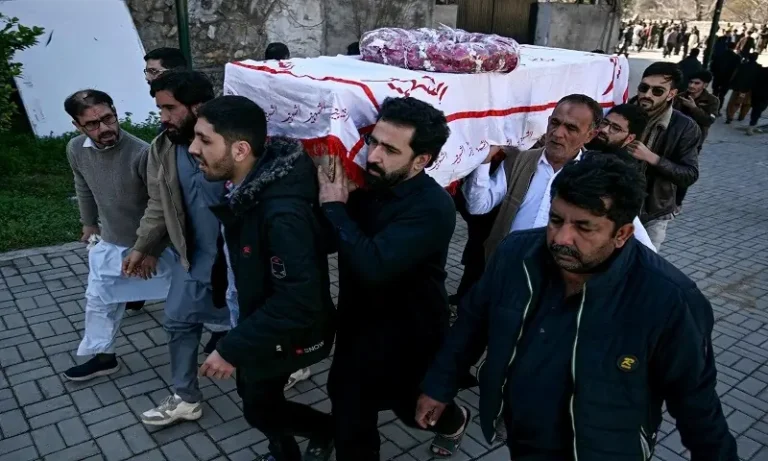
Funeral prayers for several victims were offered in Islamabad amid large gatherings of mourners. Federal ministers, lawmakers and religious leaders attended the ceremonies.

Families wept as the victims were laid to rest, with many calling for swift justice against those responsible.

Foreign condolences

Pakistan received messages of condolence from friendly countries. Iranian Ambassador Reza Amiri Moghaddam expressed sympathies during a meeting with Deputy Prime Minister and Foreign Minister Ishaq Dar.

Azerbaijan’s Foreign Minister Jeyhun Bayramov also conveyed condolences and reaffirmed solidarity with Pakistan.

Officials reiterated that Pakistan remains committed to eliminating terrorism in all its forms and would pursue those behind the Islamabad imambargah attack.

The Islamabad suicide blast has once again highlighted the threat posed by militant groups targeting civilians, but authorities said the fight against terrorism will continue with full force.

Karachi’s major water supply project receives Rs5bn boost

0

ISLAMABAD, Feb 07 (ABC): The K-IV water supply project, a flagship initiative aimed at easing Karachi’s chronic water shortages, has received an additional Rs5 billion in funding, raising the total allocation for fiscal year 2025-26 to Rs8.2 billion, according to official documents available with Wealth Pakistan.

The fresh injection of funds marks a sharp increase from the earlier Rs3.2 billion allocation and reflects the federal government’s renewed push to complete the project on schedule.

Officials say the K-IV project remains on track to supply 260 million gallons of water per day to Karachi by December 2026, significantly improving water availability for the city’s growing population.

Funding to accelerate construction

The enhanced financial allocation will help cover rising construction costs and ensure that critical phases of the project continue without delays.

These phases include laying transmission lines, building pumping stations and completing other key water supply infrastructure.

Sources said the Ministry of Water Resources has also sought additional funding through internal savings to further speed up implementation.

Officials believe that timely disbursement of funds will prevent bottlenecks and keep work aligned with the project timeline.

Federal-provincial coordination

Alongside federal support, the Sindh government has pledged to release its outstanding financial share.

This commitment ensures full backing from both federal and provincial authorities.

Experts say such coordination is essential for large-scale infrastructure schemes, especially those designed to address Karachi’s longstanding water crisis. Joint financial support also reduces the risk of project slowdowns caused by funding gaps.

Dedicated power supply planned

Another major milestone involves securing uninterrupted electricity for the system.

The Sindh Transmission and Dispatch Company has been tasked with providing a dedicated 50-megawatt power supply for the project.

This dedicated supply will operate the pumping and distribution systems once the network becomes functional. Officials said synchronising the power connection with construction and testing schedules remains critical to maintaining the overall timeline.

Without stable power, the system cannot function efficiently.

PC-I revision under review

Meanwhile, the project’s second revised PC-I document is under review by the Ministry of Water Resources.

The document outlines updated financial estimates, operational details and implementation strategies. Once cleared, it will be forwarded to the Ministry of Planning, Development and Special Initiatives for final approval by the Executive Committee of the National Economic Council.

Officials say timely approval will streamline procedures and allow faster transition to the next stage of development.

Relief for Karachi’s water crisis

Karachi has long struggled with severe water shortages due to rapid population growth, ageing infrastructure and supply-demand gaps.

Authorities believe the K-IV project will provide a sustainable solution by significantly increasing daily water supply. With 260 million gallons per day expected upon completion, the project could ease pressure on existing sources and improve access for residential, commercial and industrial users.

Officials say resolving financial and logistical challenges now will help ensure the project meets its December 2026 completion target.

Once operational, the K-IV project is expected to deliver reliable water to millions of residents and support Karachi’s long-term urban and economic growth.