Home Blog Page 39

Rs580m projects planned to modernise Pakistan’s archival heritage

0

ISLAMABAD, April 06 (ABC): The government has proposed two projects worth Rs580 million under the Public Sector Development Programme (PSDP) 2026-27. These projects aim to modernise Pakistan’s archival heritage and improve record management.

According to official documents available with Wealth Pakistan, the plan includes a Rs285 million national programme for digitisation and restoration. It also includes a Rs295 million project to upgrade the National Archives of Pakistan (NAP) under Phase-II.

Digitisation programme to preserve historical records

The government has proposed Rs200 million for the digitisation and restoration programme in FY2026-27. This programme focuses on preserving valuable historical records that face the risk of damage and loss.

Officials plan to use modern digitisation and restoration techniques. These methods will protect archival materials and store them in durable formats. As a result, authorities will preserve historically important records more safely.

In addition, the programme will improve access to archival resources. Researchers, scholars, and institutions will retrieve and manage records more efficiently.

Focus on institutional capacity and standards

The initiative will also strengthen institutional capacity. Authorities will improve archival management practices and adopt international standards.

At the same time, the programme will promote greater awareness of Pakistan’s documentary heritage. This step will support long-term preservation efforts.

Infrastructure upgrade under NAP Phase-II

Alongside digitisation, the government has proposed a Rs295 million infrastructure project. This project falls under NAP Phase-II and focuses on rehabilitation and upgrading work.

Authorities plan to improve the functionality, safety, and efficiency of archival facilities. They will restore existing infrastructure and develop new facilities to meet future needs.

Consequently, these upgrades will improve service delivery and overall performance.

Integrated approach to modernise archives

Together, these projects reflect a broader strategy to modernise Pakistan’s archival system. The government aims to combine digital preservation with infrastructure development.

If implemented effectively, the initiative will improve protection, accessibility, and long-term management of historical records across the country.

Rs1.54 billion to be spent on next phase of Islamabad Technopolis Project

0

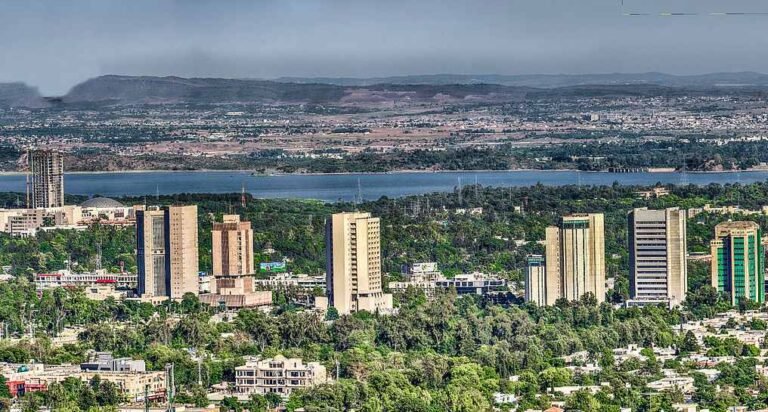
ISLAMABAD, April 06 (ABC): The Cabinet Division has sought Rs1,543 million for the next phase of the Islamabad Technopolis project under the Public Sector Development Programme (PSDP) 2026-27. The move signals a renewed push to transform the capital into a hub of innovation and technology.

According to documents available with Wealth Pakistan, the total approved cost of the project stands at Rs1.98 billion. Out of this, Rs303.7 million had been utilised by June 30, 2025. Meanwhile, under PSDP 2025-26, authorities earmarked Rs138.28 million for the project.

The Islamabad Technopolis project aims to provide state-of-the-art infrastructure. This includes a boundary wall, a 132KV electrical transmission line, water supply transmission lines, a gas line, drainage culverts, and the remodelling of drainage systems.

In addition, the project seeks to boost technology exports in Pakistan. It will encourage high-tech and innovative solutions while promoting entrepreneurship across multiple sectors.

Moreover, the initiative focuses on improving Pakistan’s economic outlook. It plans to promote technology exports and facilitate knowledge transfer from global technology hubs. As a result, it is expected to strengthen the country’s innovation ecosystem.

The project will also create employment opportunities at both national and international levels. It aims to generate skilled and upskilled jobs while attracting direct foreign investment. Consequently, these efforts will help increase the national income level.

If implemented effectively, the Islamabad Technopolis project will enhance Pakistan’s global competitiveness. It will also position the country as a regional leader in technological innovation.

Pakistan’s honey exports reach $15m annually

0

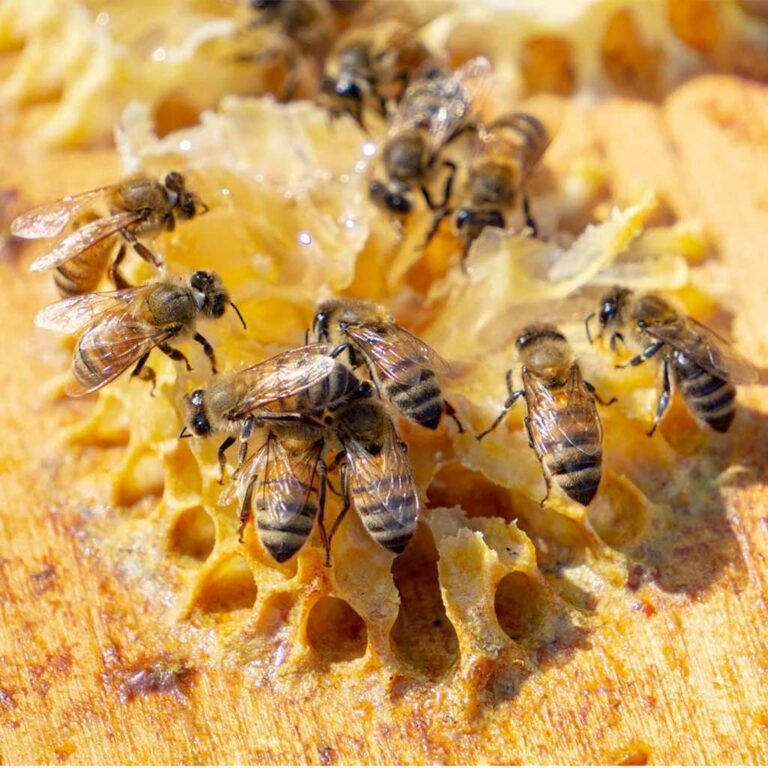
ISLAMABAD, April 03 (ABC): Pakistan’s honey exports have reached around $15 million annually, driven by improved beekeeping practices and high-value varieties.

Speaking to Wealth Pakistan, Dr Muhammad Khalid Rafiq, Senior Scientific Officer at the Honey Bee Research Institute (HBRI), said: “We have laid a strong foundation for a competitive honey industry through sustained research, colony multiplication, improved queen breeding, pest management, and quality assurance systems.”

Currently, Pakistan maintains around 1.5 million colonies of Apis mellifera, a high-yielding western honeybee species. These colonies produce between 25,000 and 30,000 metric tonnes of honey each year. Of this output, 8,000 to 10,000 metric tonnes are exported, generating nearly $15 million annually.

Most exports go to Gulf markets, including Saudi Arabia, the UAE, and Qatar. In particular, premium Sidr (berry) honey leads these exports.

Pakistan’s journey towards a thriving honey industry began in 1979. At that time, organised beekeeping started at the National Agricultural Research Centre under the Pakistan Agricultural Research Council. Earlier, the country relied on imports due to the low productivity of indigenous bee species.

The introduction of Apis mellifera, along with structured colony multiplication and training programmes, set the stage for rapid growth. Since then, HBRI has introduced modern hive management, queen breeding systems, honey testing facilities, and migratory beekeeping models. It has also trained thousands of beekeepers across the country, Dr Khalid added.

However, despite this progress, the sector faces growing environmental challenges. Deforestation, erratic weather patterns, and climate change are shortening flowering cycles. As a result, nectar availability is declining. Traditional floral sources such as Sheesham, Malta, Bekhar, Pulai, and Granda now bloom for shorter durations, directly affecting honey yields.

Moreover, rising temperatures and frequent floods are forcing beekeepers to adopt costly migratory practices. They shift colonies to cooler regions such as Gilgit during peak summers. Consequently, operational costs increase, while production risks and colony losses also rise. This puts additional financial and operational pressure on the sector.

To enhance earnings, stakeholders are promoting branded, single-flower varieties such as Sidr, Acacia, and Mustard honey. These varieties command premium prices in both domestic and international markets.

In addition, HBRI has proposed policy measures to integrate bee-friendly flora into housing schemes, urban landscaping, and plantation drives. At the same time, coordinated efforts are promoting Sidr and Acacia plantations across ecological zones. These steps aim to restore forage availability and stabilise production cycles.

Furthermore, capacity building remains central to HBRI’s mandate. Nationwide training programmes support both new and experienced beekeepers. Women and young entrepreneurs are also being encouraged to enter the sector. As a result, the industry is becoming more inclusive and economically viable, he said.

SDGs programme funding proposed at Rs80bn for FY2026-27

0

ISLAMABAD, April 2 (ABC): The Cabinet Division has proposed a Rs10 billion increase in funding for the Sustainable Development Goals (SDGs) Achievement Programme, raising the total allocation to Rs80 billion for FY2026-27.

According to official documents available with Wealth Pakistan, the estimated expenditure for FY2025-26 stands at Rs70 billion. The proposed allocation for the next fiscal year is therefore Rs10 billion higher than the current level.

The total approved cost of the programme is Rs70 billion. Actual spending reached Rs63.98 billion by June 30, 2025, showing strong utilisation of allocated funds.

The documents state that the Steering Committee on SAP recommends fund releases. Relevant federal ministries and provincial governments then utilise these funds through their executing agencies, in line with approved programme guidelines.

The government approved the programme on January 22, 2019. Since then, federal and provincial authorities have implemented it under the Public Sector Development Programme (PSDP) framework.

The SDGs Achievement Programme supports key development priorities across Pakistan. It focuses on poverty reduction, education, healthcare access, gender equality, and environmental sustainability. In addition, it targets underserved and marginalised communities.

The programme funds small-scale but high-impact projects. These initiatives help improve living standards, strengthen service delivery, and expand access to basic facilities. They also create livelihood opportunities at the community level.

The proposed increase to Rs80 billion reflects the government’s plan to expand ongoing initiatives and widen the programme’s reach.

Potato cultivation area in Pakistan expands 160% over a decade

0

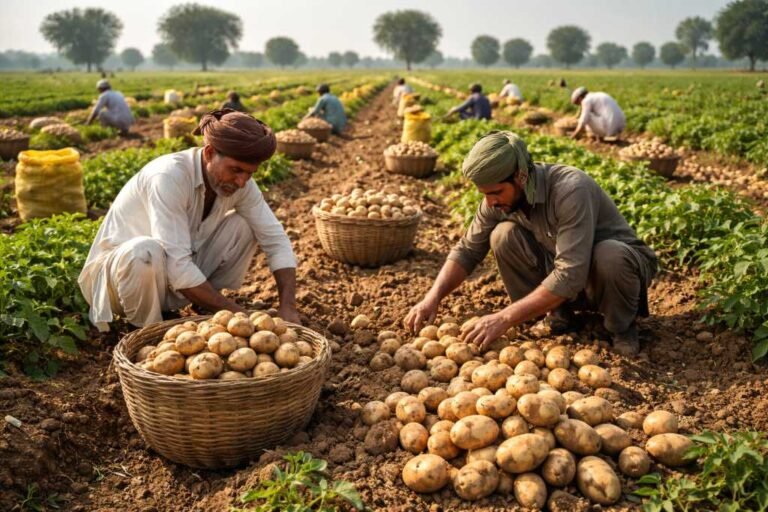
ISLAMABAD, April 1 (ABC): Pakistan has significantly increased the land used for potato cultivation over the last decade. The area grew from about 177,700 hectares in 2015-16 to around 462,160 hectares in 2025-26, showing an increase of nearly 160 percent.

According to official documents available with Wealth Pakistan, potato farming has expanded rapidly. Farmers have responded to rising demand, adopted improved practices, and used high-yielding seed varieties. As a result, potato has strengthened its position as a key food crop after wheat, rice, and maize.

Production records strong growth

Potato production has also risen sharply during this period. Output increased from 3.8 million tons to nearly 12.0 million tons, reflecting a growth of about 216 percent.

In the current season, farmers planted the crop on nearly 0.462 million hectares. This marks a 23 percent increase from 0.386 million hectares last year. Consequently, total production for 2025-26 is expected to exceed 12 million tons.

This projected output is higher than the previous average of 8-10 million tons. As a result, the country may see a surplus of nearly four million metric tons.

Policy response to manage surplus

The strong growth highlights the sector’s rising potential. However, the supply surplus and limited export options have created pressure on farm incomes and caused a temporary price imbalance.

In response, the government has taken coordinated steps to stabilise the market and support growers. A high-level committee formed by the prime minister has already held several meetings to address export bottlenecks and improve market access.

Authorities are considering key measures such as easing visa processes for drivers on major trade routes and removing logistical barriers to international markets.

At the same time, officials are working to manage surplus stocks through subsidised storage facilities. Exporters and stakeholders are also preparing proposals to reduce freight costs and improve competitiveness.

Exploring new export markets

Encouragingly, Pakistan is exploring new export destinations, especially in the Central Asian Republics. Diplomatic efforts are underway to promote potato exports and tap into emerging markets.

Rs400m project planned to restore rangelands, boost livestock in arid regions

0

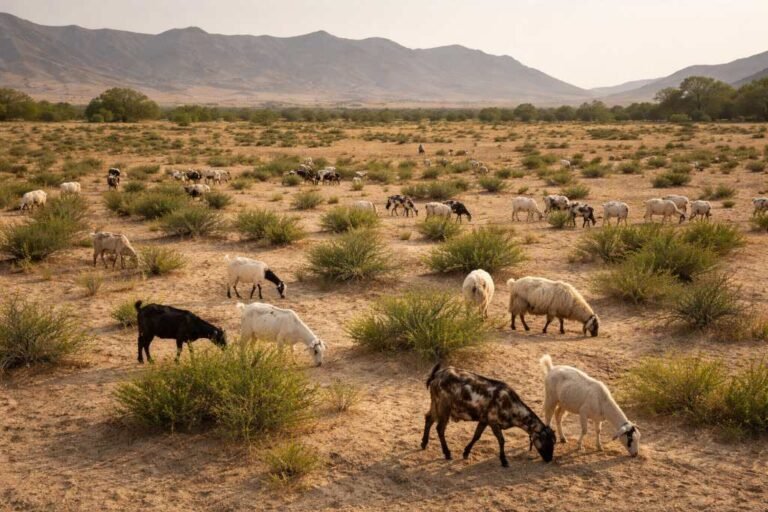
ISLAMABAD, March 31 (ABC) — The Ministry of National Food Security and Research has proposed a Rs400 million project to restore degraded rangelands and promote climate-resilient livestock development in Pakistan’s arid and semi-arid regions.

According to official documents available with Wealth Pakistan, the five-year initiative will run from July 2026 to June 2031. It aims to improve rangeland management and increase livestock productivity in areas facing harsh climate and limited forage.

Focus on rangeland restoration

The project, titled “Climate-Resilient Rangeland Improvement and Sustainable Livestock Development through Digital Monitoring in Arid Regions of Pakistan”, will restore degraded land through revegetation and better vegetation cover.

It will also introduce silvopastoral systems, ranching models, and alley-cropping. These approaches will improve forage availability and support sustainable grazing practices.

In addition, the project will promote the mass multiplication of elite rangeland species. It will also establish seed and fodder banks to ensure a steady supply of quality forage in dryland regions.

Use of modern technology

A key feature of the project is the use of Geographic Information System (GIS) and remote sensing technologies. These tools will support digital monitoring of rangelands.

They will help improve grazing management, water use, and overall land productivity.

Institutional collaboration

The Rangeland Research Institute at the National Agricultural Research Centre (NARC) will implement the project under the Pakistan Agricultural Research Council.

Several institutions will collaborate on the initiative. These include the Arid Zone Research Center (AZRC) Quetta, AZRI Bahawalpur, AZRI Dera Ismail Khan, and AZRI Umerkot.

Alignment with national priorities

The project aligns with key national and international frameworks. These include the government’s 5Es Framework, the 13th Five-Year Plan, the United Nations Sustainable Development Goals, and the National Agriculture Innovation and Growth Program.

It will support sustainable rangeland management, forage development, and improved productivity of indigenous livestock breeds. It will also strengthen the resilience of pastoral communities.

Economic and social impact

The initiative is expected to reduce feed costs and increase livestock productivity. As a result, rural incomes are likely to rise.

Moreover, the project will promote community participation. It will include pastoralists, youth, and women, and help build local capacity in rangeland and livestock management.

Environmental benefits

The project will contribute to desertification control and biodiversity conservation. It will also support soil carbon sequestration and climate adaptation in arid ecosystems.

Key deliverables

The project will restore rangeland areas and improve vegetation cover. It will establish seed and fodder banks and develop a GIS-based monitoring system.

In addition, it will train farmers, pastoralists, and technical workers. It aims to improve livestock productivity, reduce disease and mortality, and increase household income.

Overall, the initiative will strengthen institutional and community capacity. It will also support long-term livestock development in Pakistan’s arid regions.

Punjab working to develop new varieties of durum wheat

0

LAHORE, March 30 (ABC): Agricultural scientists in Punjab are developing and promoting new varieties of durum wheat to meet the rising demand of the rapidly expanding pasta industry, as consumption patterns continue to shift toward processed food products.

The Punjab Agriculture Research Board (PARB) has assigned the Wheat Research Institute Faisalabad to lead research, development and popularisation of durum wheat varieties across the province.

“We have developed several durum wheat varieties alongside bread wheat,” said Dr. Javed Ahmad, Chief Scientist at WRI, while speaking to Wealth Pakistan.

Durum wheat contains high protein and gluten. Because of this, millers use it to produce high-quality flour and semolina. These inputs are essential for pasta products such as noodles, macaroni, spaghetti and vermicelli, which are witnessing growing demand in urban markets.

Historical presence and decline

Dr. Javed said farmers widely cultivated durum wheat in Punjab before the 1960s. It was one of nearly 25 wheat varieties grown in the region at that time.

However, cultivation declined after the introduction of high-yielding bread wheat varieties during the Green Revolution, including MexiPak. These varieties offered better yields, which encouraged farmers to shift away from traditional crops.

New varieties enter the market

WRI Faisalabad developed Wadanak-85 as its first durum wheat variety, followed by Durum-97. Recently, the Punjab Seed Council approved Durum-21 for commercial cultivation, marking another step toward reviving the crop.

Meanwhile, the University of Agriculture Faisalabad has introduced Chenab Pasta-24, a variety designed specifically for the pasta industry. Farmers can grow it in both irrigated and rain-fed areas, which makes it suitable for diverse agro-climatic zones across Punjab.

Dr. Javed said manufacturers traditionally relied on bread wheat for pasta production. However, they are now shifting toward durum wheat due to its superior quality and better processing characteristics.

Processing gap slows expansion

A private industrial group in Multan has established a durum wheat grinding plant. It also purchases the crop from local farmers at premium prices, which has created some incentive for cultivation.

Despite this development, farmers still grow limited quantities of durum wheat in Punjab. The main constraint remains the lack of dedicated processing infrastructure across the province.

“Its success depends on the establishment of more milling units across the province,” Dr. Ahmad said.

Industry calls for specialised facilities

Flour millers say the sector cannot expand without specialised milling systems. Existing infrastructure does not support large-scale processing of durum wheat.

“We need to modify existing milling processes to handle durum wheat. At present, not a single mill in Punjab is processing it,” said Asim Raza Ahmad, former chairman of the Pakistan Flour Mills Association.

He added that most manufacturers of vermicelli, noodles, pasta and spaghetti still rely on maida (fine flour) and suji (semolina) derived from bread wheat.

Marketing issues limit adoption

Farmers also face marketing challenges, which discourage them from adopting the crop on a larger scale.

“Except for the industrial group in Multan, most flour mills do not purchase durum wheat because its flour is not suitable for traditional bread,” said Khalid Mahmood Khokhar, Chairman of the Pakistan Kissan Ittehad.

He said the expansion of durum wheat-based industries is essential to revive the crop. He added that farmers widely cultivated it in Punjab about 60 years ago, but its revival now depends on creating a stable demand chain.

Balochistan’s silent water emergency

0

By Iqbal Basheer

Balochistan is facing a crisis that rarely makes headlines. It does not erupt suddenly or dominate prime-time debates. Yet it is one of the most serious challenges confronting the province. Water scarcity is tightening its grip, slowly but relentlessly.

This is not about a single drought or a temporary shortage. It is a long-term collapse of water security. It affects livelihoods, health, migration, and economic stability. Above all, it threatens survival.

A crisis beyond geography

Balochistan’s harsh climate and low rainfall are well known. The province lies in an arid to semi-arid zone. However, geography alone does not explain the severity of the crisis.

Mismanagement has turned scarcity into disaster. Unregulated groundwater extraction, weak infrastructure, and poor planning have accelerated depletion. What should have been a manageable challenge is now becoming an existential threat.

Groundwater depletion reaches alarming levels

Underground water reserves are declining rapidly. In districts such as Quetta, water tables have dropped significantly over the years. Wells that once required shallow digging now need deep drilling.

Farmers continue to install tube wells to chase falling water levels. Each new borewell provides short-term relief but causes long-term damage. This process is not sustainable. It is effectively mining water.

Unlike minerals, groundwater in arid regions takes years to replenish. Continued extraction without recharge risks permanent loss.

Economic and social consequences

Water scarcity directly impacts agriculture. Orchards are shrinking, and crop yields are becoming unpredictable. As incomes fall, rural families migrate to urban areas.

Cities are already under pressure. Rapid migration increases demand for housing, water, and sanitation. Informal settlements expand, and public health risks rise.

Women and children face the greatest burden. Many travel long distances daily to collect water. This reduces school attendance and limits economic participation. The long-term impact is generational inequality.

Climate change intensifies the challenge

Climate change is worsening the situation. Rainfall patterns have become unpredictable. Dry spells are longer, and temperatures are rising.

Occasional heavy rains do occur, but they often lead to flash floods. Due to weak infrastructure, this water is not stored. Instead, it runs off, eroding soil and wasting a critical resource.

Without dams, recharge systems, and water harvesting structures, rainfall remains underutilised.

Governance gaps and policy failures

Water management in Balochistan lacks coordination. Monitoring of groundwater extraction is limited. Illegal tube wells continue to spread.

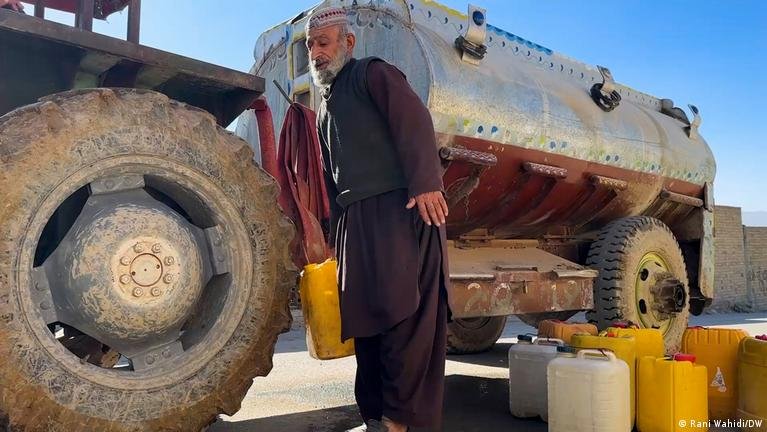
Policy responses are often reactive. Water tankers provide temporary relief, but they do not address structural problems. Long-term planning, data transparency, and enforcement remain weak.

Energy subsidies for pumping water may also contribute to over-extraction. Without regulation, such measures can worsen the crisis.

Development at risk

Balochistan holds significant economic potential. Projects linked to Gwadar Port and mineral resources promise growth and investment.

However, development cannot succeed without water security. Industry, urban expansion, and infrastructure all depend on reliable water supply. Without it, economic plans risk collapse.

Water scarcity and social stability

Resource scarcity can fuel tensions. Communities competing over limited water may face conflict. Unequal distribution can create perceptions of injustice.

Water management is therefore not just an environmental issue. It is central to social stability and conflict prevention.

A path forward: From crisis to strategy

Balochistan needs a comprehensive and long-term response. Water security must be treated as a national priority.

Groundwater extraction must be regulated. Authorities should map aquifers, license drilling, and enforce limits. At the same time, recharge systems must expand.

Rainwater harvesting offers a practical solution. Small dams, reservoirs, and watershed projects can store water during rainfall. Traditional systems like karezes should be restored and modernised.

Community involvement is also essential. Local water councils can improve monitoring and accountability. When communities manage resources, compliance improves.

Technology can support these efforts. Drip irrigation can reduce agricultural waste. Satellite mapping can improve data accuracy. Desalination can help coastal areas. However, technology must be backed by strong governance.

Conclusion

Balochistan’s water crisis is silent but severe. It is reshaping livelihoods, weakening systems, and threatening the future.

The warning signs are clear. The cost of inaction is high. This is not just an environmental issue. It is about survival, stability, and development.

The province stands at a turning point. Bold reforms, scientific planning, and collective action are essential. The time for gradual response has passed. The time for decisive action is now.


Quiet tyranny of convenience

0

By Iqbal Basheer

Modern life promises ease. Technology delivers food, entertainment, and information within seconds. This convenience is often celebrated as progress. However, beneath this comfort lies a deeper transformation. It is quietly reshaping how people think, feel, and respond to challenges.

Convenience does not arrive as a visible force. It works subtly. It reduces effort, removes delays, and anticipates needs. While this improves efficiency, it also weakens the human ability to deal with difficulty.

From effort to instant gratification

In the past, effort was essential for survival. People developed patience, resilience, and problem-solving skills through struggle. Today, digital systems remove many of these challenges.

Meals arrive before hunger intensifies. Answers appear before curiosity fully develops. Entertainment fills every moment of boredom. As a result, the human mind becomes used to instant rewards.

This shift affects attention and behaviour. People become less tolerant of delays. Tasks that require time and effort begin to feel frustrating rather than meaningful.

Why friction matters

Friction once played a vital role in learning and growth. Searching through books built focus and discipline. Waiting strengthened patience. Overcoming obstacles improved confidence.

Today, friction is often seen as a problem to eliminate. Yet its absence can create fragility. When people face complex tasks, they may feel overwhelmed. They mistake natural difficulty for personal failure.

This creates a mindset that avoids challenge. Over time, it reduces resilience and limits long-term growth.

Impact on creativity and thinking

Efficiency has become a dominant value. Society rewards speed and productivity. However, creativity often requires time and reflection.

When every moment is optimised, there is little space for deep thinking. The mind becomes reactive instead of reflective. Constant notifications and quick feedback loops shorten attention spans.

As a result, people may struggle with tasks that demand focus, such as learning new skills or building meaningful relationships.

Social and civic consequences

The effects of convenience extend beyond individuals. They also shape society. Democratic systems require patience, dialogue, and critical thinking.

However, fast-paced digital platforms encourage quick reactions. They promote simplified narratives and emotional responses. Complex issues struggle to compete with short, engaging content.

This environment increases polarisation. It reduces the ability to tolerate different viewpoints. Over time, it weakens thoughtful public discussion.

Hidden environmental and economic costs

Convenience also carries hidden costs. Fast delivery and disposable consumption increase pressure on resources. Many people remain unaware of the environmental impact.

At the same time, the burden of convenience often shifts to workers. Labour in delivery systems, gig platforms, and supply chains absorbs the pressure of speed and efficiency.

This creates an imbalance. Comfort for some can lead to hardship for others.

Balancing progress with purpose

Convenience itself is not harmful. It has improved healthcare, communication, and access to knowledge. The challenge lies in how it is used.

Society must find a balance. It should preserve the benefits of technology while protecting the value of effort and struggle.

Individuals can take small steps. Activities such as deep reading, physical exercise, and skill-building help restore focus and discipline. These practices reintroduce meaningful effort into daily life.

Reclaiming the value of effort

Meaning often comes from effort. Achievements feel valuable because they require time and dedication. Without effort, experiences can feel shallow.

History and culture show that growth comes through challenge. Personal development requires facing difficulty, not avoiding it.

This does not mean embracing unnecessary hardship. It means recognising the difference between harmful struggle and meaningful effort.

Conclusion

The rise of convenience has transformed modern life. It offers comfort and efficiency, but it also brings risks. Without awareness, it can reduce resilience, creativity, and depth.

The key question is simple: what kind of people do we want to become? If the answer includes strength, patience, and wisdom, then some level of friction must remain.

Convenience should support human growth, not replace it. By valuing effort and embracing challenge, society can ensure that progress strengthens the human spirit instead of weakening it.

Scholarship gap in Balochistan

0

By Waseem Hasil

Balochistan stands at a critical moment. The province has a large youth population eager to learn. However, limited financial support continues to block their path to higher education. Despite being Pakistan’s largest province by land, Balochistan remains one of the most underserved in education funding.

This shortage of scholarships is not just a financial issue. It is a systemic barrier. Many talented students from districts like Washuk, Kohlu, and Awaran struggle to enter mainstream academic institutions.

Centralised system creates inequality

The main problem lies in the centralised scholarship system. Most national programmes follow rigid criteria. They rely heavily on high scores in standardised tests.

Students from rural government schools face a clear disadvantage. These schools often lack basic facilities and trained teachers. As a result, students cannot compete equally with those from urban areas.

This system favours privileged students. Those from major cities secure most of the limited scholarships. Meanwhile, capable students from remote areas are left behind.

Digital divide worsens access

The digital divide adds another layer of difficulty. Many students in Balochistan do not have reliable internet access. Without connectivity, they miss deadlines and updates.

Online application processes also create barriers. Many scholarship programmes require complex digital submissions. Students without proper access or guidance struggle to complete these steps.

This gap limits access not only to national programmes but also to international opportunities.

Limited funding fails to meet demand

Provincial funding for higher education remains insufficient. Existing programmes have provided some support, but they fall short of growing needs.

Initiatives such as the Balochistan Education Endowment Fund and Aghaz-e-Haqooq-e-Balochistan have helped many students. However, the scale of support remains limited.

Even students who secure admission to universities often face financial pressure. Rising costs of accommodation, books, and transport force some to drop out before completing their studies.

Need for localised solutions

Addressing this challenge requires a shift in policy. Authorities must move beyond short-term grants. A sustainable and localised funding model is essential.

District-level scholarship desks can provide direct support. These centres can guide students through applications and deadlines. They can also help identify deserving candidates based on local realities.

At the same time, policies must reflect regional disparities. Merit should consider the context of each district rather than a uniform national standard.

Conclusion

Balochistan’s youth have talent and ambition. What they lack is equal opportunity. Without targeted reforms, financial barriers will continue to limit their potential.

Investing in education is investing in the future. Bridging the scholarship gap is not optional. It is necessary for inclusive national development.