



By Iqbal Basheer
Balochistan is facing a crisis that rarely makes headlines. It does not erupt suddenly or dominate prime-time debates. Yet it is one of the most serious challenges confronting the province. Water scarcity is tightening its grip, slowly but relentlessly.
This is not about a single drought or a temporary shortage. It is a long-term collapse of water security. It affects livelihoods, health, migration, and economic stability. Above all, it threatens survival.
A crisis beyond geography
Balochistan’s harsh climate and low rainfall are well known. The province lies in an arid to semi-arid zone. However, geography alone does not explain the severity of the crisis.
Mismanagement has turned scarcity into disaster. Unregulated groundwater extraction, weak infrastructure, and poor planning have accelerated depletion. What should have been a manageable challenge is now becoming an existential threat.
Groundwater depletion reaches alarming levels
Underground water reserves are declining rapidly. In districts such as Quetta, water tables have dropped significantly over the years. Wells that once required shallow digging now need deep drilling.
Farmers continue to install tube wells to chase falling water levels. Each new borewell provides short-term relief but causes long-term damage. This process is not sustainable. It is effectively mining water.
Unlike minerals, groundwater in arid regions takes years to replenish. Continued extraction without recharge risks permanent loss.
Economic and social consequences
Water scarcity directly impacts agriculture. Orchards are shrinking, and crop yields are becoming unpredictable. As incomes fall, rural families migrate to urban areas.
Cities are already under pressure. Rapid migration increases demand for housing, water, and sanitation. Informal settlements expand, and public health risks rise.
Women and children face the greatest burden. Many travel long distances daily to collect water. This reduces school attendance and limits economic participation. The long-term impact is generational inequality.
Climate change intensifies the challenge
Climate change is worsening the situation. Rainfall patterns have become unpredictable. Dry spells are longer, and temperatures are rising.
Occasional heavy rains do occur, but they often lead to flash floods. Due to weak infrastructure, this water is not stored. Instead, it runs off, eroding soil and wasting a critical resource.
Without dams, recharge systems, and water harvesting structures, rainfall remains underutilised.
Governance gaps and policy failures
Water management in Balochistan lacks coordination. Monitoring of groundwater extraction is limited. Illegal tube wells continue to spread.
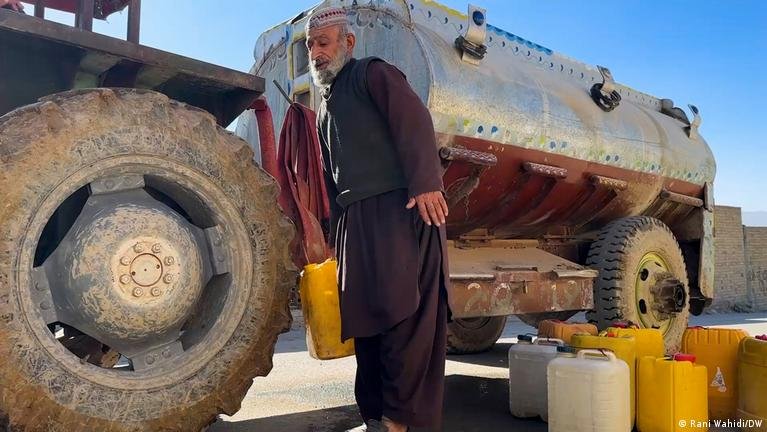
Policy responses are often reactive. Water tankers provide temporary relief, but they do not address structural problems. Long-term planning, data transparency, and enforcement remain weak.
Energy subsidies for pumping water may also contribute to over-extraction. Without regulation, such measures can worsen the crisis.
Development at risk
Balochistan holds significant economic potential. Projects linked to Gwadar Port and mineral resources promise growth and investment.
However, development cannot succeed without water security. Industry, urban expansion, and infrastructure all depend on reliable water supply. Without it, economic plans risk collapse.
Water scarcity and social stability
Resource scarcity can fuel tensions. Communities competing over limited water may face conflict. Unequal distribution can create perceptions of injustice.
Water management is therefore not just an environmental issue. It is central to social stability and conflict prevention.
A path forward: From crisis to strategy
Balochistan needs a comprehensive and long-term response. Water security must be treated as a national priority.
Groundwater extraction must be regulated. Authorities should map aquifers, license drilling, and enforce limits. At the same time, recharge systems must expand.
Rainwater harvesting offers a practical solution. Small dams, reservoirs, and watershed projects can store water during rainfall. Traditional systems like karezes should be restored and modernised.
Community involvement is also essential. Local water councils can improve monitoring and accountability. When communities manage resources, compliance improves.
Technology can support these efforts. Drip irrigation can reduce agricultural waste. Satellite mapping can improve data accuracy. Desalination can help coastal areas. However, technology must be backed by strong governance.
Conclusion
Balochistan’s water crisis is silent but severe. It is reshaping livelihoods, weakening systems, and threatening the future.
The warning signs are clear. The cost of inaction is high. This is not just an environmental issue. It is about survival, stability, and development.
The province stands at a turning point. Bold reforms, scientific planning, and collective action are essential. The time for gradual response has passed. The time for decisive action is now.