


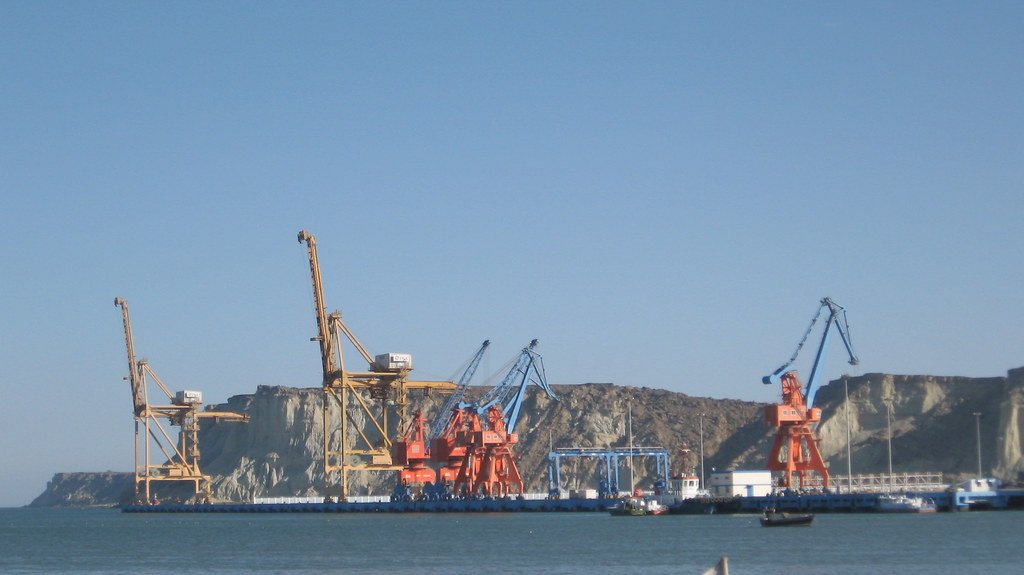

ISLAMABAD, Feb 10 (ABC): The United Nations has warned that militant groups are increasingly targeting Pakistan’s strategic infrastructure, including projects linked to the China-Pakistan Economic Corridor (CPEC), raising fresh concerns about the security of key economic assets.
According to a recent UN assessment submitted to the Security Council, terrorist activity has intensified in South Asia. As a result, Pakistan continues to face threats from armed groups operating across the region.
The report notes that development corridors and security convoys have emerged as frequent targets. Consequently, authorities are tightening protection along sensitive routes.
Corridor routes under attack
The UN observed that the Baloch Liberation Army (BLA) has carried out multiple attacks on Pakistani security forces and CPEC-linked installations.
In several incidents, militants ambushed convoys patrolling strategic highways. They also targeted transport routes that connect major energy and infrastructure projects.
Therefore, officials believe these assaults are meant to disrupt economic progress and undermine investor confidence.
Economic impact a key concern
Experts say attacks on infrastructure cause wider damage than isolated security incidents.
For example, disruptions to highways or project sites can delay construction, increase costs and slow trade flows. Moreover, repeated threats can discourage foreign investment tied to long-term development plans.
Because CPEC is central to Pakistan’s connectivity and energy strategy, protecting these routes has become a national priority.
Better-armed militants raise risks
Meanwhile, the UN report highlighted the growing access of militant groups to advanced weapons.
According to the assessment, fighters now possess modern assault rifles, night-vision and thermal-imaging devices, sniper systems and drone capabilities. These technologies allow them to conduct surveillance and strike more accurately.
As a result, attacks have become more sophisticated and more difficult to counter, especially in remote terrain and during night operations.
Regional instability adds pressure
At the same time, regional instability continues to complicate security efforts.
The report notes that unrest in neighbouring Afghanistan provides space for various armed groups to regroup and launch cross-border operations. Consequently, Pakistan faces persistent external pressure along extended routes that pass through sensitive areas.
Security analysts say such conditions make large infrastructure corridors harder to fully secure.
Security measures strengthened
In response, Pakistani authorities have expanded protection along CPEC routes.
Security forces have increased patrols, improved intelligence coordination and deployed dedicated protection units. In addition, surveillance systems have been strengthened at key points.
Officials maintain that safeguarding CPEC remains essential for economic growth and regional trade. Therefore, counter-terrorism and infrastructure protection efforts will continue to be intensified.
The UN assessment underscores the need for sustained vigilance and regional cooperation to ensure that development initiatives proceed without disruption.