
Home Blog Page 63

268,000 hectares in northern Pakistan suitable for commercial tea cultivation

0

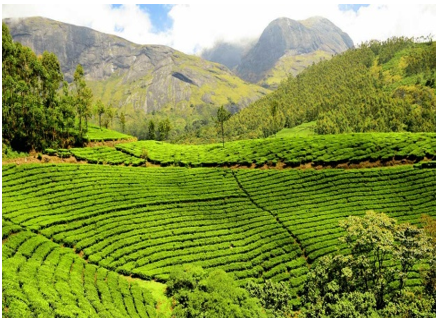
ISLAMABAD, Jan 02 (APP): Pakistan is exploring the commercial cultivation of tea in its northern highlands after the Food and Agriculture Organization (FAO) assessments confirmed that large areas in the region are suitable for long-term and climate-smart plantations.

Dr Farrukh Siyar Hamid, Technical Tea Consultant with the Food and Agriculture Organization (FAO), told Wealth Pakistan that detailed surveys have identified nearly 268,000 hectares of land across northern Pakistan suitable for commercial tea cultivation, offering the country a chance to cut its heavy dependence on imports while creating sustainable rural livelihoods in ecologically fragile regions.

The FAO-led surveys across eight districts of Khyber Pakhtunkhwa – Mansehra, Abbottabad, Batagram, Shangla, Swat, Buner, Upper Dir, and Lower Dir – confirmed large tracts of land suitable for tea, far exceeding earlier assessments limited to a handful of locations.

From an environmental perspective, tea offers clear advantages for the mountainous terrain. A perennial shrub, it can remain productive for 70 to 100 years and requires no tilling once established, helping preserve soil structure and organic content.

“When grown on slopes, its dense canopy reduces water runoff, limits erosion, and helps extend the life of dams and reservoirs,” Dr Farrukh said.

“Tea also makes wasteland productive,” he said, adding that in Pakistan, the crop is well suited to elevations of around 1,000 metres and above, with flavour and quality shaped by elevation and local microclimates.

Building on these environmental advantages, the FAO is also promoting an integrated tea-olive plantation model to boost farm incomes, enhance carbon sequestration, reduce greenhouse gas emissions, and protect biodiversity, Dr. Farrukh said.

“The FAO encourages farmers to adopt tea and olive together so they can simultaneously generate income from both crops,” he added.

Building further on these climate-smart farming approaches, tea estates are also being viewed as anchors for a broader green growth strategy rather than stand-alone agricultural projects.

Plans include linking tea clusters with tourism zones in Khyber Pakhtunkhwa, connecting plantations with destinations such as Kaghan and Kalam, and routes associated with the China-Pakistan Economic Corridor, he said.

Tea, the world’s second most consumed beverage after water, is grown in more than 50 countries and supports millions of livelihoods, yet Pakistan continues to depend almost entirely on overseas supplies to meet the domestic demand, Dr. Farrukh said.

During 2024-25, Pakistan imported about 195,980 metric tonnes of black tea worth Rs116 billion (around $465 million), along with smaller volumes of green tea valued at Rs688 million, Dr Farrukh said, underlining the scale of foreign exchange that could be conserved through domestic production.

Pakistan’s engagement with tea cultivation dates back to a Chinese feasibility study in 1982, followed by the establishment of the National Tea Research Station in 1986, which was later upgraded to the National Tea and High-Value Research Institute.

The institute now operates pilot green tea processing facilities from China and a pilot black tea plant gifted by Turkey, laying the technical groundwork for commercial expansion, Dr. Farrukh said.

Although production remains limited, Pakistan has been exporting small quantities of green tea to Japan for about a decade.

Since 2012, around four to five tonnes annually have been supplied through institutional channels after initial marketing in Mansehra and the Hazara region. “The Japanese like our green tea very much,” Dr Farrukh said, pointing to niche export potential.

Tea cultivation is labour-intensive, from nursery development to plucking, processing, packaging, and marketing, creating employment opportunities for rural communities, particularly women.

Because tea leaves must be processed within four hours of harvesting, factories are typically located close to plantations, anchoring jobs and value addition within local economies, he said.

FAO’s technical support project aims to shift tea from research plots to commercial scale through public-private partnerships, Dr Farrukh said.

Proposed models include smallholder plantations, village-based clusters, and larger estates on state-owned or environmentally protected land, aligning economic activity with sustainable land management.

Dr Farrukh said the FAO’s role had been to highlight Pakistan’s tea potential and attract investors, including from China, who would now engage with government authorities on long-term strategies.
Jahanara Memorial Trust opens Community Healthcare Centre in Lahore

0

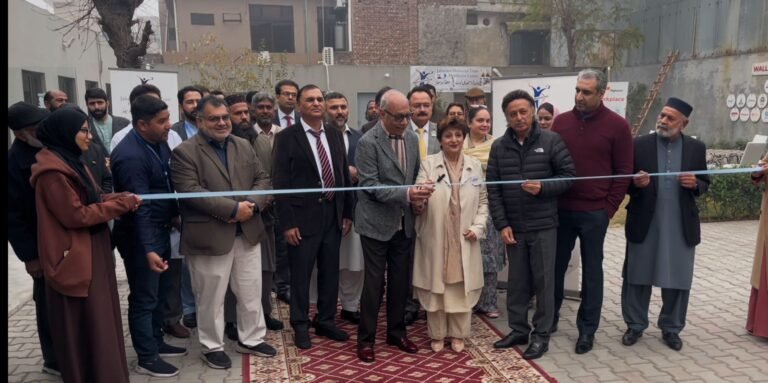
LAHORE: The Jahanara Memorial Trust (JMT) on Wednesday inaugurated its Healthcare Centre in Pak Town, Azam Garden, Multan Road, aimed at providing affordable and quality medical services to underserved communities. The facility has been established in collaboration with the Waseela Foundation.

The inauguration ceremony was presided over by Chairperson of the Trust, Mrs. Zareen Arif Ijaz. The event was attended by prominent figures including Arif, Dr. Izhar-ul-Haq, Dr. Tahir Rasool, Sarfraz Ahmed, Dr. Nasir Shah, Malik Adnan Khokhar, Dr. Javaid Iqbal, Dr. Naheed, Komal, and other social workers, medical professionals and community representatives.

Addressing the gathering, Mrs. Zareen Arif Ijaz said the initiative aims to provide timely, accessible and affordable primary healthcare services to low-income families. She noted that the establishment of the centre reflects the Trust’s commitment to strengthening grassroots healthcare delivery and improving community well-being.

The healthcare centre will offer a range of essential services, including general medical consultations, paediatric care, immunisation, women’s health services, antenatal and maternity care, blood pressure monitoring, ECG, ultrasound facilities, pharmacy services, and first aid and dressing. Qualified doctors and trained medical staff will ensure the provision of quality diagnostic and treatment services.

Speakers at the ceremony lauded the welfare initiatives of the Jahanara Memorial Trust and emphasised the importance of such institutions in bridging healthcare gaps at the community level. They expressed hope that the centre would play a significant role in improving access to basic medical services for residents of the area.

The ceremony concluded with a tour of the facility, during which guests reviewed the healthcare services and infrastructure established at the centre.

EBM leads Day 5 at Young Leaders Conference 2025

0

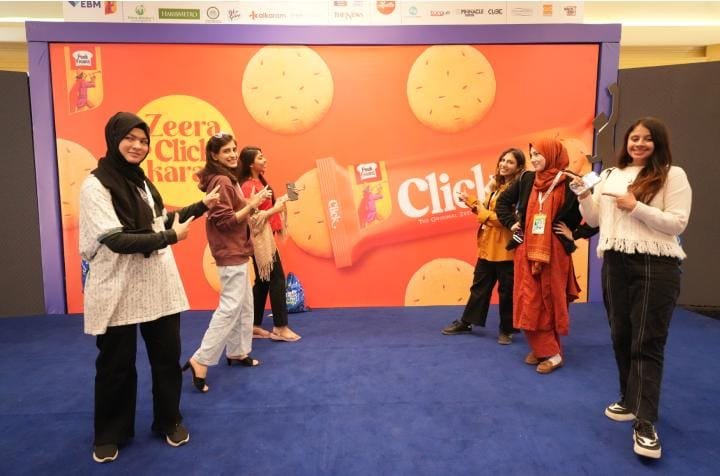
LAHORE: On Day Five of the Young Leaders Conference (YLC) 2025, founding partner English Biscuit Manufacturers (EBM) once again took the center stage, continuing their unwavering support for the initiative from day one.

True to their commitment to youth leadership and social cohesion, EBM reinforced the conference’s vision of fostering inclusivity, empathy, and responsible leadership among Pakistan’s young leaders.

Adding to the excitement of the day, Umair Jaliawala was celebrated as the Day Champ for Day Five, inspiring participants with his insights and engagement, while Shireen Naqvi, Shehroze Hussain and his students, Kainat Ansari, and Saif Samejo made the day even more memorable with their knowledge, experience, and captivating performance.

Aligned with the theme “Manifesting Harmony in Diversity,” the day invited participants to explore how art, language, values, and cultural expression can bridge differences and strengthen societies.

Through thought-provoking sessions on pluralism, cultural perception, and societal values, participants reflected on diversity not as a challenge, but as a source of collective strength.

A profoundly moving segment, co-designed with EBM, Stories That Click, offered participants from across Pakistan a platform to share powerful stories of strength and resilience.

Through these stories, participants reflected on personal growth, shifted perspectives, and deepened their understanding of self and society.

The session resonated with honesty and courage, serving as a poignant reminder that real change begins with the bravery to speak one’s truth.

EBM’s continued patronage with YLC underscores the organization’s long-standing belief in nurturing responsible, empathetic, and values-driven leadership among Pakistan’s youth.

As the founding partner, EBM has been instrumental in empowering young voices that champion unity, respect, and social harmony.

The day concluded with immersive cultural performances, music, and theatre, celebrating creativity as a universal language that brings people together beyond boundaries—echoing EBM’s vision of a more inclusive and compassionate future.

Pakistan Railways partners with five waste management firms to improve station cleanliness

0

ISLAMABAD, Dec 31 (APP): In a bid to enhance cleanliness and improve passenger facilities, Pakistan Railways (PR) has signed agreements with five waste management organizations to ensure better sanitation at major railway stations across the country.

According to documents available with Wealth Pakistan, the agreements have been signed with the Sindh Solid Waste Management Board (SSWMB), Rawalpindi Waste Management Company (RWMC), Lahore Waste Management Company (LWMC), Faisalabad Waste Management Company (FWMC) and Multan Waste Management Company (MWMC). Under these arrangements, the companies will manage cleanliness operations at railway stations in Karachi, Rawalpindi, Lahore, Faisalabad and Multan.

The scope of work includes maintaining cleanliness of platforms, parking areas, washrooms, washing lines, platform shelters and ceiling fans, as well as ensuring the regular removal of stagnant water from station premises.

A senior official of Pakistan Railways told Wealth Pakistan that the initiative is expected to significantly improve the overall environment at major railway stations, which serve thousands of passengers daily. Clean platforms, hygienic washrooms and well-maintained waiting areas will not only enhance passenger comfort but also help improve the public image of rail travel.

The removal of stagnant water and regular waste disposal will also help mitigate health risks, particularly during the monsoon season when unhygienic conditions can facilitate the spread of diseases.

He noted that partnering with professional waste management companies would bring greater efficiency, transparency and consistency to cleanliness operations. These firms possess trained manpower, modern equipment and established systems for waste collection and disposal—capabilities that Pakistan Railways previously lacked.

The move is also expected to reduce the administrative burden on the department, allowing it to focus more on core operational priorities such as train punctuality, safety and passenger services.

He further said that improved cleanliness standards could encourage more people to opt for rail travel, contributing to higher passenger volumes and increased revenue. The initiative also aligns with the government’s broader vision of modernising public transport and promoting environmentally sustainable practices.

Pakistan targets import cut as domestic ginger production goes up

0

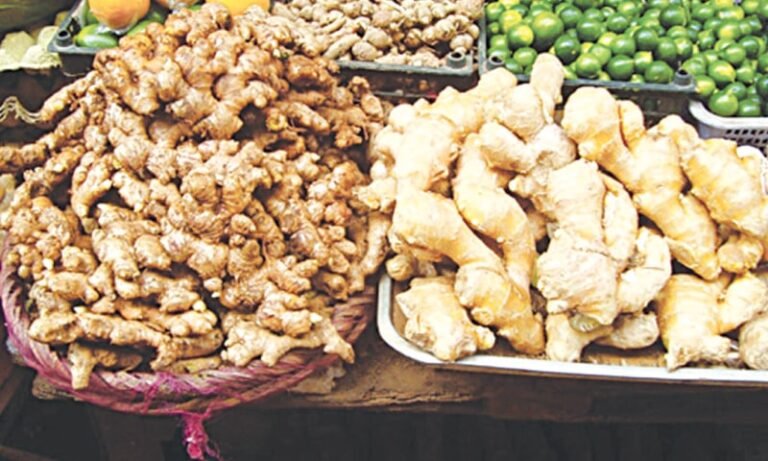
ISLAMABAD, Dec 31 (APP): Pakistan’s long-standing dependence on imported ginger is expected to ease as domestic cultivation gains momentum, driven by research-led innovation, farmer participation and targeted government support.

Ginger farming in the country has expanded following sustained research efforts by the Vegetable Research Institute of the Ayub Agricultural Research Institute (AARI), Faisalabad, in collaboration with progressive farmers, said AARI Principal Scientist Amir Latif while talking to Wealth Pakistan.

He said researchers have successfully localized ginger cultivation by evaluating imported germplasm under local agro-climatic conditions, developing tunnel and shade-based production systems, and releasing a locally adapted variety, AARI Ginger-23. Awareness initiatives, including ginger festivals, also helped familiarize farmers with the crop and strengthen market linkages.

Government support has played a key role in accelerating adoption. Under the “Transfer of Agriculture in Potohar” programme, farmers are provided up to 70 percent subsidy for infrastructure, planting material, tunnels, shade nets and drip irrigation systems.

Pakistan currently consumes around 80,000 to 100,000 tonnes of ginger annually, most of which is imported from China, Thailand, Myanmar and Indonesia, resulting in an annual import bill of nearly $50 million. In contrast, local production remains limited at around 40 to 50 tonnes, concentrated mainly in Faisalabad, Potohar, Islamabad and parts of Khyber Pakhtunkhwa.

Latif said several progressive farmers, including Dawri Agro Farms in Rawat, Nishtar Farms in Chak Shehzad, GN Farms in Chichawatni and Rai Aslam Farms in Jaranwala, have taken the lead in commercial cultivation using their own resources.

He noted that research and demonstration sites are helping farmers understand best practices, while local seed production—previously entirely dependent on imports—is gradually increasing. Although still limited, domestic seed availability is expected to improve in the coming years.

According to Latif, Pakistan has the potential to achieve self-sufficiency in ginger within the next seven to ten years if current momentum continues. He advised farmers to begin on a small scale, adopt recommended technologies, use quality seed and fully utilise available government support to enhance profitability.

Ginger can be successfully grown under shade nets and tunnels in Punjab’s Potohar region, the mid-hills of Khyber Pakhtunkhwa and parts of northern Pakistan. Research trials have already been conducted in Faisalabad, Rawalpindi, Islamabad and Bara to evaluate performance under different agro-climatic conditions.

Beyond fresh consumption, value addition is also emerging, with farmers producing ginger powder, paste, tea and pickles. Latif said locally grown ginger is aromatic, of high quality and largely free from excessive chemical use, making it suitable for both domestic consumption and export markets. He added that ginger offers strong economic potential due to high market demand, its ability to substitute imports and better returns compared to many traditional crops.

12 canals closed in Punjab for annual maintenance, desilting

0

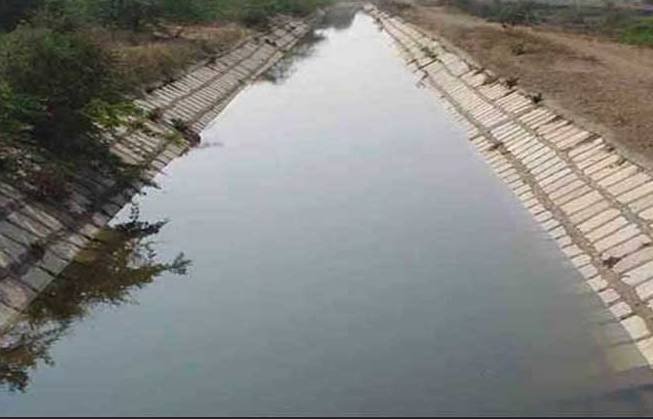
ISLAMABAD, Dec 30 (APP): With declining inflows in the western rivers—Indus and Jhelum—due to limited snowmelt and scant rainfall in catchment areas, the Punjab Irrigation Department has launched its annual canal closure programme for desilting and maintenance work.

“Twenty-one major canals across the province will be closed in two phases. Twelve canals of the Mangla Command have already been closed from December 26 while the remaining nine will be closed within the next two weeks,” Engr Rashid Minhas, Chief Engineer of Punjab Irrigation Department, told Wealth Pakistan.

He said that during the first phase, water supply to these canals would remain suspended for two weeks on a rotational basis. Desilting activities will begin once the canals are fully emptied.

Under the second phase, nine canals of the Tarbela Command will be closed for a two-week period to facilitate desilting. The entire canal closure programme is expected to conclude by January 31.

According to irrigation experts, Punjab has an extensive canal network stretching over 36,000 kilometres, including main canals, branch canals, distributaries and minors, forming the backbone of the province’s irrigation system.

Of this network, nearly 18,000 kilometres of main canals are closed annually for desilting.

Experts noted that the closure period also provides an opportunity to assess the condition of irrigation infrastructure.

“It becomes easier to identify damage to embankments and other structures and carry out necessary repairs during this period,” Dr Ghulam Zakir Hassan Sial, Director of the Punjab Irrigation Research Institute (IRI) told Wealth Pakistan. He added that desilting, along with repair and rehabilitation work, helps improve the long-term efficiency of the canal system.

Officials from the Punjab Agriculture Department said the temporary suspension of canal water would not adversely affect Rabi crops, particularly wheat, as irrigation requirements remain relatively low during January.

“During canal closures, farmers largely rely on tubewell water for irrigation,” Dr Anjum Ali, consultant at the Punjab Agriculture Department, told Wealth Pakistan He added that canal supplies would resume in February, ensuring adequate water availability for crops.

Punjab records higher sugar recovery as crushing season gains pace

0

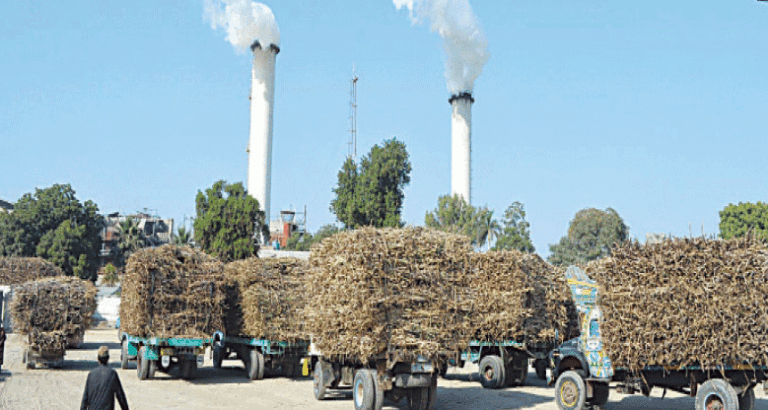
ISLAMABAD, Dec 28 (APP): Punjab has recorded a noticeable improvement in sugar recovery as the ongoing crushing season gathers momentum, with falling temperatures helping enhance sucrose levels in sugarcane across major producing regions.

Sugar recovery in several areas has reached around 10 percent, providing relief to millers and boosting overall sugar output. The drop in night temperatures has played a key role in improving cane quality, particularly in southern districts of the province.

Talking to Wealth Pakistan, Dr Kashif Munir, Director of the Sugarcane Research Institute, Faisalabad, said the recent decline in temperatures to around 8–9 degrees Celsius during nights has significantly improved sugar accumulation in the crop. “Lower temperatures slow down respiration in the cane plant, allowing more sucrose to accumulate, which ultimately increases recovery at mills,” he explained.

He said sugar recovery in central Punjab has also improved gradually and is now close to 9 percent in most districts. “As the crushing season progresses and temperatures continue to fall, further improvement in recovery levels is expected,” he added.

According to official data from the Punjab Cane Commissioner’s Office, the highest recovery rates have been recorded in Bahawalpur and Dera Ghazi Khan divisions, while central Punjab is also showing steady improvement.

The increase in sugar production has begun to ease market pressure. Wholesale and ex-mill sugar prices have declined in major markets, including Lahore.

Speaking to Wealth Pakistan, wholesale sugar dealer Hafiz Zeeshan Ghafoori said improved supply has helped stabilise prices in the market. “With more sugar entering the market, prices are gradually easing, and retail rates are expected to come down further in the coming weeks,” he said, adding that retail prices currently range between Rs160 and Rs170 per kilogram.

Pakistan registers 144 olive startups as industry expands

0

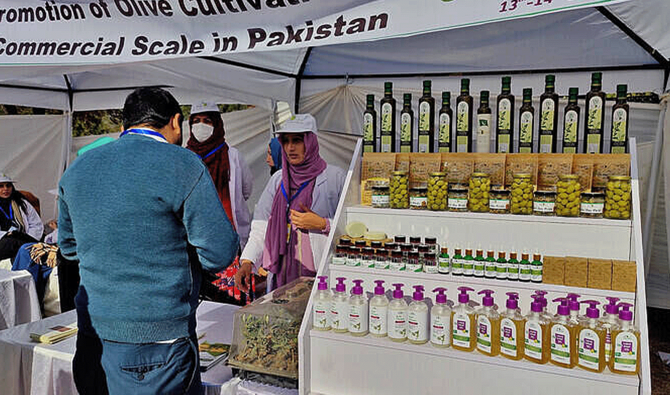
ISLAMABAD, Dec 27 (APP): Pakistan has registered 144 olive startups as part of a decade-long government initiative aimed at developing the country’s olive sector.

Dr Muhammad Tariq, National Project Director of the Olive Promotional Programme, told Wealth Pakistan that the sector has witnessed rapid growth over the past 10 years due to sustained government backing. “Ten years ago, when the government started this programme, we had only one entrepreneur. Today, we have 144 startups and entrepreneurs. It is a very fast-growing sector,” he said.

He noted that the government’s continued support had played a central role in transforming the olive sector into a viable agro-industry. The federal minister for National Food Security and Research has also taken steps to further strengthen the sector by pursuing Pakistan’s full membership in the International Olive Council. “Hopefully, there will be good news within three months,” he said.

Dr Tariq said the Planning Commission of Pakistan has been approached to examine options for further uplifting the sector, indicating the government’s commitment to sustaining long-term growth. He added that the initiative originally began as a pilot project with support from the Government of Italy, which laid the foundation for the current expansion phase.

He said Pakistan initially depended entirely on imported olive plants, but the situation has changed significantly over the past few years. “Imports have stopped, and local nurseries are now producing certified plants,” he said, adding that this shift had strengthened domestic capacity.

Dr Tariq said the country has also witnessed a notable reduction in olive oil imports between 2019 and 2025, largely due to growing consumer confidence in locally produced olive oil. However, he pointed out that challenges remain in areas such as bottling, packaging, labeling and certification.

Dr Tariq said efforts were under way to address these gaps by strengthening quality infrastructure. “We are working to secure accreditation for olive oil certification laboratories and establish ISO-certified facilities,” he said, adding that such measures would help standardise production and improve market credibility.

He also noted that while the sector had expanded rapidly, technical support had not kept pace with its geographical spread. “Our Italian partners still provide technical assistance, but it is limited. Olives are now being grown across the country, and extension services are under pressure,” he said.

Looking ahead, Dr Tariq said the sector must diversify beyond olive oil alone. “We are currently focused on oil, but there are many other avenues such as pomace oil, virgin oil, lampante oil, pellet production and nutraceuticals. These areas have yet to develop and hold significant potential for farmers,” he added.

KPT contributes Rs2 billion for Jinnah Medical Complex construction in Islamabad

0

ISLAMABAD, Dec 25 (APP): The Karachi Port Trust (KPT) has announced the allocation of Rs2 billion under its corporate social responsibility (CSR) obligation for the construction of the Jinnah Medical Complex and Research Centre in Islamabad.

The project of the federal government is poised to become one of the country’s most ambitious medical facilities, according to a document available with Wealth Pakistan.

The decision marks a significant step toward addressing longstanding gaps in tertiary care and clinical research capabilities.

KPT’s financial contribution comes as part of a broader investment strategy aimed at improving access to quality health services in underserved regions.

The facility, envisioned as both a state-of-the-art hospital and a research center, will span multiple specialties and be equipped to handle complex medical cases alongside rigorous scientific research programs.

The Jinnah Medical Complex, located in Sector H-16 of Islamabad, has been under federal government planning for quite some time.

Once complete, the Jinnah Medical Complex will meet global medical standards, serve patients from all provinces, and significantly reduce the burden on existing public hospitals in the twin cities and surrounding regions.

The Jinnah Medical Complex and Research Center is expected to significantly bolster national capacity in both advanced healthcare delivery and medical research — positioning Islamabad as a hub for cutting-edge medical services and scientific discovery.

Govt mulls PPP model for wheat procurement under National Interim Wheat Policy 2025-26

0

ISLAMABAD, Dec 24 (APP): The Ministry of National Food Security and Research is in the process of operationalising a Public-Private Partnership (PPP) model for wheat procurement under the National Interim Wheat Policy 2025-26.

The purpose of the initiative is to ensure maintenance of strategic wheat reserves in country while easing fiscal pressure on the public exchequer

According to a document available with Wealth Pakistan, private sector participation will be enabled through a structured licensing mechanism under the proposed framework. The process will begin with prequalification, followed by the issuance of Requests for Proposals to licensed private entities.

The new model has been designed to address longstanding public funding constraints by leveraging the financial capacity and operational efficiency of the private sector. Specifically, licensed private firms will procure wheat on behalf of the government to maintain strategic wheat reserves, which are critical to national food security and market stability.

Previously, wheat procurement, storage and handling were carried out directly by the government through the Pakistan Agricultural Storage and Services Corporation (PASCO) and provincial food departments. Under that arrangement, the public sector bore the full financial burden, including procurement costs, storage charges, financing expenses, and operational overheads.

Under the PPP model, the procurement of wheat will be undertaken by licensed private sector firms using their own financial resources and/or commercial credit lines. The government’s financial role will be limited to incidental and facilitative costs, including capital-related charges, applicable interest costs, storage rentals, and other approved operational overheads. Crucially, the commodity cost of wheat will be borne by the private sector, a shift expected to significantly reduce immediate fiscal pressure on the government while ensuring uninterrupted maintenance of strategic wheat stocks.

Tentative timelines for the wheat procurement process have already been framed. However, these timelines are subject to the completion of the requisite approval process and full compliance with the Public Procurement Regulatory Authority Rules, 2004. The timelines will commence from the issuance of the prequalification document.

The initiative is limited solely to the maintenance of strategic wheat reserves. Other wheat-related projects and activities will continue to be handled separately by the Plan Section of the Ministry of National Food Security and Research or its attached departments.

Overall, the PPP-based wheat procurement model represents a significant shift in approach, aimed at safeguarding food security while promoting fiscal discipline and private sector participation.