
Home Blog Page 5

Chinese hybrid rice, canola varieties lift yields in Pakistan

0

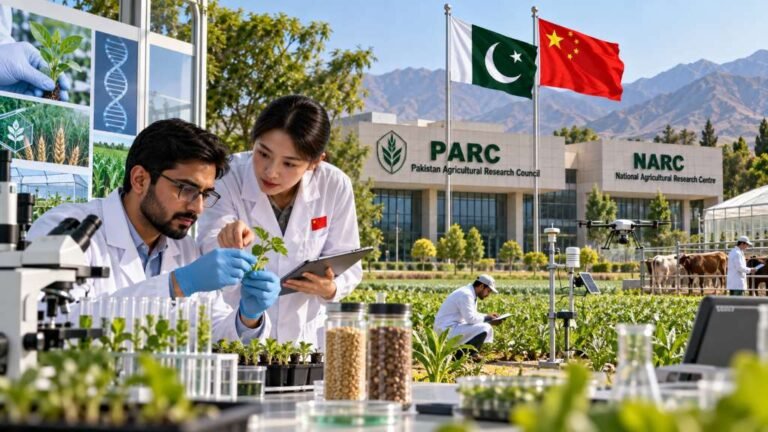
ISLAMABAD, Feb 09 (ABC): Chinese agricultural technologies are transforming Pakistan’s farming sector by increasing crop yields, reducing post-harvest losses, and creating new income opportunities for rural communities.

Talking to Wealth Pakistan, Zhou Xusheng, Country Director of Wuhan Qingfa Hesheng Agricultural Development Company, said Chinese hybrid seeds and modern machinery are helping farmers produce more food with fewer inputs.

Hybrid rice improves exports and farm productivity

Zhou said one of the earliest successes came through hybrid rice cultivation. He noted that Pakistan has moved from being the world’s seventh-largest rice exporter to fourth place and is now approaching third.

Since arriving in Pakistan in 2010, Zhou has overseen the expansion of hybrid rice adoption. According to him, the technology has increased average rice yields from 50–60 mounds per acre to 90–100 mounds. In some areas, farmers are achieving even higher output.

He said hybrid rice has strengthened Pakistan’s export capacity while generating employment across the seed supply chain, agrochemical marketing, cultivation, processing, and overseas sales.

Moreover, future cooperation will focus on improving grain quality. Chinese varieties fetch higher prices in international markets and can help Pakistani exporters access premium buyers.

Hybrid canola reduces oil imports

Alongside rice, Zhou highlighted edible oil as a major national challenge. Pakistan currently imports nearly 90 percent of its edible oil and spends about $4 billion annually.

He said that after nearly a decade of joint research, Pakistan registered its first hybrid canola variety in 2019. In 2025, the project was formally incorporated into the China-Pakistan Economic Corridor framework.

Hybrid canola offers higher yields and better oil content. At the same time, it requires less fertilizer and fewer chemicals, which benefits both farmers and the environment.

Village-level processing boosts household incomes

Zhou explained that the project also promotes small and micro oil extraction units in rural areas. These units allow villages to process canola locally and supply nearby communities with affordable, high-quality oil.

Under this model, families grow crops and process them simultaneously. Women can operate extraction machines, sell oil, and use the high-protein by-product as livestock feed. As a result, households earn additional income and reduce dependence on middlemen.

Modern machinery cuts post-harvest losses

Post-harvest losses remain a key issue in Pakistan. Zhou said canola losses can reach 30–40 percent due to limited harvesting equipment.

Drawing on Chinese experience, he noted that specialized machinery has reduced losses to 5–10 percent in China. Pakistani farmers using similar equipment can therefore increase effective yields and profits.

He added that Chinese enterprises are keen to invest in modern harvesting technologies to expand business opportunities while helping farmers reduce waste.

Rising Chinese demand offers export potential

Zhou also pointed out that China’s demand for imported agricultural products is growing steadily. Pakistan’s climate and soil conditions make it well suited to supply crops such as grains and sesame if yields and quality improve.

He said shrinking farmland and rising consumption in China will create sustained demand for overseas farm products. This trend presents long-term export opportunities for Pakistani growers.

“If Pakistan increases yield and quality, its products will become competitive in this market,” Zhou said.

He added that agriculture remains central to Pakistan’s economic development. Deeper China-Pakistan cooperation in seeds, machinery, processing, and market access can help farmers achieve higher productivity and better livelihoods.

Mastermind of Islamabad imambargah blast arrested in KP raids

0
  • Four facilitators, Afghan Daesh handler held; planning and training traced to Afghanistan

ISLAMABAD, Feb 7 (ABC): Security forces arrested the alleged mastermind and four facilitators of the Islamabad imambargah suicide blast during overnight raids in Khyber Pakhtunkhwa, Interior Minister Mohsin Naqvi said on Saturday.

He said police and intelligence teams launched operations in Peshawar and Nowshera soon after Friday’s attack. The teams detained all suspects by early morning.

The suicide bombing targeted worshippers during prayers in the Tarlai area. At least 33 people lost their lives and dozens suffered injuries.

Raids lead to arrests

Naqvi said the Counter Terrorism Department, KP police and other agencies worked together during the raids. Officers used technical and human intelligence to locate the suspects.

Teams arrested four facilitators in separate operations. They also captured the main handler, whom officials described as an Afghan national linked to the banned Daesh group.

“All those involved in this attack are now in custody,” the minister said.

Exchange of fire in Nowshera

Security teams faced resistance during a raid in Nowshera’s Hakeemabad area. Suspects opened fire on the officers.

An assistant sub-inspector embraced martyrdom during the exchange. Several other officers sustained injuries.

Despite the clash, the teams completed the operation and detained the suspects.

How the attack unfolded

Officials said the attacker reached the imambargah entrance during prayers. He opened fire to create panic and then detonated himself.

The explosion caused heavy casualties. Rescue workers shifted the injured to hospitals across Islamabad.

Authorities fear the death toll may rise because several victims remain critical.

Planning and training abroad

Naqvi said investigators traced the planning and training of the attacker to Afghanistan. He said the suspect travelled there for indoctrination and preparation.

“We have clear evidence about his training and movement,” he said.

He added that several militant groups operated together and shared networks across the border.

Claims of foreign funding

The minister claimed that foreign elements financed these networks. He said militants earlier received about 500 dollars per task.

He said the payments later rose to 1,500 dollars. He alleged that India provided funds and targets to the groups.

Pakistan will raise the issue at international forums, he added.

Public cooperation urged

Naqvi urged citizens to support law enforcement agencies. He asked people to report suspicious individuals living in their areas.

“Community information helps prevent attacks,” he said. “Many plots fail because of timely intelligence.”

He added that security forces foil dozens of attempts before they occur.

Social media monitoring

The minister said terrorists used social media accounts for communication and propaganda. The government asked platforms to block such accounts.

He warned that authorities would consider stronger measures if companies failed to cooperate.

Security tightened in capital

Islamabad police also reviewed the city’s security plan. Officials examined 93 entry points and increased monitoring.

Authorities plan to introduce stricter checks and digital tracking systems in sensitive zones.

Operations continue

The Ministry of Interior said further intelligence-based operations were underway. Officials aim to dismantle the entire network behind the blast.

“We will continue this fight until terrorism ends,” Naqvi said.

Pakistan edge Netherlands by three wickets in T20 opener

0

Colombo, Feb 07 (ABC): Pakistan opened their ICC Men’s T20 World Cup 2026 campaign with a tense three-wicket victory over the Netherlands, riding on an explosive late cameo from Faheem Ashraf at the Sinhalese Sports Club (SSC) Ground on Saturday.

Chasing a modest target of 148, Pakistan appeared in control early but suffered a dramatic middle-order collapse that pushed the contest into the final overs. With 29 runs required from the last two overs, Faheem Ashraf produced a decisive counterattack to steer the side home with three deliveries to spare.

Batting at No. 8, Faheem struck 29 not out off just 11 balls, including three sixes and a four. He collected 22 runs in the penultimate over off Logan van Beek and then finished the game with a boundary, ensuring a winning start for the Green Shirts.

Early momentum, sudden collapse

Pakistan’s chase began briskly as opener Saim Ayub scored 24 off 13 balls with four boundaries and a six. His aggressive start helped Pakistan reach 27-1 inside three overs before Aryan Dutt claimed his wicket.

Captain Salman Ali Agha and Sahibzada Farhan kept the scoring rate high. Pakistan crossed 50 inside five overs, but Agha departed for 12 soon after. Farhan then combined with Babar Azam to consolidate the innings.

Farhan played fluently for 47 off 29 deliveries, while Babar anchored the chase. At 98-2 in 11 overs, Pakistan looked comfortable with two set batters at the crease.

However, the Netherlands staged a strong comeback.

Paul van Meekeren triggered the collapse with a double-wicket maiden, removing Farhan and Usman Khan. Roelof van der Merwe then dismissed Babar for 15. Pakistan slipped from 98-2 to 114-7, losing five wickets in quick succession.

Mohammad Nawaz and Shadab Khan also fell cheaply, leaving the lower order with a stiff task before Faheem’s late surge changed the momentum.

Spinners restrict Netherlands to 147

Earlier, Pakistan’s bowlers, particularly the spinners, played a key role in restricting the Netherlands to 147 all out in 19.5 overs after the Dutch side elected to bat first.

The Netherlands started positively, with Michael Levitt striking a boundary off the first ball. The openers added 28 runs in three overs before Salman Mirza removed Max O’Dowd.

Levitt threatened to accelerate but was dismissed by Mohammad Nawaz following sharp fielding work involving Babar Azam and Shaheen Afridi near the boundary.

Bas de Leede and Colin Ackermann rebuilt the innings and carried the total past 50 in the powerplay. Abrar Ahmed broke the stand by removing Ackermann for 20.

The Dutch reached 100 in the 13th over, but Pakistan’s spinners tightened control. Nawaz dismissed de Leede for 30, while Abrar sent back captain Scott Edwards for 37.

Saim Ayub chipped in with two quick wickets, including Logan van Beek for a first-ball duck, as the Netherlands lost momentum in the closing overs.

Shaheen Afridi and Salman Mirza cleaned up the tail to bowl the Netherlands out for 147.

Bowling figures

Salman Mirza led the attack with 3-24 in 3.5 overs. Mohammad Nawaz, Abrar Ahmed, and Saim Ayub claimed two wickets each, while Shaheen Afridi picked up one.

Strong start to campaign

The victory gives Pakistan early momentum in the tournament and highlights the team’s depth in both bowling and lower-order batting. Faheem Ashraf’s finishing role proved decisive in a match that tested Pakistan’s composure under pressure.

With a narrow win secured, Pakistan will look to build consistency and avoid similar collapses as the competition progresses.

A Teacher Who Inspires Beyond the Classroom

0

By Zahid Dilwash

At the University of Turbat, the name Bahauddin commands deep respect and admiration among students and colleagues alike. Serving as a faculty member in Political Science, he has established himself not merely as a lecturer, but as a mentor, guide, and source of inspiration whose influence extends far beyond the boundaries of the classroom.

In an era when education often risks becoming mechanical and transactional, teachers who embody sincerity, humility, and genuine care for their students are increasingly rare. Sir Bahauddin stands as a refreshing exception. His presence reflects a model of teaching rooted in compassion, intellectual clarity, and unwavering dedication to student growth.

What distinguishes him most is not only his academic competence, but the warmth of his personality. His calm demeanor, respectful communication style, and approachable nature create an environment where students feel valued and heard. Whether inside the lecture hall or outside it, he remains accessible and attentive, always willing to guide those seeking clarity or encouragement.

Students often recall his classes as spaces of meaningful dialogue rather than one-sided instruction. His ability to explain complex theories in simple, relatable terms demonstrates both mastery of his subject and sensitivity to students’ needs. Difficult concepts become understandable, and abstract ideas take practical shape. This clarity allows even academically struggling students to engage confidently with the material.

More importantly, his teaching philosophy goes beyond preparing students for examinations. He emphasizes understanding over memorization, critical thinking over rote learning, and curiosity over passive acceptance. By encouraging independent thought and creative inquiry, he helps students develop not only academically but intellectually and personally. His approach nurtures confidence, analytical skills, and a sense of responsibility toward learning.

Despite his knowledge and experience, Sir Bahauddin remains remarkably humble. Where others might allow qualifications to create distance, he bridges gaps through kindness and simplicity. He treats every student with equal respect, never allowing hierarchy or authority to overshadow empathy. This humility has earned him genuine affection rather than mere formal respect.

Such qualities make him difficult to describe within conventional limits. He is not simply an effective teacher; he is a dynamic personality whose influence shapes character as much as intellect. Many students find that their questions are answered even before they are asked — a testament to his preparation, foresight, and thoughtful delivery.

Teachers like Sir Bahauddin are rare, yet their impact is profound and lasting. They do not only teach subjects; they shape mindsets, values, and futures. At the University of Turbat, he continues to play this transformative role, guiding students not only toward academic success but toward becoming thoughtful, capable, and responsible individuals.

His legacy lies not merely in lectures delivered or courses completed, but in the lives he touches and the inspiration he instills. For many, he will always remain more than a teacher — he is a mentor whose influence endures long after the classroom doors close.

Islamabad mourns as Imambargah blast toll rises to 36

0

ISLAMABAD, Feb 7 (ABC): The death toll from the suicide attack on an imambargah in Islamabad climbed to 36 on Saturday, hospital officials confirmed, as more victims succumbed to injuries sustained in the blast that struck during Friday prayers in the Tarlai area.

The attack targeted Imambargah Qasr-i-Khadijatul Kubra on the outskirts of the federal capital, where a large number of worshippers had gathered for congregational prayers. More than 160 people were injured, several of them critically, raising fears that the casualty count could increase further.

Rescue teams rushed to the site immediately after the explosion and shifted the injured and bodies to nearby hospitals, mainly the Pakistan Institute of Medical Sciences (PIMS) and Polyclinic Hospital.

Hospital update

Doctors at PIMS said the facility received the highest number of casualties.

Hospital sources confirmed that dozens of wounded were brought in overnight, including critically injured patients. Several underwent emergency surgeries, while others were admitted to the intensive care unit.

Officials said many of the injured remain under close observation. Some are still battling life-threatening wounds.

Medical staff described the situation as overwhelming, with emergency wards operating at full capacity.

How the attack unfolded

According to investigators, the attacker detonated himself at the entrance of the imambargah during prayers. Witnesses said the blast was preceded by gunfire, causing panic among worshippers before the powerful explosion ripped through the area.

Security forces quickly cordoned off the site. Pakistan Army troops, Rangers and police launched a joint search and clearance operation.

Forensic teams collected evidence, while bomb disposal experts examined the scene.

Investigators said the suspected bomber’s identity card was recovered from the site. Preliminary findings suggest the attacker had recently travelled to Afghanistan, where he allegedly received training in weapons handling and suicide bombing.

Government response

Information Minister Attaullah Tarar said authorities had made significant progress in tracing the facilitators and handlers behind the attack.

“There has been great progress in the investigation. The net around the facilitators has tightened and they will be brought to justice,” he told reporters.

He added that security agencies had identified key leads and further details would be shared after verification.

The minister said terrorists were increasingly targeting soft civilian locations after failing to strike hardened security targets. He stressed that law enforcement agencies remained on high alert across the country.

Tarar also assured the public that the government would strengthen protection at mosques, imambargahs and other religious places.

National unity against terrorism

Religious scholars from different schools of thought visited hospitals and met the injured to express solidarity. They condemned the attack and called for unity against terrorism and sectarian violence.

Allama Tahir Mahmood Ashrafi said clerics from across the country stood together against extremist elements.

“The nation stands united. Terrorists cannot divide us,” he said, adding that such attacks aimed to spread fear but had instead strengthened national resolve.

Scholars also demanded tighter action against banned outfits and hate speech that could incite violence.

Funerals held

Funeral prayers for several victims were offered in Islamabad amid large gatherings of mourners. Federal ministers, lawmakers and religious leaders attended the ceremonies.

Families wept as the victims were laid to rest, with many calling for swift justice against those responsible.

Foreign condolences

Pakistan received messages of condolence from friendly countries. Iranian Ambassador Reza Amiri Moghaddam expressed sympathies during a meeting with Deputy Prime Minister and Foreign Minister Ishaq Dar.

Azerbaijan’s Foreign Minister Jeyhun Bayramov also conveyed condolences and reaffirmed solidarity with Pakistan.

Officials reiterated that Pakistan remains committed to eliminating terrorism in all its forms and would pursue those behind the Islamabad imambargah attack.

The Islamabad suicide blast has once again highlighted the threat posed by militant groups targeting civilians, but authorities said the fight against terrorism will continue with full force.

Karachi’s major water supply project receives Rs5bn boost

0

ISLAMABAD, Feb 07 (ABC): The K-IV water supply project, a flagship initiative aimed at easing Karachi’s chronic water shortages, has received an additional Rs5 billion in funding, raising the total allocation for fiscal year 2025-26 to Rs8.2 billion, according to official documents available with Wealth Pakistan.

The fresh injection of funds marks a sharp increase from the earlier Rs3.2 billion allocation and reflects the federal government’s renewed push to complete the project on schedule.

Officials say the K-IV project remains on track to supply 260 million gallons of water per day to Karachi by December 2026, significantly improving water availability for the city’s growing population.

Funding to accelerate construction

The enhanced financial allocation will help cover rising construction costs and ensure that critical phases of the project continue without delays.

These phases include laying transmission lines, building pumping stations and completing other key water supply infrastructure.

Sources said the Ministry of Water Resources has also sought additional funding through internal savings to further speed up implementation.

Officials believe that timely disbursement of funds will prevent bottlenecks and keep work aligned with the project timeline.

Federal-provincial coordination

Alongside federal support, the Sindh government has pledged to release its outstanding financial share.

This commitment ensures full backing from both federal and provincial authorities.

Experts say such coordination is essential for large-scale infrastructure schemes, especially those designed to address Karachi’s longstanding water crisis. Joint financial support also reduces the risk of project slowdowns caused by funding gaps.

Dedicated power supply planned

Another major milestone involves securing uninterrupted electricity for the system.

The Sindh Transmission and Dispatch Company has been tasked with providing a dedicated 50-megawatt power supply for the project.

This dedicated supply will operate the pumping and distribution systems once the network becomes functional. Officials said synchronising the power connection with construction and testing schedules remains critical to maintaining the overall timeline.

Without stable power, the system cannot function efficiently.

PC-I revision under review

Meanwhile, the project’s second revised PC-I document is under review by the Ministry of Water Resources.

The document outlines updated financial estimates, operational details and implementation strategies. Once cleared, it will be forwarded to the Ministry of Planning, Development and Special Initiatives for final approval by the Executive Committee of the National Economic Council.

Officials say timely approval will streamline procedures and allow faster transition to the next stage of development.

Relief for Karachi’s water crisis

Karachi has long struggled with severe water shortages due to rapid population growth, ageing infrastructure and supply-demand gaps.

Authorities believe the K-IV project will provide a sustainable solution by significantly increasing daily water supply. With 260 million gallons per day expected upon completion, the project could ease pressure on existing sources and improve access for residential, commercial and industrial users.

Officials say resolving financial and logistical challenges now will help ensure the project meets its December 2026 completion target.

Once operational, the K-IV project is expected to deliver reliable water to millions of residents and support Karachi’s long-term urban and economic growth.

Flurry of activities to mark 75th anniversary of Pak-China diplomatic ties

0

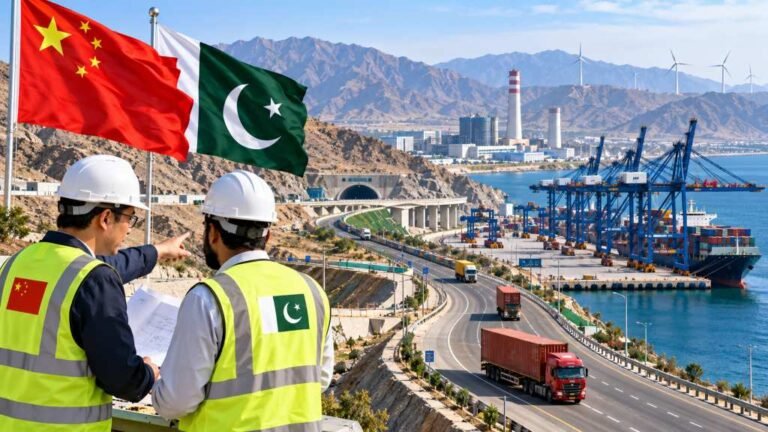
ISLAMABAD, Feb 7 (ABC): Pakistan and China are set to celebrate the 75th anniversary of diplomatic relations in 2026 with a year-long series of events, as the government plans dozens of joint initiatives to commemorate their historic partnership and strengthen future cooperation.

To oversee the celebrations, the prime minister has constituted a special committee tasked with organizing 72 activities throughout the year. Officials say the initiatives will highlight the depth of bilateral ties and open new avenues for collaboration across trade, culture, technology and diplomacy.

The planned activities aim not only to celebrate past achievements but also to reinforce the strategic partnership between the two countries.

Commemorative coin and stamp

Among the key highlights, Pakistan will issue a commemorative coin and postage stamp to mark the milestone year.

These symbolic items will represent the enduring friendship between Islamabad and Beijing and serve as a tribute to decades of mutual trust and cooperation.

Officials told Wealth Pakistan such gestures reflect the historical significance of Pakistan-China ties, often described as “all-weather” and time-tested.

Wide-ranging joint events planned

In addition, more than two dozen joint activities are already under active preparation.

These programmes will take place across both countries and cover multiple sectors. They include trade exhibitions, cultural exchanges, academic collaborations and technology initiatives.

Authorities from Pakistan and China are working closely to ensure smooth execution of the events.

Officials told Wealth Pakistan that these engagements will deepen people-to-people contacts and strengthen business and institutional linkages.

Diplomatic momentum builds

The anniversary celebrations gained further momentum with Pakistan’s Deputy Prime Minister and Foreign Minister’s recent visit to China.

He became the first foreign dignitary to attend the 7th Foreign Ministers’ Strategic Dialogue, underscoring the high level of trust between the two countries.

During the visit, the Pakistani foreign minister and Chinese Foreign Minister Wang Yi jointly launched a special anniversary logo.

The logo symbolises the resilience and continuity of Pakistan-China relations and reflects both nations’ commitment to expanding cooperation.

Focus on future cooperation

Officials say the 75th anniversary offers an opportunity to look ahead, not just back.

While the celebrations will recall shared history and achievements, they will also focus on new areas of collaboration. These include strategic coordination, economic development, cultural exchange and technological advancement.

Analysts note that Pakistan-China ties have expanded steadily under the China-Pakistan Economic Corridor (CPEC) and broader regional cooperation frameworks.

Therefore, the anniversary year could further accelerate joint projects and investment initiatives.

Strengthening an all-weather partnership

The planned activities demonstrate both governments’ commitment to maintaining strong and stable relations.

Officials say the partnership has remained resilient through global challenges and continues to adapt to new economic and geopolitical realities.

“The anniversary is a reminder of the robust ties that connect our two nations and our shared vision for the future,” an official said.

As preparations continue, the year-long celebrations are expected to showcase the breadth of Pakistan-China cooperation and reinforce their long-standing friendship for decades to come.

Rashakai SEZ rolls out investor-friendly policies to boost investment

0

ISLAMABAD, Feb 7 (ABC): Rashakai Special Economic Zone (SEZ) is rolling out investor-friendly policies, fiscal incentives and reliable utility services to attract local and foreign manufacturers, positioning itself as a key driver of Pakistan’s industrial growth under the China-Pakistan Economic Corridor (CPEC).

Officials say the zone combines tax exemptions, long-term land leases and uninterrupted infrastructure to create a business environment that lowers costs and improves operational certainty for investors.

The SEZ has already allocated 102 acres to 26 enterprises, signalling rising industrial activity and growing investor confidence.

Incentives to reduce startup costs

Talking to Wealth Pakistan, Abdul Hameed, Marketing Manager at the Investment Department of the Rashakai Economic Zone Development and Operation Company, said the zone offers a comprehensive package of incentives designed to ensure ease of doing business and long-term sustainability.

He explained that Rashakai SEZ provides a one-time exemption from customs duties and taxes on the import of capital goods. This concession significantly lowers initial setup expenses for factories and manufacturing units.

In addition, investors can avail a 10-year income tax exemption starting from the commencement of commercial operations.

“This makes the zone highly attractive for both domestic and foreign investors,” Hameed said.

Moreover, businesses receive a 99-year land lease, which offers stability and encourages long-term expansion plans.

One-window facility speeds approvals

To further support investors, the zone operates a one-window service system.

The system functions as a one-stop centre for approvals, documentation and regulatory procedures. As a result, companies can shorten processing times and avoid bureaucratic delays.

Hameed said this streamlined approach improves efficiency and helps investors start operations faster.

At the same time, round-the-clock security arrangements ensure a safe and secure environment for industrial activity.

Growing investor interest

Providing an update on investment trends, Hameed said the response from businesses has been encouraging.

So far, 26 enterprises have secured 102 acres of land within the zone. He added that dozens of Chinese companies are actively exploring partnerships with local firms to establish manufacturing units.

Meanwhile, hundreds of domestic enterprises have also expressed strong interest in setting up operations.

Industry observers say this interest reflects increasing confidence in Pakistan’s special economic zones as reliable production hubs.

Reliable utilities and infrastructure

A major attraction for investors is the availability of uninterrupted utilities.

The SEZ currently offers 160 megawatts (MW) of power supply, which authorities plan to expand to 210MW in the long term. In addition, the zone ensures 33 million cubic feet per day (MMCFD) of gas supply to meet industrial demand.

For logistics and storage needs, standardized warehouse facilities covering over 10,000 square metres have already been developed.

Furthermore, an effluent treatment plant with a capacity of 12,000 tons per day supports environmentally sustainable operations and compliance with regulations.

Phased development plan

Rashakai SEZ spans nearly 1,000 acres and is being developed in three phases.

Phase I covers 247 acres, where core infrastructure is already in place. The zone features dedicated internal roads, drainage systems, gas supply lines, 11KV power connectivity and telecom services up to the enterprise level.

It also offers customized workshops, commercial complexes, residential apartments and other supporting facilities to create a complete industrial ecosystem.

Officials say this integrated setup allows companies to operate efficiently within a self-contained environment.

Strategic CPEC advantage

Hameed told Wealth Pakistan that Rashakai SEZ enjoys strategic importance under CPEC, which enhances its attractiveness to Chinese and regional investors.

With modern infrastructure, policy incentives and strong connectivity, the zone is expected to play a central role in boosting exports, creating jobs and promoting regional economic development.

He said the SEZ could become a catalyst for Pakistan’s industrial transformation by supporting value addition and manufacturing growth.

As investment activity accelerates, Rashakai SEZ aims to position itself as one of the country’s leading industrial hubs.

Olive oil, bone broth and chia seeds: Do viral gut health foods work?

0

ISLAMABAD, Feb 7 (ABC): Viral “gut health” foods such as chia seed water, olive oil shots, sea moss gel and bone broth have surged in popularity on social media, with influencers claiming they can improve digestion, boost energy and even enhance mood. However, scientists say many of these trends offer limited proven benefits and may be oversold.

A detailed report published by BBC examined the science behind these so-called gut “superfoods” and found that while some contain useful nutrients, evidence supporting dramatic health claims remains thin.

Experts say maintaining gut health depends more on a balanced diet and lifestyle than on quick fixes.

What is the gut microbiome?

According to BBC science broadcaster Caroline Steel, the gut includes the entire digestive tract, from the mouth to the anus. Inside it lives the gut microbiome — trillions of bacteria, viruses and fungi that help regulate digestion, immunity and even mental wellbeing.

She explains that every person’s microbiome is unique.

“Our gut microbiome is more unique than our fingerprint,” Steel notes, adding that a healthy microbiome helps extract energy from food, regulate blood sugar and strengthen immune defence.

Research also links gut health with improved mood and lower anxiety levels.

However, experts stress that this field is still evolving. Therefore, many online claims go beyond what science currently supports.

Trending foods under scrutiny

Microbiologist Alan Walker and gut health scientist Dr Megan Rossi say many viral foods contain a “small seed of truth.” Yet they caution that these products are often marketed as miracle solutions without strong clinical evidence.

Chia seed water

Chia seeds are rich in fibre. Fibre can feed beneficial gut bacteria and improve bowel regularity.

However, Walker explains that no single fibre source can transform gut health on its own. Different microbes require different fibres, so dietary diversity matters more than any one ingredient.

“There’s no harm in drinking chia seed water,” he says, “but it has little benefit by itself.”

Olive oil shots

Olive oil is widely recognised for its anti-inflammatory and heart-protective properties. It may also help ease constipation.

Still, scientists say drinking olive oil as a concentrated “shot” does not offer special benefits for the gut microbiome.

“There’s no meaningful difference between drinking it straight and adding it to your food,” Walker says.

Sea moss gel

Sea moss gel, a form of seaweed, has become another popular supplement because it contains fibre, vitamins and minerals.

However, Rossi says there is very little scientific evidence supporting claims that it improves gut health.

She also warns against high consumption, especially for people with inflammatory bowel disease. Walker adds that seaweed may contain heavy metals and excess iodine, which could pose health risks if consumed in large amounts.

Bone broth

Bone broth is made by simmering animal bones with vinegar, herbs and vegetables to extract nutrients.

Although it is nutrient-dense and comforting, Walker says most nutrients are absorbed in the small intestine. Meanwhile, most gut microbes live in the large intestine.

Therefore, little of the broth directly benefits the microbiome.

“There’s no strong evidence it has systematic beneficial effects on the gut microbiome,” he explains.

Rossi also warns that high saturated fat levels in some broths could negatively affect cholesterol if fat is not removed.

Kombucha

Kombucha, a fermented tea, may offer more potential benefits.

Rossi says traditional kombucha contains natural acids and antioxidants formed during fermentation. These compounds may support digestive health.

However, she advises consumers to avoid sugary or artificial varieties and choose products with live cultures.

Experts urge balanced approach

Doctors say people should watch for warning signs such as persistent constipation, diarrhoea, excessive gas or ongoing abdominal pain. In such cases, medical advice is more important than following extreme diet trends.

Steel warns that eliminating entire food groups without guidance may do more harm than good.

“If you’ve got a problem with your gut then doing something like cutting out bread isn’t going to heal it,” she says.

She emphasises that most healthy individuals do not need drastic interventions.

Instead, experts recommend simple, sustainable habits. These include eating more plant-based foods, increasing fibre intake and reducing ultra-processed products.

Evidence over hype

Scientists conclude that while viral gut health foods may offer minor benefits, they are not cures.

Rather than chasing trends, people should focus on overall dietary quality and lifestyle choices.

As the BBC report highlights, maintaining a healthy gut relies less on miracle drinks and more on consistent, balanced nutrition.

NHA committee calls for revised cost for Khuzdar–Kuchlak project

0

ISLAMABAD, Feb 7 (ABC): The Zonal Committee of the National Highway Authority (NHA) has recommended revising the project cost for Sections I and II of the Khuzdar–Kuchlak dualization scheme on the Balochistan Expressway (N-25), following updated estimates submitted by contractors, according to official documents available with Wealth Pakistan.

The committee reviewed the revised cost proposal after contractors highlighted changes in construction expenses and project requirements. Officials say the updated figures aim to reflect ground realities and ensure the timely completion of the strategically important highway.

Contractors submit revised estimates

According to the documents, the rehabilitation and dualization work has been awarded to M/s SMAD Baloch and M/s Umar Jan in a joint venture with NPI.

After receiving the contractors’ revised cost calculations, the zonal committee recommended that the proposal be reconsidered at higher levels. The revised cost will now be examined in light of observations and comments by the Dispute Resolution Committee (DRC) as well as the Planning and Contract Administration (P&CA) wing.

Officials said this process will help determine the final financial requirements and ensure transparency in cost adjustments.

Major highway upgrade approved

The Khuzdar–Kuchlak project forms part of the broader rehabilitation of the Balochistan Expressway (N-25), one of the province’s most critical transport corridors.

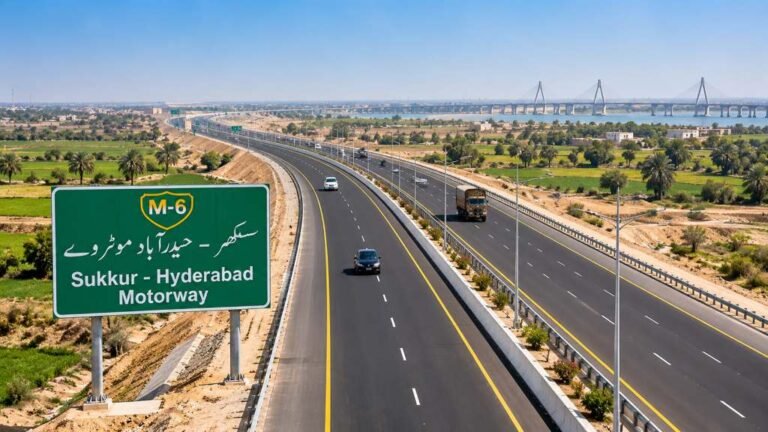
Last year, the Central Development Working Party (CDWP) approved the dualization of the 332-kilometre Khuzdar–Kuchlak stretch at an estimated cost of around Rs100 billion.

Authorities expect the entire project to be completed within two years.

The dual carriageway will replace the existing single road, which often faces congestion, accidents and weather-related disruptions.

Safety and connectivity benefits

A senior official from the NHA’s Engineering Wing told Wealth Pakistan that the dualization of the Khuzdar–Kuchlak section will significantly improve road safety and operational efficiency.

“The project will reduce travel time and lower transportation costs for both passengers and freight,” the official said.

He told Wealth Pakistan that the upgraded road will provide smoother connectivity between Balochistan’s key districts and major national markets.

As a result, trade flows are expected to improve, while tourism and regional economic activity may also receive a boost.

Reducing accidents and improving mobility

The N-25 has long been considered accident-prone due to heavy traffic, narrow lanes and poor road conditions. Therefore, officials believe the new carriageway will help reduce accidents and ensure uninterrupted movement of goods and vehicles.

Improved infrastructure will also support faster emergency response and better law enforcement mobility.

Moreover, year-round accessibility will benefit remote communities, especially during adverse weather conditions when road closures often disrupt travel.

Jobs and local development

Beyond transport benefits, the project is expected to generate employment during the construction phase.

Officials say thousands of direct and indirect jobs may be created, supporting local workers and small businesses.

In the long run, better road connectivity could stimulate investment and contribute to socio-economic development across Balochistan.

Analysts note that improved highways typically strengthen supply chains, reduce logistics costs and integrate remote regions into national markets.

Additional projects underway

Separately, the federal government has also approved the dualization of the 104-kilometre Karoro Wadh–Khuzdar–Chaman section at a cost of Rs133 billion.

An allocation of Rs33 billion has been earmarked for the current fiscal year. However, officials estimate that around Rs50 billion annually will be required over the next two years to complete the project on schedule.

Together, these highway upgrades form part of a broader effort to modernise Balochistan’s road infrastructure and enhance inter-provincial connectivity.