


Chitral Valley witnesses 15% increase in foreign tourist arrivals

ISLAMABAD, April 24 (ABC): Chitral Valley attracted over 2,700 foreign tourists in 2025, marking a 15% increase from 2024
According to documents available with Wealth Pakistan, the number of international visitors reached 2,728 in 2025, a 15% increase over 2024, when 2,373 foreign tourists visited the valley. The steady growth highlights Chitral’s rising appeal as an emerging destination for global travellers seeking nature, culture, and adventure tourism.
The document indicates that foreign tourist inflows have gradually increased over the years, from 1,581 in 2022 to 1,632 in 2023, before a sharp 45% jump in 2024.
Meanwhile, domestic tourism has recorded significant fluctuations but an overall strong surge. In 2025, the number of local tourists soared to 923,894, a massive 151% increase over 367,409 in 2024. In 2023, domestic arrivals totalled 586,159, underscoring that domestic tourism remains a major driver of the region’s travel industry.
The growth in tourist numbers is attributed to improved connectivity, better infrastructure, and increased promotion of northern areas as key travel destinations.
The government is working on developing Madaklasht as a dedicated centre for eco-sports, adventure, and nature tourism under a comprehensive master plan. The initiative aims to attract both domestic and foreign tourists while preserving the natural environment.
With proper infrastructure, environmental safeguards, and consistent policy support, Chitral Valley has the potential to become one of Pakistan’s leading tourism destinations.
The latest figures reflect growing interest in the region and underscore the importance of sustainable tourism development to ensure long-term economic and environmental benefits.
Pakistan starts World Immunization Week 2026 with renewed push for child vaccination
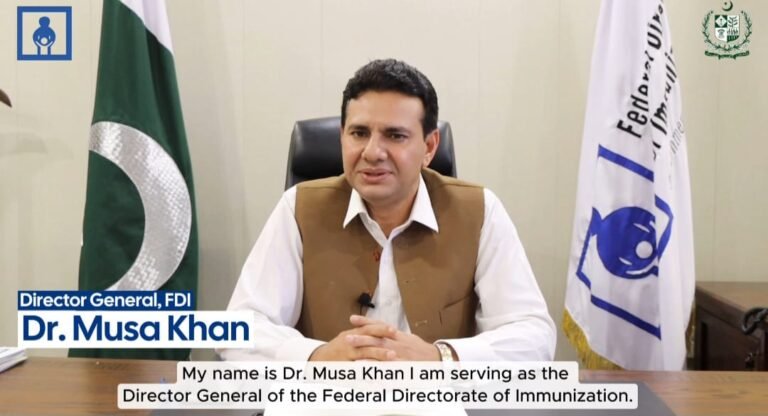
ISLAMABAD, April 24 (ABC): Pakistan has launched activities to mark World Immunization Week 2026, reaffirming its commitment to protect every child through vaccination and strengthen routine immunization coverage across the country.
Every year, the Federal Directorate of Immunization (FDI), under the Ministry of National Health Services, Regulations and Coordination, observes the week in collaboration with provincial and regional Expanded Programme on Immunization (EPI) teams and global partners. The initiative highlights the critical role vaccines play in preventing life-threatening diseases.
Theme highlights lifelong protection
This year’s theme, “For Every Generation, Vaccines Work,” underscores the long-term benefits of immunization. The campaign also carries a strong call to action: “Your decision makes a difference. Get vaccinated.”
In line with current conditions and austerity measures, authorities will mainly use digital platforms and electronic media for outreach. This approach aims to maintain public engagement while ensuring cost-effective awareness campaigns nationwide.
Routine immunization key to healthy nation
“Routine immunization is the foundation of a healthy nation,” said Dr. Musa Khan, Director General of FDI.
He emphasized that timely vaccination protects not only individuals but also strengthens community resilience. “Every vaccination is a step towards a healthier Pakistan,” he added, urging parents to ensure children receive all routine vaccines that protect against 13 life-threatening diseases.
Focus on zero-dose children
Despite progress, officials acknowledged gaps in coverage. Many children, especially in remote and underserved areas, still miss essential vaccines.
Dr. Musa noted that reaching “zero-dose children” remains a top priority. He stressed that improved outreach, stronger community engagement, and trust-building efforts are essential to ensure no child is left behind.
Polio eradication efforts continue
Pakistan is also accelerating efforts under the Global Polio Eradication Initiative as part of its broader immunization strategy.
With only one polio case reported so far this year, the country stands at a crucial stage in its fight against the disease. Officials believe sustained vaccination efforts can help interrupt transmission completely.
Global partnerships strengthen immunization
The FDI, along with provincial EPIs, continues to work with key partners, including Gavi, World Health Organization, UNICEF, Bill & Melinda Gates Foundation, and others.
These collaborations focus on expanding immunization coverage, improving service delivery, and addressing misinformation about vaccines.
Call for collective action
World Immunization Week 2026 serves as a strong reminder that vaccination is a shared responsibility. Parents, caregivers, health workers, media, and community leaders all have a role to play.
By prioritizing immunization and making informed decisions, Pakistan can protect its children, strengthen public health, and secure a healthier future for coming generations.
Crime and lawlessness in society
By Mahnaz Imdad
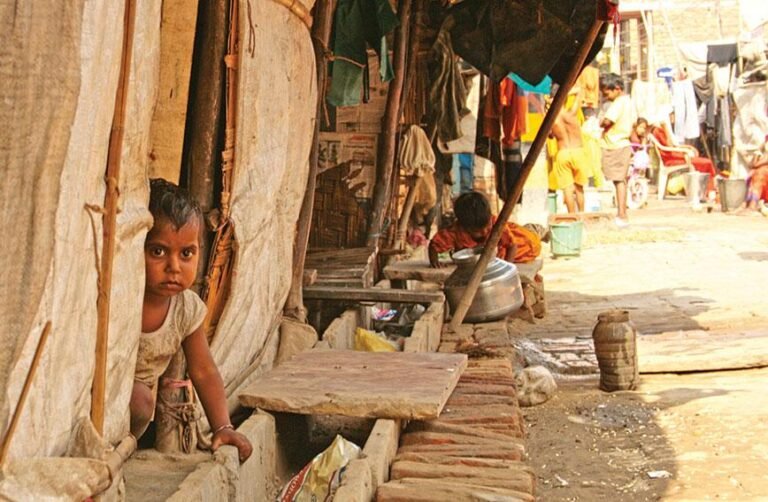
Crime and lawlessness remain among the most serious challenges facing modern societies. They disrupt peace, slow development, and create fear and insecurity among citizens. No country can progress without strong law and order. However, rising criminal activities in many regions continue to damage social harmony, economic growth, and human safety.
Root Causes of Crime
Several factors contribute to the rise in crime. First, poverty and unemployment play a central role. When people cannot meet basic needs such as food, shelter, and education, some turn to illegal activities. Similarly, illiteracy and lack of awareness worsen the situation, as many individuals fail to understand the consequences of breaking the law.
Moreover, weak moral values and poor character-building during early life increase the likelihood of criminal behavior. Without proper guidance, individuals often struggle to distinguish right from wrong.
Drugs, Corruption, and Weak Governance
In addition, drug addiction has emerged as a major driver of crime. Drugs impair judgment and reduce self-control, which often leads to violence, theft, and other serious offenses. At the same time, drug trafficking networks strengthen organized crime.
Corruption further aggravates the problem. When law enforcement agencies lack transparency and the justice system faces delays, criminals feel encouraged. They believe they can escape punishment. Furthermore, political interference, weak governance, and lack of accountability make lawlessness more difficult to control.
Social and Environmental Factors
Social conditions also play a critical role. For instance, children raised in broken families or exposed to domestic violence often develop unstable behavior. Likewise, peer pressure and negative influences push many young people toward gangs and illegal activities.
Media exposure adds another layer to the issue. Violent movies, games, and harmful social media content can normalize aggression, especially among youth.
Urbanization also contributes to rising crime. Overcrowded cities with limited resources create stress and competition. As a result, crimes such as theft and robbery increase. In addition, the easy availability of illegal weapons in some areas makes violent crime more frequent and dangerous.
Rise of Cybercrime
Another growing concern is cybercrime. With rapid technological advancement, crimes such as hacking, online fraud, identity theft, and cyberbullying have become more common. Unfortunately, many people lack awareness of digital safety, which makes them easy targets for online criminals.
Impact on Society
The effects of crime and lawlessness are far-reaching. Most importantly, they create fear and reduce trust within communities. People feel unsafe in their homes, workplaces, and public spaces.
Economic development also suffers. Businesses avoid unsafe areas, investments decline, and tourism decreases. At the same time, essential services like education and healthcare become less effective in unstable environments.
Moreover, crime leaves deep psychological scars. Victims often experience trauma, anxiety, and long-term emotional stress. Families lose financial stability and peace of mind. Consequently, communities become divided, and social unity weakens. In extreme cases, widespread lawlessness can even lead to political instability.
Measures to Reduce Crime
To address these challenges, governments must take strong and practical measures. First, law enforcement agencies should be modernized with better training, advanced equipment, and greater transparency. In addition, the justice system must be fast, fair, and strict so that criminals face timely punishment.
At the same time, authorities must strictly enforce anti-corruption policies to ensure accountability.
Education also plays a vital role. Schools and colleges should promote not only academic learning but also moral values, discipline, and respect for the law. Furthermore, awareness programs can protect youth from drugs, violence, and criminal influences. The media should also encourage positive values instead of glorifying crime.
Economic and Community Solutions
Economic reforms are equally important. Governments should create job opportunities, reduce poverty, and support small businesses. When people achieve financial stability, they are less likely to engage in crime.
In addition, community participation can strengthen law and order. Citizens should cooperate with law enforcement, report suspicious activities, and support peace-building efforts. Strong family systems and positive role models can guide young people toward better choices.
Strengthening Security and Laws
Moreover, authorities must control illegal weapons, improve border security, and monitor criminal networks. Cybersecurity laws should also be strengthened to tackle the growing threat of digital crimes.
Conclusion
In conclusion, crime and lawlessness are complex issues that affect every aspect of society. Nevertheless, these challenges can be controlled through strong laws, quality education, economic stability, and collective responsibility. A safe and peaceful society becomes possible only when governments and citizens work together with honesty, discipline, and unity.
The author is a freelance columnist from Turbat, Balochistan.
Digital audit system implemented in 30 field offices across Pakistan

ISLAMABAD, April 23 (ABC): The government has completed the implementation of the Audit Management Information System (AMIS) in 30 field audit offices across Pakistan. This marks a major step towards digitalising the public sector audit system.
According to official documents available with Wealth Pakistan, all audit teams in field offices are now actively using the system. As a result, the country has achieved a full transition from manual to digital audit processes, reaching 100% progress in AMIS deployment.
Risk-Based Auditing Improves Efficiency
Importantly, all audits conducted through AMIS are now risk-based. This approach enhances audit quality by focusing on high-risk areas. At the same time, it improves resource allocation and strengthens overall transparency and effectiveness within the auditing framework.
Capacity Building of Audit Staff
Alongside digitalisation, the government has made steady progress in capacity building. As part of this initiative, 3,083 audit staff members have received training in new and emerging areas of auditing. This figure represents 88% of the overall target of 3,500.
The training programme aims to equip auditors with modern skills. Consequently, it improves efficiency, transparency, and accountability in public financial management.
Certified Auditors Exceed Target
In another key development, the government has surpassed its target for developing certified auditors. Against the planned 800 auditors, a total of 947 have been trained. This achievement reflects 118% progress.
These certifications include professional accountancy qualifications and specialised diplomas. Therefore, the initiative has significantly strengthened the professional capacity of audit personnel.
Advanced Training Modules Introduced
The training modules cover a wide range of technical areas. These include International Public Sector Accounting Standards (IPSAS), data analytics tools such as Qlik Sense, and thematic and risk-based auditing techniques.
A total of 478 officials received training in IPSAS, while 248 were trained in Qlik Sense. In addition, 146 officials completed training in thematic audits. This distribution highlights a comprehensive and diversified approach to skill development.
Strengthening Governance Through Reforms
The reforms form part of broader efforts to modernise governance structures. They also aim to strengthen oversight mechanisms across the public sector.
Moreover, the integration of technology with human resource development is expected to improve audit performance. It will also support evidence-based policymaking.
Commitment to Transparency and Accountability
Overall, this progress reflects the government’s continued commitment to institutional reforms. These efforts aim to ensure accountability, enhance transparency, and improve financial discipline in the public sector.


FAO holds consultation on sustainable resource management in mountain areas
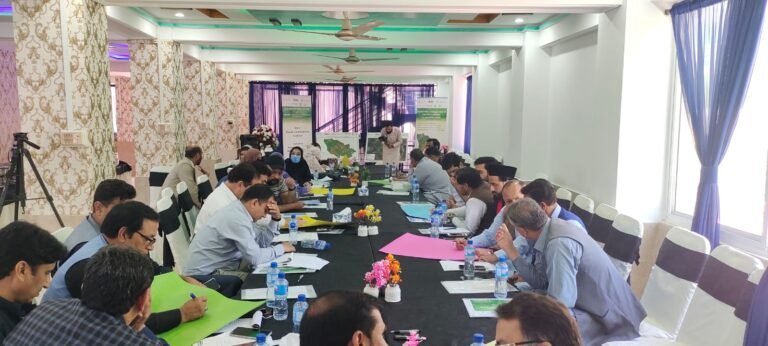
ISLAMABAD, April 22 (ABC): The Food and Agriculture Organization of the United Nations (FAO), in collaboration with the Department of Forests, Wildlife and Fisheries, Azad Jammu and Kashmir, organized a stakeholder consultation in Sudhnoti under the project “Sustainable Management of Natural Resources in Mountain Areas.”
The event gathered government officials, experts, and community representatives. They discussed environmental risks, vulnerabilities, and sustainable solutions for mountain ecosystems.
The consultation aimed to improve understanding of climate and land-related challenges. It also promoted evidence-based planning for sustainable natural resource management. The project is being implemented through FAO’s Mountain Partnership Secretariat with support from the Government of Italy.
Focus on climate risks and conservation
Divisional Forest Officer Sudhnoti Ihsan Ul Haq opened the session. He stressed the importance of conserving natural resources. He added that communities must protect forests and land for future generations.
Deputy Commissioner Sudhnoti Sardar Umar Farooq highlighted key challenges. He said the district has vast forest cover. However, it remains highly vulnerable to climate change.
He pointed out that population growth is increasing pressure on forests. In addition, reliance on fuel wood and timber is rising. Limited alternative energy sources also add to the problem. Moreover, landslides and unplanned development continue to affect the region.
He emphasized the need for plantation drives and forest conservation. At the same time, he appreciated the Forest Department’s reforestation efforts. He termed the consultation timely and assured full support for such initiatives.
Project goals and technical insights
FAO representative Wakas Awan introduced the project. He explained its focus on building institutional and technical capacity. He said the initiative aims to assess environmental and socio-economic vulnerabilities. In particular, it targets issues linked to climate change and land degradation.
Divisional Forest Officer Muzaffarabad Awais Javed delivered a technical presentation. He outlined key environmental hazards in the region. He also shared local mitigation strategies to reduce risks.
Community engagement and way forward
Participants joined an interactive discussion session. They shared local perspectives on environmental challenges. They also suggested practical solutions for sustainable land use.
The session included questionnaire-based data collection. This step will support subnational risk assessments and future planning.
Finally, the district administration and the Forest Department concluded the event with a vote of thanks. They reaffirmed their commitment to sustainable land use, ecosystem protection, and climate resilience in mountain areas.
Over 67,000 youth complete skills programme training
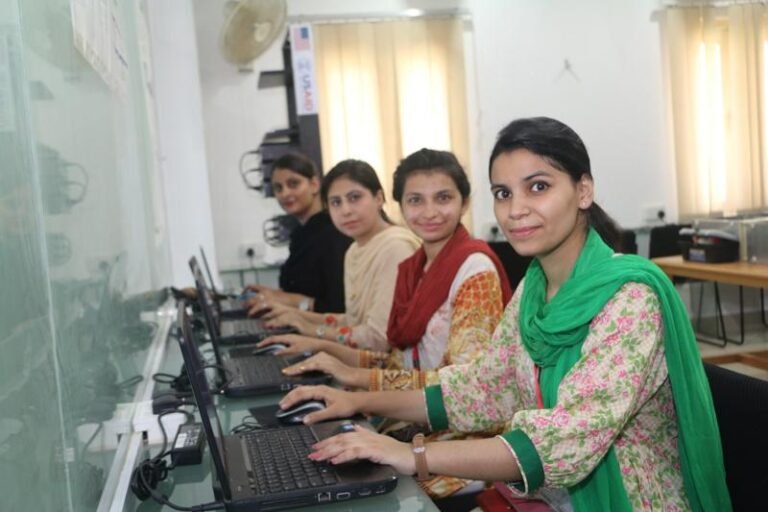
ISLAMABAD, April 22 (ABC): A total of 67,304 trainees successfully completed training under the Prime Minister’s Youth Skill Development Programme during 2024–25.
According to official documents available with Wealth Pakistan, the programme allocated 77,216 training seats nationwide. Out of these, 75,753 candidates enrolled, showing strong participation across the country.
Punjab recorded the highest share. It allocated 37,705 seats and enrolled 36,995 candidates. Among them, 33,973 trainees completed the programme. Sindh followed with 11,795 seats. It enrolled 11,299 candidates, of whom 10,114 completed the training.
Khyber Pakhtunkhwa allocated 7,969 seats and enrolled 7,806 candidates. A total of 6,891 trainees completed the programme. Balochistan allocated 6,252 seats and enrolled 6,219 candidates, with 5,978 successful completions.
The Islamabad Capital Territory (ICT) also showed strong participation. It allocated 13,495 seats and enrolled 13,434 candidates. Out of these, 10,348 trainees completed the training.
The documents further show that the National Vocational and Technical Training Commission (NAVTTC) implemented the Summer of Code 2025 programme to promote digital skills. A total of 6,545 trainees participated nationwide.
Punjab again led the programme with 3,314 trainees. ICT followed with 1,089 participants, while Sindh recorded 1,025 trainees. Khyber Pakhtunkhwa had 662 participants, and Balochistan reported 455 trainees.
Region-specific data shows that Balochistan accounted for 13,103 seats under various initiatives in 2025. These included Batch-II and Batch-III of the Prime Minister’s programme, the women-focused “She Fixes” initiative, and Summer of Code Batch-II.
These programmes aim to improve employability and promote digital skills. They also seek to reduce regional disparities in access to vocational training. The continued expansion highlights the government’s focus on human capital development and youth empowerment as drivers of economic growth.