



ISLAMABAD, Feb 10 (ABC): Terrorist organisations operating across conflict regions are increasingly adopting modern technologies such as drones, satellite communication systems and encrypted digital platforms, making detection and interception more difficult for security agencies, according to a United Nations monitoring report.
The UN Analytical Support and Sanctions Monitoring Team said armed groups are no longer relying solely on conventional tactics. Instead, they are integrating affordable commercial technologies into their operations to improve mobility, communication and operational security.
Security experts say these developments are reshaping the threat landscape and complicating counter-terrorism efforts worldwide, including in South Asia.
Drones becoming a key tool
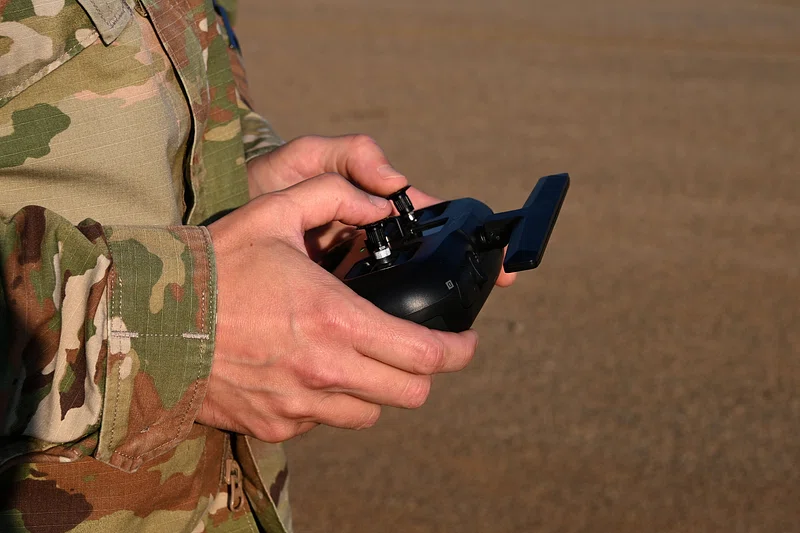
According to the assessment, several militant groups have expanded their use of drones for reconnaissance and surveillance.
The report noted that drones are being deployed to monitor troop movements, identify targets and coordinate attacks. In some theatres, fighters are also experimenting with weaponizing drones to strike government and military positions.
Analysts say unmanned aerial systems allow militants to gather real-time intelligence while staying out of reach of ground forces.
As a result, security personnel face greater challenges in tracking hostile movements, especially in remote or mountainous terrain.
Satellite communications widen reach
The UN team also highlighted the growing use of satellite-based communications.
Unlike traditional mobile networks, satellite systems allow fighters to communicate from isolated areas that lack cellular coverage. This enables groups to coordinate operations, transfer information and maintain contact across long distances.
Officials say such connectivity acts as a force multiplier. It allows militants to operate even in regions where state communication infrastructure is weak or absent.
Consequently, interception and monitoring become more complex for law-enforcement agencies.
Encrypted and digital tools on the rise
Meanwhile, militants are increasingly relying on encrypted messaging applications and digital platforms to protect internal communications.
The report observed that these tools help groups maintain operational secrecy and avoid surveillance. Some organisations are also using online propaganda, digital fundraising methods and emerging technologies to recruit and mobilise supporters.
Security analysts warn that these digital capabilities allow groups to expand influence beyond physical battlefields.
Security implications for the region
Experts say the shift toward technology-driven tactics signals a broader evolution in militant strategy.
Instead of large formations, groups now prefer smaller, mobile cells supported by modern communication tools. This approach reduces their visibility and increases survivability.
For countries like Pakistan, which face varied terrain and long borders, such tactics present additional challenges for intelligence gathering and rapid response.
Need for adaptive countermeasures
The UN report underscores the importance of adapting counter-terrorism strategies to match these technological changes.
Officials say stronger surveillance systems, improved cyber monitoring and enhanced regional coordination will be essential to counter evolving threats.
As militant organisations modernise their tools, security agencies are also expected to upgrade capabilities to prevent misuse of commercial technology for violent purposes.