


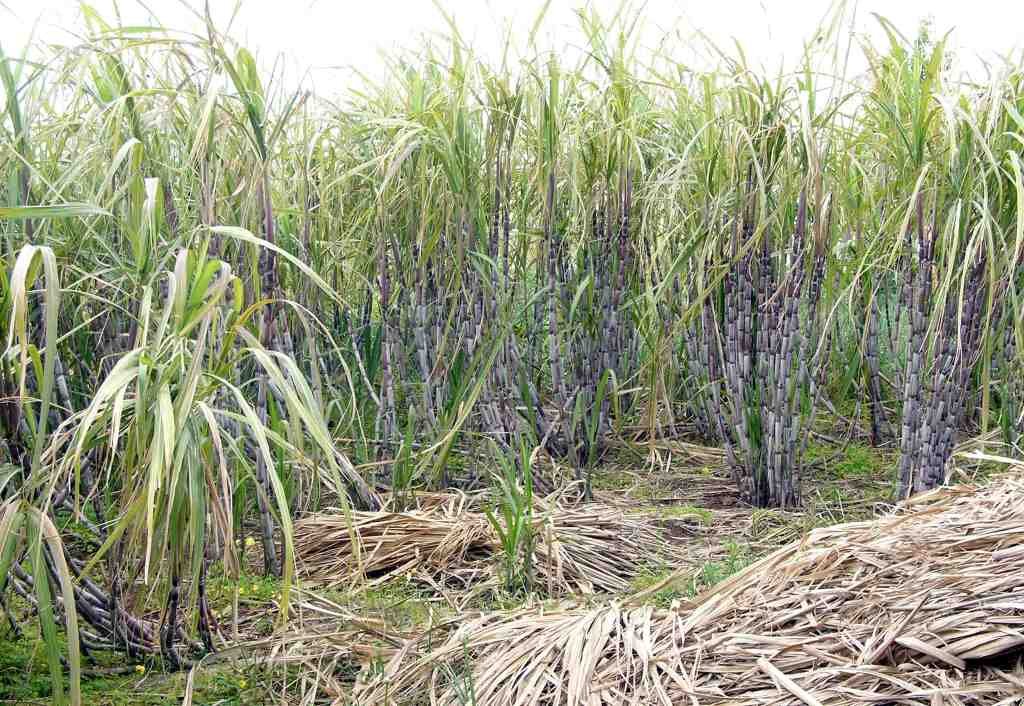

LAHORE, Feb 12 (APP): Farmers across Punjab have started sowing the spring sugarcane crop after more than 70 percent of the current sugarcane harvest was crushed by 41 sugar mills operating in the province. Growers are planting within the recommended February–March window to ensure better yields and timely harvesting.
Talking to Wealth Pakistan, Director of Sugarcane Research Institute (SRI) Faisalabad Dr Kashif Munir said spring sowing accounts for nearly 70 percent of total sugarcane cultivation in Punjab. In contrast, September cultivation contributes only 10 to 15 percent, while farmers obtain the remaining output through ratoon crops.
He explained that ratoon sugarcane grows again from underground stubble left after harvesting the previous crop. This method saves time and cost but usually gives lower yields than fresh planting.
Dr Munir said the recommended varieties for the current spring season include CPF-253, CP-77-400, HSF-240 and CPF-237. He added that newly approved varieties — FDP-254, S2016 and S-284 — are also available this year. According to him, the prevailing weather conditions favour spring cultivation and support healthy crop growth.
However, farming representatives said sugar mills generally prefer September-sown cane because it matures in about 15 months and delivers higher sucrose recovery. The spring crop matures in around 10 months.
“Sugar mills obtain higher sucrose recovery from September-grown sugarcane, but farmers face losses because autumn sowing forces them to give up up to three cropping cycles,” Ebadur Rehman Khan, Director of Farmers Associates Pakistan, told Wealth Pakistan.
Industry performance improves
Punjab’s sugar industry has shown strong performance during the current crushing season. According to Cane Commissioner Punjab Amjad Hafeez, mills have crushed 30.83 million tons of sugarcane so far and produced 2.93 million tons of sugar.
He said this marks a clear improvement over last year, when mills crushed 28.60 million tons of cane and produced 2.59 million tons of sugar during the same period. The average recovery rate also increased to 9.69 percent from 9.18 percent last year.
Stocks decline, supply rises
The cane commissioner noted that carry-forward sugar stocks dropped sharply to 0.11 million tons compared to 0.60 million tons a year earlier. As a result, total sugar availability in the province now stands at 3.04 million tons.
He added that mills have sold 1.20 million tons of sugar during the current season, leaving a closing balance of 1.83 million tons.
Prices and payments
Hafeez said the average price received by growers stands at Rs460 per 40 kg. The minimum price of Rs400 per 40 kg was recorded in Kot Addu and Sargodha, while the maximum price of Rs580 per 40 kg was observed in Mianwali.
With improved supply in the market, ex-mill sugar prices range between Rs142 and Rs146 per kilogram. Retail prices vary between Rs145 and Rs160 per kg. Data from the Punjab Bureau of Statistics show that sugar prices across the province range from Rs145 to Rs170 per kg.
Regarding payments, the cane commissioner said mills purchased sugarcane worth Rs342.53 billion during the 2025-26 crushing season. Out of this, they have already paid Rs317.46 billion. The outstanding amount stands at Rs25.08 billion, reflecting a payment clearance rate of 92.68 percent.