


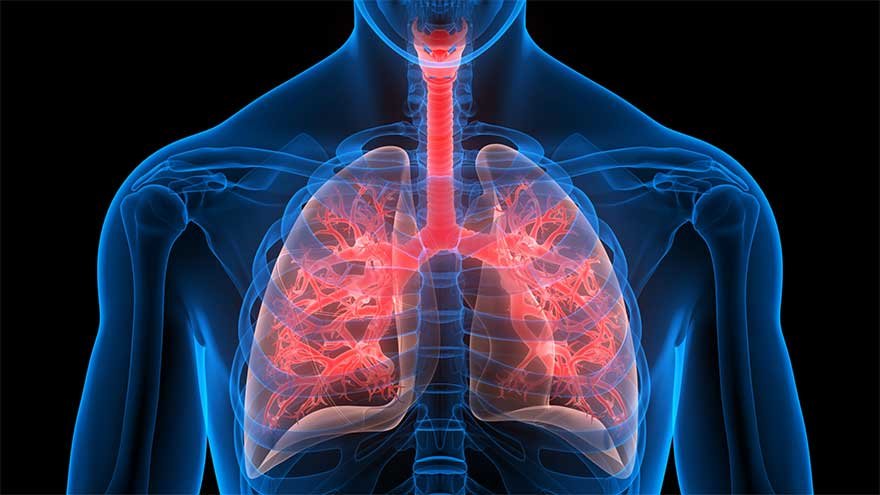

LONDON: Researchers at the Francis Crick Institute have developed a sophisticated “human lung-on-a-chip” model using stem cells derived from a single individual, enabling detailed study of how a person’s lungs respond to respiratory infections such as tuberculosis.
The research, led by Max Gutierrez, marks a significant advance in disease modelling and treatment development. Scientists say the technology allows therapies to be tested on a miniature replica of a patient’s own lung, paving the way for more personalised treatments while reducing dependence on animal testing.
The lung-on-a-chip model is built using organ-on-a-chip technology, in which lung cells are grown on a thin membrane inside a small device designed to simulate natural breathing movements. This environment enables researchers to closely observe early-stage interactions between immune cells and disease-causing bacteria.
Unlike earlier laboratory models that used a mixture of cells from different donors, the new approach relies on genetically identical cells from a single person. Researchers say this innovation provides a clearer picture of disease progression and individual biological responses, supporting the development of tailored medical therapies.
In laboratory experiments, the model showed that the lung’s cellular barrier began to break down five days after exposure to tuberculosis bacteria, mirroring early stages of infection observed in humans.
Scientists say the breakthrough aligns with global efforts to find alternatives to animal testing and to advance personalised medicine, which focuses on individual variations in disease behaviour and treatment effectiveness.