
Home Blog Page 44

Over 100 enterprises operating in Pakistan’s olive sector

0

ISLAMABAD, Feb 16 (ABC): More than 100 enterprises are now operating in Pakistan’s olive sector, reflecting rapid plantation growth, stronger private participation, and rising domestic and global demand, the head of the National Olive Project said.

Mohammad Tariq, National Project Director of the Olive Promotional Program in Pakistan, told Wealth Pakistan that the government is close to securing cabinet approval for a national olive policy. “With government backing, the roadmap for sustainability is taking shape,” he said.

Rapid growth in olive enterprises

Tariq said the number of enterprises has increased sharply. At the start of the program, only one or two enterprises were active. Today, more than 100 businesses operate in marketing, processing, value addition, and related services.

He described olive as a high-value crop with significant potential. “The olive sector is emerging in Pakistan and offers one of the best opportunities to diversify agriculture,” he said.

Investment opportunities across the value chain

The national olive program covers cultivation, processing, branding, packaging, certification, and export. As a result, investors can explore opportunities not only in farming but also in consultancy, nurseries, processing, marketing, and branding.

Moreover, Tariq noted that limited skilled manpower and technical expertise create additional openings for investment in training and specialized services. “There is strong potential to increase export and trade in this area,” he added.

Competitive advantage and rising demand

Pakistan’s large and low-cost labour force gives the country a competitive edge over traditional olive-producing nations. In contrast, many established producers face labour shortages and rising production costs.

At the same time, urban consumption of olive products continues to grow. The number of consumers has increased steadily in recent years, further supporting sector expansion.

Although challenges remain — including reliance on imported machinery and limited business advisory services — untapped areas such as olive leaf, olive fruit, and olive pomace processing offer further room for growth.

Imports decline as exports rise

Tariq said olive imports are declining while exports are increasing, signaling positive momentum. He added that global olive oil trade is expected to expand significantly due to rising health awareness worldwide.

Sustained efforts have also led to the development of 19 high-yielding, disease-resistant, and climate-resilient varieties of several high-value crops, including olive.

“Olive is a promising and attractive sector in Pakistan. With continued support, it can participate in global trade and generate impressive returns,” Tariq said.

Expansion across provinces

Olive development is progressing in phases. Plantations expand each year, while oil extraction units of varying capacities are being installed across provinces and regions.

Importantly, the government has focused on strengthening the entire olive value chain instead of limiting efforts to cultivation. Authorities have established value-addition laboratories to demonstrate fruit processing, depitting, grading, and slicing. In addition, they offer processing plants to the private sector on a matching-grant basis.

Nursery tunnels have reduced reliance on imported plants from Italy, Spain, Turkey, and Tunisia. Certified olive plants are now produced locally by the private sector, supported by a reference laboratory for olive oil quality testing.

Boost to rural economy and climate resilience

Tariq emphasized that the program aims to strengthen Pakistan’s economy, especially the rural economy. Large tracts of barren land have been converted into productive farmland. Consequently, land degradation and desertification have declined.

Significant progress has been recorded in the Potohar region, including Rawalpindi, Attock, and Jhelum, where olive cultivation was previously absent. Expansion of plantations has helped reduce soil erosion and downstream siltation during monsoon seasons. Furthermore, it has strengthened rural livelihoods and improved climate resilience.

Work on Akram Wah Canal project in Sindh set to begin in March

0

ISLAMABAD, Feb 15 (ABC): Authorities will start rehabilitation and improvement work on the Akram Wah Canal in March 2026 under the Sindh Water and Agriculture Transformation (SWAT) Project, financed by the World Bank.

According to official documents available with Wealth Pakistan, the SWAT Project carries total funding of $320 million. Out of this amount, International Development Association credits provide $292 million, while the government of Sindh contributes the remaining share.

The irrigation and agriculture departments are implementing the project. They aim to improve agricultural water productivity, strengthen irrigation services and support small and medium farmers across Sindh.

Project covers 23 districts

The project covers 23 districts. These include Badin, Dadu, Ghotki, Hyderabad, Jacobabad, Jamshoro, Kashmore, Khairpur Mirs, Larkana, Matiari, Mirpur Khas, Naushahro Feroze, Qambar Shahdadkot, Sanghar, Shaheed Benazir Abad, Shikarpur, Sujawal, Sukkur, Tando Allahyar, Tando Muhammad Khan, Tharparkar, Thatta and Umerkot.

In particular, officials consider the Akram Wah Canal a key part of the province’s water reform strategy. Therefore, they expect the canal upgrade to improve water delivery in several command areas.

Institutional and field-level progress

So far, authorities have launched a hydro-agro informatics program to improve data-driven water management. In addition, they have prepared area development plans for farmer organizations.

Moreover, field teams are conducting demonstrations on climate-smart agriculture. These demonstrations help farmers adopt efficient irrigation and crop practices.

As a result, farmers can use water more effectively and reduce losses in the system.

Financing structure and approvals

The financing package includes a $98 million concessional credit with a 30-year repayment period. In addition, the project includes a $192 million non-concessional credit based on the Secured Overnight Financing Rate plus spread.

The Executive Committee of the National Economic Council approved the project in 2022 after the Central Development Working Party recommended it. Subsequently, the World Bank Board cleared the project.

Officials describe the SWAT Project as a flagship initiative for Sindh. Overall, they expect it to strengthen water governance, raise irrigation efficiency and enhance agricultural resilience in the province.

Chinese firm partners with universities to modernize Pakistan agriculture

0

ISLAMABAD, Feb 14 (ABC): A leading Chinese seed company has partnered with universities, research institutes and agribusinesses to modernize Pakistan agriculture by upgrading skills and introducing advanced cultivation techniques.

Zhou Xusheng, Country Director of Wuhan Qingfa Hesheng Seed Company Ltd, told Wealth Pakistan that farmer education remains central to the company’s strategy. He said the firm is building long-term research capacity in Pakistan to address climate stress and rising food demand.

He said seed innovation must go hand in hand with farmer training. Providing quality seed alone is not enough. Farmers must also learn how to use it properly to improve yields and reduce risks.

The company runs both online and in-person programs to train technicians and partner teams. These programs focus on cultivation practices, variety characteristics and climate risk management. Zhou said knowledge transfer plays a key role in sustainable growth.

“In China, we believe it is not enough to give people fish. The most important thing is to teach them how to catch fish,” he said.

Each year, Wuhan Qingfa Hesheng Seed Company holds more than 100 field training sessions for Pakistani farmers. Zhou said the company follows a clear approach: study in China and utilize in Pakistan.

Under China-Pakistan collaboration, 1,000 Pakistani agriculture graduates have completed three months of training in China. Wuhan Qingfa Hesheng Seed Company and Huazhong Agricultural University co-hosted the program. They designed the curriculum around Pakistan’s seed technology needs.

Zhou said the program followed consultations with Chinese authorities and Pakistan’s leadership. After that, students were invited to train in his home city. In addition to classroom instruction, participants received hands-on exposure at China’s National Agricultural Park and National Agricultural High Technology Zone.

The trainees also visited fertilizer, agrochemical, seed, horticulture and food processing companies. They observed how Chinese enterprises apply modern agricultural technologies across the full production chain.

Zhou said students responded positively to the initiative. After returning home, they will rejoin field programs in Pakistan and apply their training in local conditions.

Women’s empowerment is also part of the company’s strategy. The firm plans to work with local governments to increase women’s participation in agriculture. It aims to support family-based processing initiatives that allow women to earn income while improving household nutrition.

Zhou said Pakistan’s fertile soil, favorable climate and hardworking farmers offer strong agricultural potential. However, frequent heatwaves and floods linked to climate change have increased the need for heat-tolerant crop varieties.

To meet this challenge, Wuhan Qingfa Hesheng Seed Company is developing new varieties directly in Pakistan instead of relying only on trials conducted in China. It is also expanding winter crop programs to introduce Chinese vegetable varieties suited to local conditions.

Pakistan’s vegetable sector faces strong domestic demand from its 242 million population. Daily consumption remains high. Zhou said introducing leading Chinese vegetable varieties will help local farmers ensure stable supply and support Pakistan agriculture growth.

Pakistan’s inflation ghost

0

Waseem Hasil

In the vibrant bazaars of Lahore and the quiet streets of Turbat, the conversation is strikingly similar. Despite repeated assurances that the economic “storm has passed,” the cost of living still weighs heavily on ordinary families. Inflation in Pakistan has cooled from the painful peaks of recent years, but it has not disappeared.

As we move through early 2026, headline inflation stands around 5.8%. That number looks modest compared to the 30% surge witnessed in 2023. Yet for the working class, prices still feel uncomfortably high. Inflation has shifted from a raging wildfire to a slow and stubborn burn.

So why does this inflation ghost refuse to leave?

Energy costs keep pressure on prices

Energy remains the backbone of Pakistan’s inflation story. Electricity and gas tariffs continue to rise as the government works to contain circular debt and meet commitments to international lenders. These adjustments often set a floor under prices.

Even when global oil prices ease, domestic tariffs rarely fall. Authorities prioritize debt servicing and fiscal discipline. As a result, production costs remain elevated. When factories pay more for power, the price of flour, textiles, and manufactured goods inevitably rises.

Energy inflation feeds directly into food inflation and industrial inflation. Until structural reforms reduce circular debt and expand local energy production, this pressure will persist.

Food inflation reflects structural weakness

Pakistan is an agricultural country, yet food prices remain volatile. Climate-related disruptions, including flood-linked supply chain shocks in late 2025, exposed serious vulnerabilities.

Some items such as potatoes and onions have stabilized. However, essential goods like wheat, milk, and chicken continue to climb in price. The absence of modern cold-chain systems and storage facilities worsens the situation. Farmers often sell at low prices during harvest, while consumers later pay more due to artificial shortages.

Middlemen exploit weak market regulation. Seasonal shocks quickly translate into price spikes. Food inflation therefore remains a key driver of household stress.

Exchange rate pass-through still lingers

Pakistan imports fuel, machinery, chemicals, and industrial inputs. This import dependence makes inflation sensitive to the exchange rate.

Although the rupee has stabilized in 2026, the impact of earlier devaluations still lingers. Businesses that absorbed costs during the 300+ PKR/USD phase remain cautious. Many hesitate to lower prices, fearing another currency slide.

This pass-through effect slows price correction. Even when macroeconomic indicators improve, retail prices often stay elevated.

Inflation expectations shape pricing behavior

Psychology plays a powerful role in inflation dynamics. After the shock of hyperinflation in 2023, consumers and retailers adjusted their expectations. Shopkeepers now factor future uncertainty into present pricing.

Vendors maintain higher margins because they anticipate more expensive restocking. Consumers, expecting further increases, rush purchases. This behavior reinforces inflationary pressure.

Such inflation expectations create a self-fulfilling cycle. Breaking this cycle requires consistent policy signals and sustained stability.

Core inflation reveals deeper imbalance

Headline inflation has dropped sharply. However, core inflation, which excludes food and energy, remained near 7.4% in the first half of FY26. This indicates persistent increases in services, education, health, and housing.

Core inflation reflects structural imbalances. It signals that high interest rates alone cannot solve underlying inefficiencies. Structural reforms in taxation, governance, and productivity remain essential.

There are signs of progress

Despite these challenges, there is measurable improvement. The State Bank of Pakistan has maintained a disciplined monetary stance. Weekly readings of the Sensitive Price Indicator show relative stability compared to past volatility.

Economic growth is projected near 4.5% this year. That suggests recovery momentum is building. Stability in foreign exchange reserves and tighter fiscal management also strengthen confidence.

The inflation ghost has not vanished, but it has weakened.

A gradual exit, not a sudden relief

Inflation in Pakistan will not disappear overnight. It will fade gradually as structural reforms take root. Sustainable relief requires investment in domestic energy production, modernization of agriculture, improved storage systems, and reduced reliance on imports.

Until Pakistan strengthens its productive base, price stability will remain fragile. For millions of households, the cost of living will continue to shape daily decisions.

The country has moved past crisis mode. Now it must move toward resilience. Only then will the inflation ghost finally leave the house.

Pakistan steps up rice export drive to GCC, Africa

0

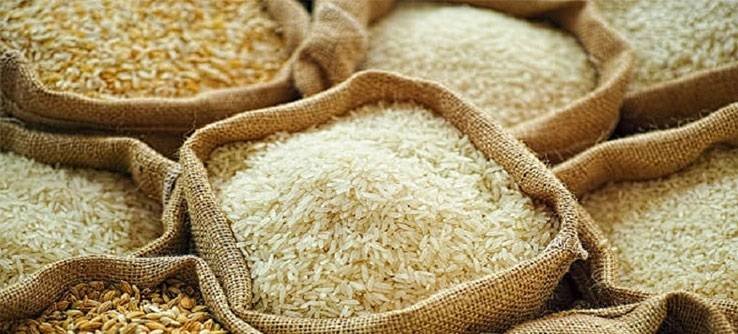
ISLAMABAD, Feb 13 (ABC): Pakistan has intensified efforts to boost rice exports to Gulf Cooperation Council (GCC) countries and African markets by improving market access, signing trade deals, and increasing participation in international exhibitions, official documents show.

According to documents available with Wealth Pakistan, Pakistani rice already enjoys zero import duty in the GCC region. This gives local exporters a strong price advantage over competitors.

GCC markets offer strong potential

Saudi Arabia and the United Arab Emirates remain the largest buyers of Pakistani rice. However, exporters still face price competition from other suppliers.

Authorities are therefore working to increase Pakistan’s share in these markets. To strengthen ties, the government facilitated delegations of the Rice Exporters Association of Pakistan (REAP) to Saudi Arabia to meet buyers and expand trade links.

Meanwhile, Pakistani companies continue to promote their products at global food events. At Gulfood Expo 2026 in Dubai, exporters are actively showcasing Pakistani rice to international buyers and distributors.

Africa emerges as key growth destination

At the same time, Africa has become a major focus for Pakistan rice exports. The government has launched several trade and promotional initiatives to open new opportunities for exporters.

Pakistan is currently negotiating a Preferential Trade Agreement (PTA) with Mozambique. The draft agreement is in the final stages. Rice is expected to receive priority treatment during tariff talks to ensure easier access.

Similarly, authorities are preparing to begin Free Trade Agreement (FTA) negotiations with the East African Community (EAC). Rice ranks among the main products identified for tariff reductions under the proposed deal.

TDAP boosts marketing and outreach

The Trade Development Authority of Pakistan (TDAP) has stepped up on-ground marketing efforts across Africa.

In August 2025, TDAP organized the first Pakistan Rice Road Shows in West Africa. These events were held in Ghana, Côte d’Ivoire, and Senegal. Exporters promoted their products, met importers, and held business-to-business meetings to build long-term partnerships.

In Kenya, direct engagement with government authorities improved pricing competitiveness. Officials revised customs valuation for Pakistani rice from FOB $615 per metric ton to FOB $460 per metric ton. As a result, Pakistani rice became more attractive to Kenyan buyers.

Exhibitions strengthen trade links

Under the government’s ‘Look Africa Policy,’ five flagship Single Country Exhibitions have been organized across different African regions. Rice exporters received strong representation at these events, including the latest exhibition in Ethiopia in 2025.

TDAP also facilitated African buyers’ participation in all three editions of its International Food and Agro Exhibition (FoodAG). These efforts helped strengthen direct trade connections and boost Pakistan rice exports, the document concluded.

Imran Khan ‘loses 85pc vision’ in right eye

0

ISLAMABAD, Feb 12 (ABC): The Supreme Court on Thursday ordered the formation of a medical board to examine former prime minister Imran Khan after he reported losing most of the vision in his right eye while in Adiala Jail.

The court also directed jail authorities to allow him to speak to his children. Both steps must be completed before February 16.

A two-member bench headed by Chief Justice of Pakistan Yahya Afridi and comprising Justice Shahid Bilal Hassan heard the case related to Khan’s prison conditions.

The chief justice said Khan’s health was the court’s top priority and required immediate attention. He asked the government to explain what medical care the prisoner was receiving.

Attorney General for Pakistan Mansoor Usman Awan told the court that the state would ensure proper treatment. He said the government would take further measures if the prisoner remained unsatisfied.

Vision dropped to 15 per cent

Advocate Salman Safdar met Khan earlier this week after the court appointed him as amicus curiae. He later submitted a seven-page report.

According to the report, Khan told him that he had normal 6×6 vision in both eyes until October 2025. After that, he began to experience blurred and hazy sight.

He said he informed jail officials several times, but they did not arrange specialist care.

Khan told Safdar that he suddenly lost vision in his right eye. Doctors later diagnosed a blood clot. Despite treatment, only 15 per cent vision remains.

Safdar wrote that Khan appeared distressed during the meeting. His eyes watered constantly, and he repeatedly wiped them with tissues.

Pims doctors confirm diagnosis

Doctors from the Pakistan Institute of Medical Sciences examined Khan at the jail.

A medical report signed by Executive Director Professor Dr Rana Imran Sikander stated that specialists carried out a full eye assessment. The tests included fundoscopy, pressure checks and optical coherence tomography.

Doctors diagnosed right central retinal vein occlusion. They advised hospital-based treatment.

The report said doctors brought Khan to Pims on January 24 and administered an anti-VEGF intravitreal injection. The procedure took about 20 minutes and finished without complications.

Access to doctors questioned

Khan also raised concerns about medical access.

He said authorities did not conduct regular blood tests. He added that jail officials did not allow visits from his personal physicians, Dr Faisal Sultan and Dr Asim Yusuf, despite repeated requests.

He further said no dentist examined him over the past two years.

Safdar noted these complaints in his submission and asked the court to ensure better medical oversight.

Calls with children allowed

The court also addressed Khan’s contact with family.

The chief justice said phone calls with his children were important. The bench ordered authorities to facilitate the calls before the next hearing.

However, the court said the Islamabad High Court would decide broader matters related to family meetings.

The Supreme Court directed the jail administration to comply with both orders and submit reports at the next date of hearing.

Coffee, porridge and fruit: Imran Khan details jail meal plan

0

ISLAMABAD, Feb 12 (ABC): Former prime minister Imran Khan has outlined his daily routine and weekly meal plan at Adiala Jail, describing a structured schedule that includes prayer, exercise and a self-financed food arrangement.

Details of his routine were included in a report submitted to the Supreme Court by Advocate Salman Safdar, who met the PTI founder after being appointed amicus curiae in a case concerning his prison conditions.

Structured day inside Adiala Jail

According to the report, Imran begins his day with breakfast at around 9:45am. His morning meal consists of a cup of coffee, porridge and a few dates.

At approximately 11:30am, he recites the Holy Quran for about an hour. He then undertakes physical exercise using the limited equipment available in his compound, including an exercise bike, two 9-kilogram weights and a bar.

After showering at around 1:15pm, he is permitted access to a strolling shed within the secured compound, where he may sit or walk. Lunch is served between 3:30pm and 4:00pm, followed by a brief walk at around 5:00pm.

From approximately 5:30pm until 10:00am the following morning, he remains confined to his cell, according to the report.

Self-financed weekly meal plan

The report states that Imran selects his weekly meal plan and that it is financed by his family.

For lunch, which he described as his main meal of the day, the plan includes two days of chicken, two days of meat, two days of lentils and occasionally chaat or snacks. Bottled drinking water is made available to him.

He told Safdar that he does not take a full dinner. Instead, he consumes fruit, milk and dates in the evening.

Health concerns raised alongside routine

While outlining his routine, the former premier also raised health-related concerns. He stated that regular blood tests were not conducted and that he had not received dental consultation despite repeated requests over the past two years.

He further claimed that his access to personal physicians had been restricted during the period when his eye condition deteriorated.

The Supreme Court has since ordered the formation of a medical team to examine his eye and directed that he be allowed to speak to his children before February 16, as proceedings regarding his prison conditions continue.

Fresh cane cultivation begins as Punjab mills crush 70% of crop

0

LAHORE, Feb 12 (APP): Farmers across Punjab have started sowing the spring sugarcane crop after more than 70 percent of the current sugarcane harvest was crushed by 41 sugar mills operating in the province. Growers are planting within the recommended February–March window to ensure better yields and timely harvesting.

Talking to Wealth Pakistan, Director of Sugarcane Research Institute (SRI) Faisalabad Dr Kashif Munir said spring sowing accounts for nearly 70 percent of total sugarcane cultivation in Punjab. In contrast, September cultivation contributes only 10 to 15 percent, while farmers obtain the remaining output through ratoon crops.

He explained that ratoon sugarcane grows again from underground stubble left after harvesting the previous crop. This method saves time and cost but usually gives lower yields than fresh planting.

Dr Munir said the recommended varieties for the current spring season include CPF-253, CP-77-400, HSF-240 and CPF-237. He added that newly approved varieties — FDP-254, S2016 and S-284 — are also available this year. According to him, the prevailing weather conditions favour spring cultivation and support healthy crop growth.

However, farming representatives said sugar mills generally prefer September-sown cane because it matures in about 15 months and delivers higher sucrose recovery. The spring crop matures in around 10 months.

“Sugar mills obtain higher sucrose recovery from September-grown sugarcane, but farmers face losses because autumn sowing forces them to give up up to three cropping cycles,” Ebadur Rehman Khan, Director of Farmers Associates Pakistan, told Wealth Pakistan.

Industry performance improves

Punjab’s sugar industry has shown strong performance during the current crushing season. According to Cane Commissioner Punjab Amjad Hafeez, mills have crushed 30.83 million tons of sugarcane so far and produced 2.93 million tons of sugar.

He said this marks a clear improvement over last year, when mills crushed 28.60 million tons of cane and produced 2.59 million tons of sugar during the same period. The average recovery rate also increased to 9.69 percent from 9.18 percent last year.

Stocks decline, supply rises

The cane commissioner noted that carry-forward sugar stocks dropped sharply to 0.11 million tons compared to 0.60 million tons a year earlier. As a result, total sugar availability in the province now stands at 3.04 million tons.

He added that mills have sold 1.20 million tons of sugar during the current season, leaving a closing balance of 1.83 million tons.

Prices and payments

Hafeez said the average price received by growers stands at Rs460 per 40 kg. The minimum price of Rs400 per 40 kg was recorded in Kot Addu and Sargodha, while the maximum price of Rs580 per 40 kg was observed in Mianwali.

With improved supply in the market, ex-mill sugar prices range between Rs142 and Rs146 per kilogram. Retail prices vary between Rs145 and Rs160 per kg. Data from the Punjab Bureau of Statistics show that sugar prices across the province range from Rs145 to Rs170 per kg.

Regarding payments, the cane commissioner said mills purchased sugarcane worth Rs342.53 billion during the 2025-26 crushing season. Out of this, they have already paid Rs317.46 billion. The outstanding amount stands at Rs25.08 billion, reflecting a payment clearance rate of 92.68 percent.

None under 18 can marry in Punjab now

0

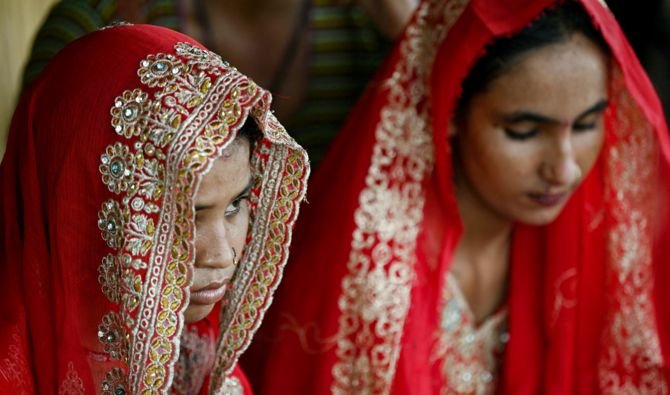
LAHORE, Feb 11 (ABC): Punjab has fixed 18 years as the minimum legal age for marriage for both boys and girls and introduced strict penalties, including up to seven years imprisonment and fines reaching Rs1 million, under the Punjab Child Marriage Restraint Ordinance 2026.

The ordinance was promulgated by the Governor and published in an Extraordinary Issue of the Punjab Gazette. It has taken immediate effect across the province.

Under the law, a “child” means any person below 18 years of age. Consequently, any Nikah or marriage where either party is under 18 will be illegal.

Registrars barred from registering child marriages

Nikah registrars cannot register such unions. If they do, they may face simple imprisonment of up to one year and a fine of Rs100,000.

Officials said the step closes a key loophole that previously allowed underage marriages to be recorded.

Adults face rigorous imprisonment

The ordinance places direct liability on adults who marry minors.

Any person above 18 years who contracts marriage with a child may face rigorous imprisonment of up to three years. The sentence cannot be less than two years. The court may also impose a fine of up to Rs500,000.

Child marriage treated as abuse

The law also classifies cohabitation resulting from a child marriage as child abuse. This applies even if consent is claimed.

Those who induce, persuade, groom or coerce a child into such arrangements may face five to seven years imprisonment. In addition, the fine cannot be less than Rs1 million.

Trafficking to evade law criminalised

The government has also criminalised attempts to move children outside Punjab to bypass the restrictions.

Anyone who transports or compels a child to leave the province for marriage may be charged with child trafficking. The punishment may extend to seven years imprisonment along with a fine of up to Rs1 million.

Recruiters, transporters and facilitators may face up to three years jail and fines up to Rs500,000.

Guardians also accountable

Parents and guardians are not exempt.

If they promote, permit or fail to prevent a child marriage, they may receive two to three years rigorous imprisonment and a fine.

Old law repealed

The ordinance repeals the Child Marriage Restraint Act, 1929. According to the statement of objects and reasons, the new law aims to modernise child protection and remove gender-based discrimination by fixing 18 years as the minimum age for both sexes.

Officials said stricter punishments are meant to deter families, registrars and intermediaries and protect minors from early marriages.

Child marriage now a non-bailable offence

0

LAHORE, Feb 11: Punjab has made all child marriage-related offences non-bailable and non-compoundable and empowered courts to stop planned marriages through immediate injunctions, while directing that cases be decided within 90 days under the Punjab Child Marriage Restraint Ordinance 2026.

The enforcement provisions were notified through the Punjab Gazette alongside the new law.

Officials said the measures aim to prevent child marriages before they occur and ensure faster justice.

Sessions Courts given exclusive powers

Only Courts of Session will try offences under the ordinance. Other courts cannot take cognizance.

The government expects this step to speed up proceedings and ensure uniform decisions.

Courts can stop marriages in advance

The law allows courts to intervene proactively.

If information is received that a child marriage is being arranged, the court may issue an injunction to restrain the ceremony.

This enables authorities to block illegal marriages before they take place.

Protection for informants

The ordinance also protects whistleblowers.

If a person provides information and seeks anonymity, the court may conceal their identity. Officials said this will encourage reporting in sensitive family cases.

Penalty for disobeying court orders

Anyone who knowingly violates a court injunction may face up to one year imprisonment or a fine of Rs100,000, or both.

Stricter police powers

By declaring offences cognizable, police can register cases and’orders of warrant.

Because the offences are non-bailable and non-compoundable, suspects cannot easily secure bail or settle matters privately.

Legal experts say this marks a major shift toward tougher enforcement.

Fast-track trials within 90 days

The ordinance also introduces time-bound justice.

Courts must conclude trials within 90 days of taking cognizance. The aim is to avoid prolonged litigation and deliver swift relief to victims.

Century-old act replaced

The new framework replaces the Child Marriage Restraint Act of 1929. Officials said the updated law strengthens prevention, improves enforcement and aligns with modern child rights standards.

With injunction powers, stricter bail rules and fast-track trials, authorities hope to stop child marriages at the planning stage rather than after the damage is done.