


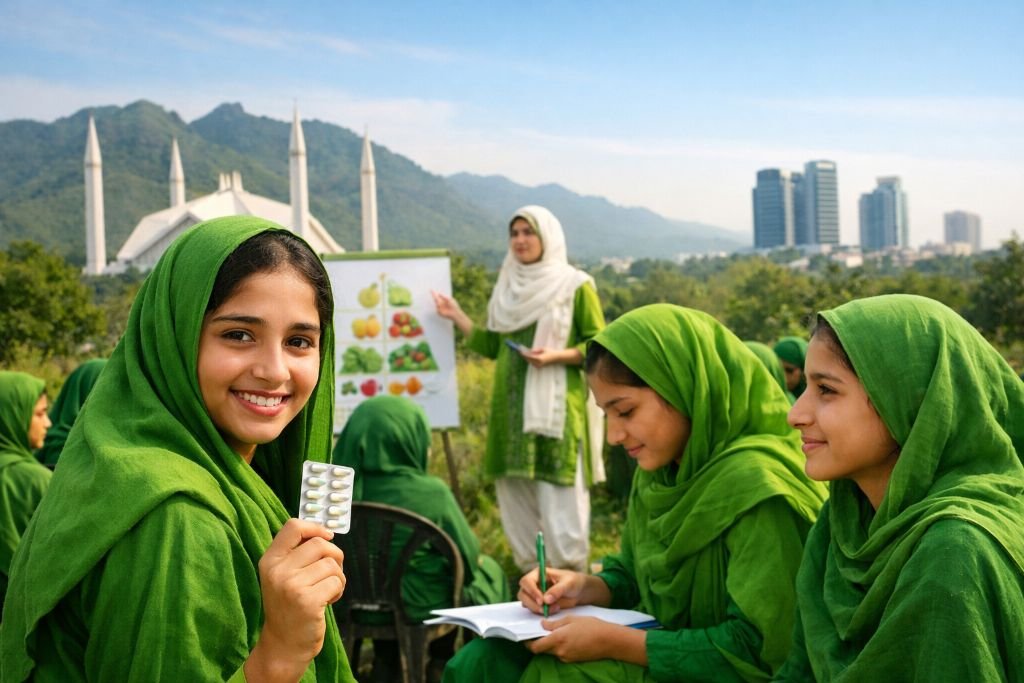

ISLAMABAD, April 08 (ABC): More than 360,000 adolescent girls have benefited from a dedicated health and nutrition initiative under the Social Protection for Health and Climate Resilience project implemented by the Benazir Income Support Programme (BISP).
According to official documents available with Wealth Pakistan, the initiative, supported by the German Development Bank KfW, was implemented in six selected districts. It focused on improving the health and nutritional status of girls aged 13 to 19, particularly in vulnerable and climate-affected areas.
Under the programme, eligible participants received conditional cash transfers of up to Rs2,000 per quarter. The financial assistance was linked to compliance with key health conditions. These included regular intake of iron and folic acid supplements and participation in awareness sessions on nutrition and wellbeing.
The measures aimed to address widespread micronutrient deficiencies among adolescent girls. They also promoted healthier lifestyles through preventive care and improved awareness.
The initiative initially set a target to reach around 104,303 girls by mid-2025. However, it exceeded this target by a wide margin. A total of 361,459 beneficiaries have already been enrolled under the programme.
Out of the total beneficiaries, more than 124,000 were newly registered participants. This increase reflects the programme’s expansion and wider outreach in targeted districts.
The intervention was implemented with a total allocation of €2 million. It formed a key component of the broader Social Protection for Health and Climate Resilience project in Pakistan.
The project aims to integrate social protection measures with health and climate resilience strategies. It focuses on protecting vulnerable populations from the adverse effects of climate change.
By targeting adolescent girls at a critical stage of development, the initiative supports improved long-term health outcomes. These include better maternal health, reduced malnutrition, and stronger community resilience.
The programme highlights a growing policy focus on preventive healthcare and social protection. It also reflects efforts to strengthen human development indicators in climate-affected regions of the country.