



By Gulsameen Hassan
Iran’s confrontation with the United States and its allies is not a recent development triggered by the events of February 2026. Instead, it reflects a long historical trajectory shaped by foreign intervention, internal transformation, and strategic positioning. The current escalation must be understood within this broader context, where past policies and present realities intersect to define Iran’s posture toward the West.
Historical Roots of External Intervention
Iran’s struggle for sovereignty over its resources dates back to the early 20th century. In 1901, British investor William Knox D’Arcy secured extensive oil exploration rights from the Qajar monarchy. This concession marked the beginning of foreign dominance over Iran’s oil sector and limited the country’s economic autonomy for decades.
The situation changed significantly under Mohammad Mosaddegh, who nationalized the oil industry in 1951. His decision aimed to restore economic control to Iran, but it also provoked strong opposition from Britain and the United States. In 1953, a coup—widely attributed to Western intelligence agencies—removed Mosaddegh from power and reinstated the monarchy under Mohammad Reza Pahlavi.
During the subsequent decades, the Shah pursued rapid modernization and strengthened ties with Western powers. However, this approach alienated segments of Iranian society, particularly religious groups and those opposed to foreign influence.
The Islamic Revolution and Strategic Shift
The 1979 Islamic Revolution fundamentally transformed Iran’s political system. Led by Ruhollah Khomeini, the revolution replaced the monarchy with a theocratic state based on Islamic principles. This shift redefined Iran’s domestic and foreign policy orientation.
Since then, relations between Iran and the United States have remained strained. Disputes over Iran’s nuclear program, regional influence, and sanctions have sustained a cycle of confrontation. Agreements such as the Joint Comprehensive Plan of Action temporarily eased tensions, but the U.S. withdrawal in 2018 revived economic pressure on Tehran.
Geography as a Strategic Advantage
Iran’s resilience also stems from its geographic position. It lies at the crossroads of the Middle East, Central Asia, and South Asia, giving it regional connectivity and strategic depth.
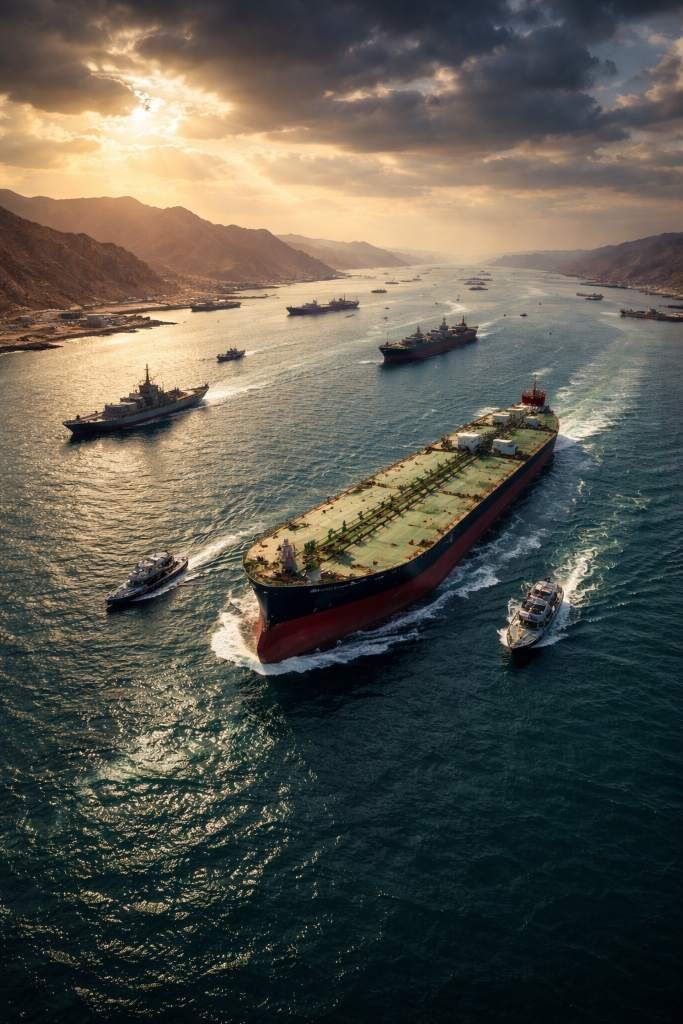
More importantly, Iran exerts influence over the Strait of Hormuz, a critical chokepoint for global energy supply. Approximately one-fifth of the world’s oil trade passes through this narrow waterway. Control over such a vital route allows Iran to exert significant pressure during periods of conflict.
The 2026 Conflict and Hormuz Crisis
The latest phase of confrontation began in late February 2026, when U.S. and Israeli forces conducted strikes on Iranian targets. Iran responded with missile and drone attacks, marking a rapid escalation.
Tehran also restricted movement in the Strait of Hormuz, disrupting global shipping routes. Tanker traffic declined sharply, and many vessels were forced to reroute or delay operations. Although a temporary ceasefire emerged in early April, it did not restore normalcy in the region.
Iran continues to monitor maritime activity closely and has signaled that any perceived military threat in the strait will prompt a response. This situation keeps global energy markets under pressure and raises concerns about prolonged instability.
Diplomatic Efforts and Their Limitations
Regional actors have attempted to de-escalate the crisis through diplomacy. Pakistan hosted talks between U.S. and Iranian representatives in Islamabad, aiming to facilitate dialogue and reduce tensions.
Despite these efforts, negotiations failed to produce a breakthrough. Both sides maintained firm positions, reflecting deep-rooted mistrust and conflicting strategic objectives. The collapse of these talks underscores the difficulty of resolving the crisis through conventional diplomatic channels.
Iran’s Strategy of Asymmetric Resistance
Iran has adopted a strategy that relies on asymmetry rather than direct confrontation. Instead of matching the military capabilities of the United States, it leverages alternative tools to maintain strategic balance.
These include:
- Control of key maritime routes
- Deployment of fast attack boats and naval mines
- Use of drones and missile systems
- Support for regional allies
This approach enables Iran to impose costs on stronger adversaries while avoiding large-scale conventional warfare. Even after sustained military pressure, Iran retains the ability to disrupt activity in the Gulf, reinforcing its deterrence posture.
Global Implications of the Crisis
The ongoing conflict has far-reaching global consequences. Disruptions in the Strait of Hormuz have tightened oil supply and increased price volatility. Shipping delays have added to logistical challenges for international trade.
Beyond economic effects, the crisis also heightens geopolitical risks. Any further escalation could draw additional regional and global actors into the conflict, increasing the likelihood of a broader confrontation.
Conclusion
Iran’s resilience against Western pressure is rooted in a combination of historical experience, strategic geography, and adaptive military doctrine. The events of 2026 highlight how these factors continue to shape the balance of power in the Middle East.
While diplomatic efforts remain ongoing, the situation remains fragile. The outcome of this crisis will depend not only on immediate negotiations but also on the willingness of all parties to address the deeper structural tensions that have defined their relationship for decades.
The author is a student at Law College, University of Turbat.