


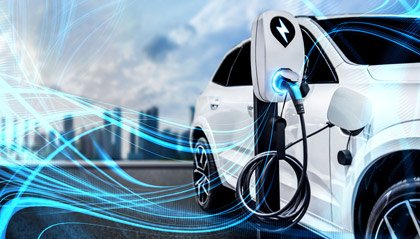
 Scheme, initiating the release of funds to provide subsidies on electric bikes, rickshaws, and loaders)
ISLAMABAD, Jan 21 (ABC): The federal government has formally launched the Prime Minister’s Special Electric Vehicle (EV) Scheme, initiating the release of funds to provide subsidies on electric bikes, rickshaws, and loaders as part of efforts to promote affordable and environmentally friendly transport in Pakistan.
With the start of subsidy disbursements to approved applicants, the scheme has entered its implementation phase, marking the government’s first practical step toward encouraging large-scale adoption of electric vehicles across the country.
Under the programme, subsidies amounting to around Rs9 billion will be provided during the current financial year, while cumulative allocations are projected to exceed Rs100 billion over the next five years, up to 2030.
According to the Engineering Development Board, subsidies in the first phase are being granted for 41,000 electric vehicles. These include 40,000 electric bikes and 1,000 electric rickshaws and loaders.
The scheme allows consumers to purchase electric vehicles at subsidised prices. For instance, an electric bike costing around Rs250,000 will be eligible for a government subsidy of up to Rs80,000.
Officials said the subsidy is being offered through both bank leasing and cash purchase mechanisms to ensure wider accessibility. Electric bikes and rickshaws are being provided on easy installment plans to reduce the financial burden on buyers.
In the first phase, subsidy amounts are being transferred directly to applicants’ accounts through the State Bank of Pakistan. The Engineering Development Board confirmed that Rs3.5 billion has already been released to commercial banks under the scheme.
In the second phase, the government plans to extend subsidies to more than 78,000 additional electric vehicles, which officials say will significantly increase the number of electric bikes, rickshaws, and loaders operating on roads across Pakistan.
The initiative is part of the government’s broader strategy to promote sustainable and cost-effective transport, reduce reliance on fuel-powered vehicles, and lower carbon emissions. Authorities believe the scheme will also help stimulate local manufacturing and create new opportunities in Pakistan’s automotive and energy sectors.