



By Mannan Samad
The world is moving steadily towards a multilateral international order. Global power is no longer centred on a single country or region. Instead, influence now spreads across multiple states and groupings. As a result, alliances and coalitions have become essential for global coordination and survival.
Today, leagues, partnerships, and informal groups shape international politics. This trend reflects the rise of a plural and multipolar world system.
The birth of BRICS
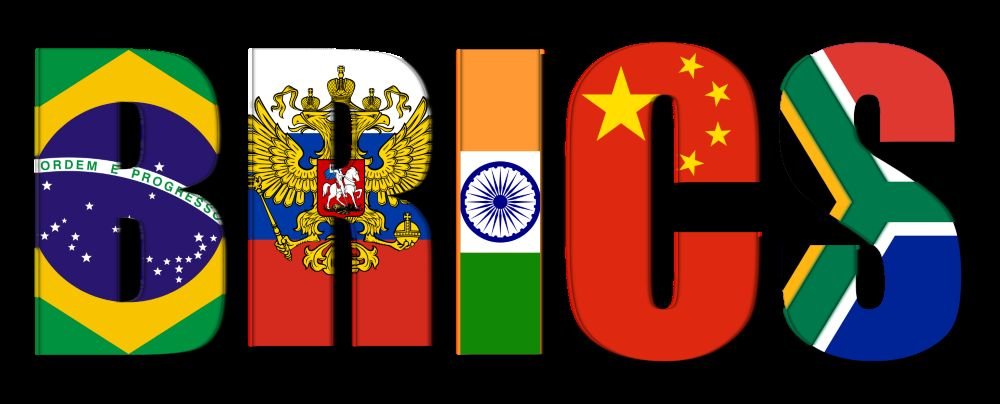
One clear example of this shift is BRICS. The group includes Brazil, Russia, India, China, and South Africa. Economist Jim O’Neill first introduced the idea of BRIC in 2001 to describe rising economies. The group formally emerged in 2009 in Russia. Later, South Africa joined in 2010, turning BRIC into BRICS.
Since then, the bloc has served as a platform for cooperation among major emerging economies.
Growing influence and expansion
Over time, BRICS has expanded in both size and influence. In January 2024, Egypt, Ethiopia, Iran, and the United Arab Emirates joined the bloc. Following the BRICS summit in Kazan in October 2024, more than 40 countries showed interest in membership.
More recently, Malaysia became a full member. This expansion highlights BRICS’ growing appeal and its ambition to shape a new global order.
BRICS versus Western dominance
BRICS increasingly positions itself as an alternative to Western-led groups such as the G7. While the G7 promotes a profit-driven liberal order, BRICS stresses collective growth and cooperation. As a result, many Global South countries see BRICS as a more inclusive platform.
De-dollarisation and economic autonomy
Another key goal of BRICS is reducing reliance on the US dollar. Member states argue that dollar dominance allows political pressure through sanctions. Therefore, BRICS has discussed alternative payment systems and trade currencies. However, analysts agree that the dollar will remain dominant due to its stability.
Internal challenges within BRICS
Despite its growth, BRICS faces internal divisions. Political rivalry, border disputes, and regional tensions weaken unity. Differences between China, India, and Russia raise doubts about long-term cohesion.
Looking ahead
BRICS reflects a changing world. However, cooperation remains more effective than confrontation. Global challenges require dialogue, trust, and shared leadership.
Only through collaboration can a stable and sustainable future be secured.
The writer is a lawyer based in Quetta, Balochistan. His thematic interest revolves around refugees, gender equality, climate change, disinformation, and global affairs. He can be reached at mannansaamad@gmail.com.